This article explains how to explore Guizhou's scattered ancient towns by chartered car, covering transport challenges, route planning, and why private transfers make travel smoother.
A practical guide to Guizhou's ancient towns based on local expertise and travel-planning experience in Southwest China. It explains why chartered cars work best here, with practical tips from experienced guides on distances, limited public transport, and linking towns, villages, and scenic areas efficiently.
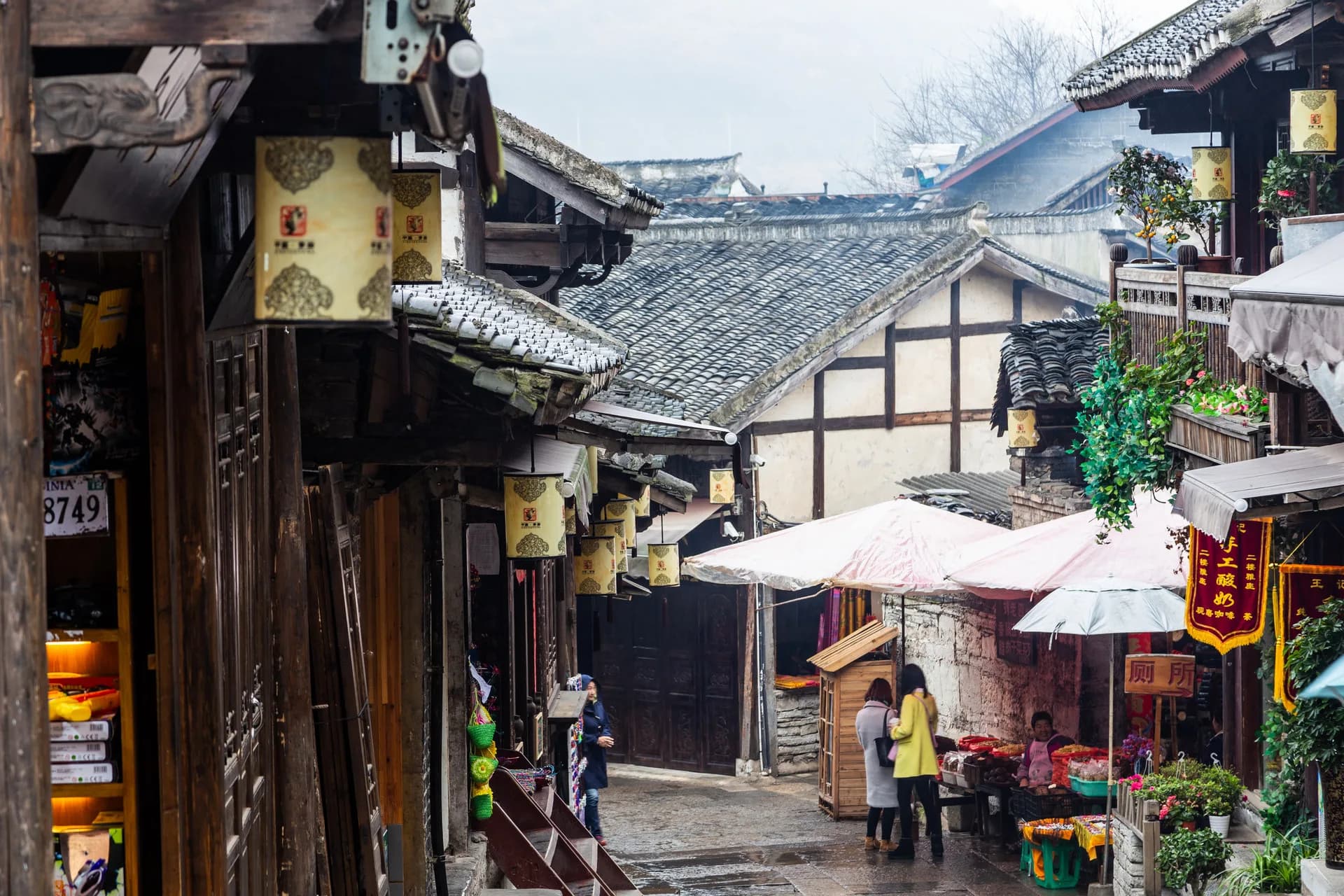
Guizhou's ancient towns are quite different from other popular ancient towns in China. They are nestled among mountains, valleys, terraced fields, Miao villages, Dong villages, and the lives of ethnic minorities. Here, travelers can see a more authentic and three-dimensional Southwest China: stilted houses, covered bridges, drum towers, stone-paved streets, riverside night views, Miao silver ornaments, Dong folk songs, Tunpu culture, and mountain village life.
If the ancient towns of Jiangnan are suitable for admiring the water towns and small bridges, and the ancient cities of Shaanxi are suitable for exploring the history of emperors, then the ancient towns of Guizhou are more suitable for experiencing the charm of mountain villages, ethnic culture, hidden ancient towns, and a slow-paced tour of Southwest China.
Why are ancient towns in Guizhou suitable for chartered car tours?
Guizhou's ancient towns are not concentrated like those in the water towns of southern China. They are often scattered in mountainous areas, river valleys, ethnic minority regions, or on the outskirts of old towns, with considerable distances between attractions and limited public transportation. For tourists, the main challenge lies in:
The cities are far apart.
There's a distance between the high-speed rail station and the ancient town.
Public transportation is unreliable.
Some ancient towns are best explored in conjunction with villages, terraced fields, and canyons.
English information is scarce, and finding transportation on-site may not be convenient.
Traveling with luggage across cities is even more troublesome.
Therefore, the value of hiring a car in Guizhou's ancient towns lies not in "luxury," but in connecting the scattered ancient towns, villages, and scenic spots into a smoother travel route. This reduces your travel time and enhances your travel comfort.
1. Qingyan Ancient Town: The most easily accessible ancient town in Guizhou near Guiyang
Qingyan Ancient Town is the first stop for many tourists visiting ancient towns in Guizhou. It's not far from Guiyang city and is suitable for a half-day or full-day trip. Compared to the water towns of Jiangnan, Qingyan has a more rugged character: stone walls, flagstone streets, city gates, old courtyards, and a snack street form its main memorable features.

What can you do?
Walk along the old stone-paved streets (the "back streets" were a filming location for the movie "Looking for a Gun," the dappled sunlight on the bluestone pavement is incredibly photogenic).
See the ancient city walls and gates (Dingguang Gate is the main gate, offering panoramic views of the ancient town).
Eat Guizhou snacks (Zhuangyuan Trotters/Braised Pig's Feet, Rice Cake Porridge, Tofu Balls).
See the temples and old buildings.
Take photos of the ancient town's streets and alleys.
How to make the most of your trip?
Qingyan is best enjoyed at a relaxed pace; you don't need to plan too much. It's recommended to arrive between 9:30 and 10:00 AM to avoid peak tour times.
Recommended Route: Guiyang City → Qingyan Ancient Town → Huaxi / Tianhetan → Guiyang City
Practical Information
Location: Qingyan Town, Huaxi District, Guiyang City, Guizhou Province
Opening Hours: The ancient town is open 24 hours a day; smaller attractions inside are open until approximately 5:00 PM.
Admission: Free entry to the ancient town streets; first entrance fee 10 yuan, package ticket 60 yuan (includes all paid attractions inside); free admission after 5:30 PM or 5:40 PM.
Why is hiring a car suitable?
While hiring a car isn't strictly necessary to reach Qingyan, it's more convenient for tourists staying in hotels in Guiyang city, traveling with elderly people or children, or planning a combined tour of Qingyan with Huaxi, the park, and dinner. It reduces the need for last-minute taxi rides and transfers, making a half-day trip to the ancient town much easier.
2.Zhenyuan Ancient Town: The best ancient town in Guizhou to stay overnight amidst mountains and rivers
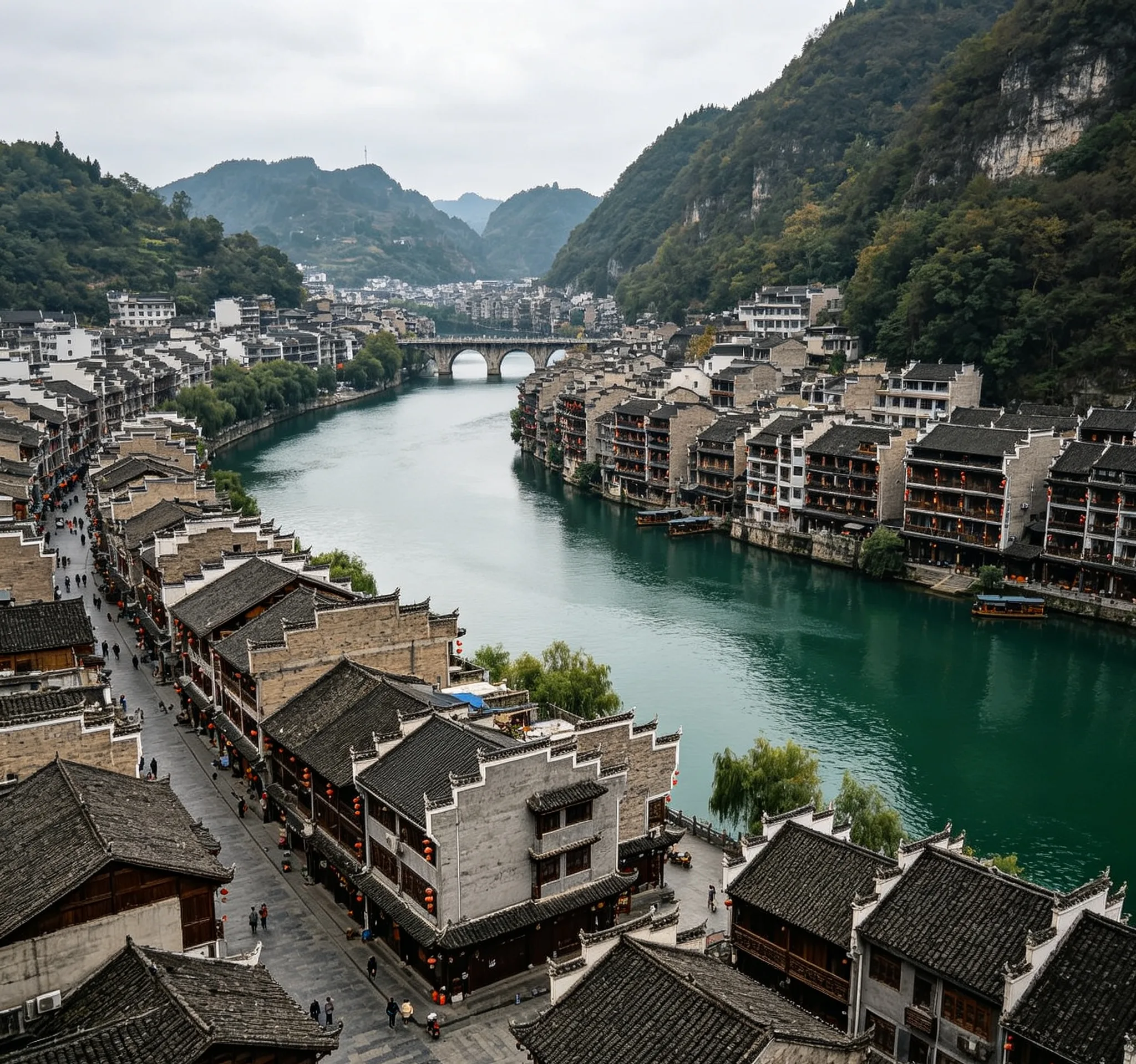
Zhenyuan Ancient Town is one of the most picturesque ancient towns in Guizhou. Built along the Wuyang River, its mountains, river, bridges, old streets, and lights create a distinctive southwestern landscape atmosphere. Compared to Qingyan, Zhenyuan is more suitable for an overnight stay, as its night views and morning views are both worth seeing.
What can you do?
Take a walk along the Wuyang River
Enjoy the night view of the ancient city
Explore the old streets and cobblestone paths
Visit the Qinglong Cave ancient architectural complex
Take a boat trip or enjoy the river valley scenery
Experience the atmosphere of an ancient mountain city in Guizhou
How to make the most of your visit?
Zhenyuan isn't a place for a rushed visit; it's recommended to stay at least one night, as its nighttime scenery has a much more atmospheric feel than its daytime views. A classic Zhenyuan experience is to stroll along Zhusheng Bridge in the evening and watch the lights on both banks of the Wuyang River reflected in the water.
Recommended itinerary: Arrive in the afternoon → Explore the old streets of the ancient city → View the Wuyang River in the evening → Enjoy the night view → Depart the next day
Practical Information
Location: Zhenyuan County, Qiandongnan Miao and Dong Autonomous Prefecture, Guizhou Province
Admission: The ancient town itself is free to enter.
Accommodation: It is recommended to stay within the ancient town or along the Wuyang River; river view rooms offer the best experience.
Why is hiring a car suitable?
It takes about 2.5 hours to travel from Guiyang. If tourists are carrying luggage, want to stay overnight, or want to combine Zhenyuan with Xijiang Miao Village, Kaili, and Xiasi Ancient Town, hiring a car can reduce the pressure of connecting with high-speed rail, taxis, and hotel transfers.
3.Zhaoxing Dong Village: More like a "living ancient village" than an ordinary ancient town
Zhaoxing Dong Village is one of the most recognizable ethnic minority villages in Guizhou. It features drum towers, covered bridges, wooden houses, Dong culture, and valley scenery. For tourists, it offers a more authentic Guizhou experience than typical ancient towns. It has a lower level of commercialization and retains a strong local atmosphere.

What can you do?
See the Dong drum tower
Walk across the covered bridge
See the wooden houses and villages
Experience Dong folk song and dance culture
Take photos of the valley and village scenery
Visit the Tang'an Rice Terraces along the way
Recommended itinerary: Arrive in Zhaoxing in the afternoon → Explore the village → Enjoy the night view in the evening → Visit Tang'an Rice Terraces the next day
Practical Information
Location: Liping County, Qiandongnan Miao and Dong Autonomous Prefecture, Guizhou Province
Ticket Price: 80 RMB/person, valid for 3 days, multiple entries allowed
Transportation within the Village: The village features cobblestone paths perfect for leisurely strolls; a free shuttle bus is available approximately every 15 minutes.
It's not recommended to hire a car to travel from Guiyang, as the journey takes approximately 4 hours. It's better to arrive at your destination and then hire a car to explore.
4.Xijiang Miao Village: A classic choice for first-time visitors to Guizhou's Miao villages
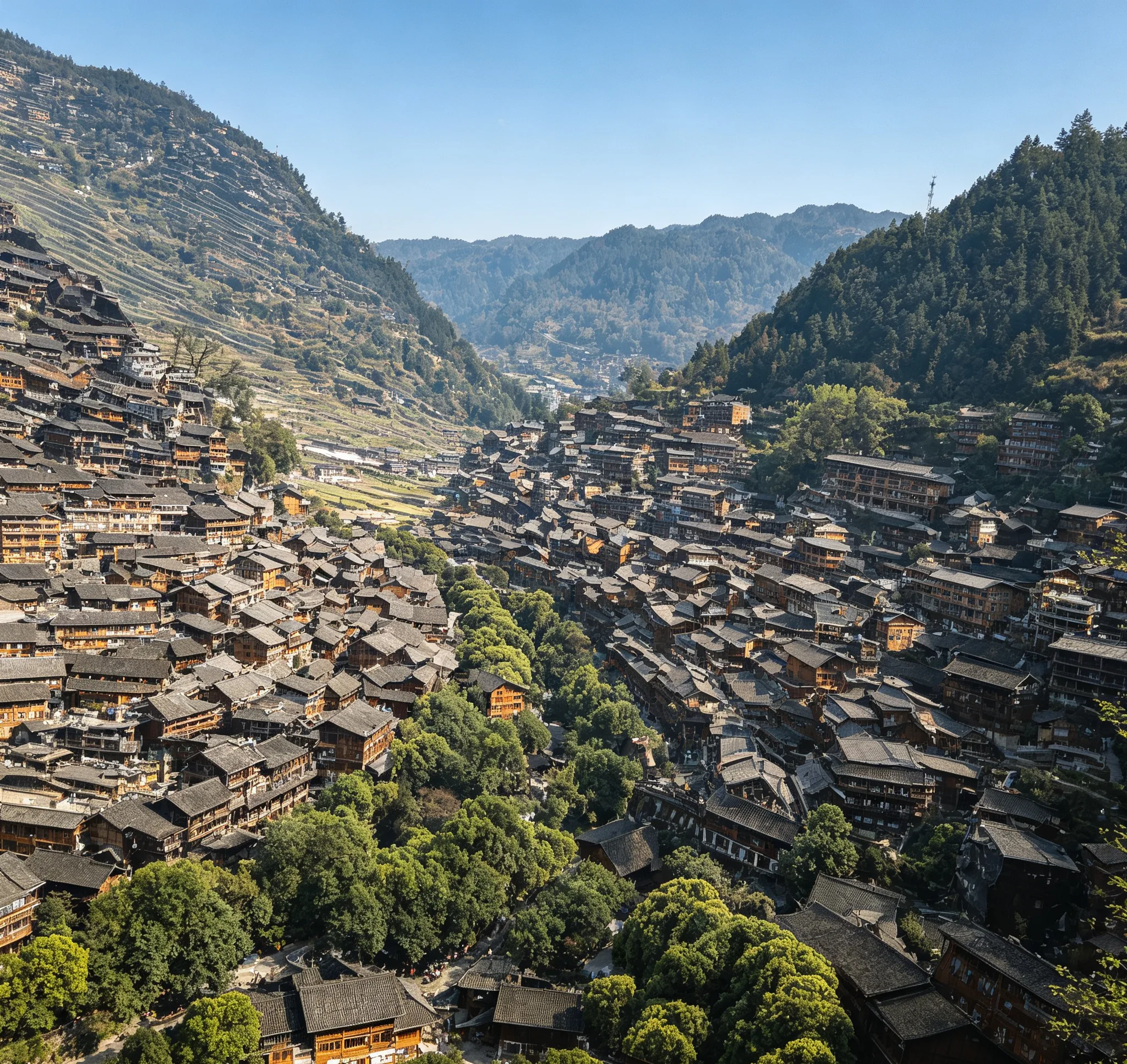
Xijiang Miao Village is one of the most famous Miao villages in Guizhou and a gateway for many tourists to learn about Miao culture for the first time. It is the largest Miao village in the world, consisting of more than ten natural villages built along the mountainside. However, it is also quite commercialized.
What can you do?
Enjoy panoramic views of the Miao village
Take photos of the stilted houses at night
Explore the Miao ethnic street
Watch performances or try on traditional clothing for photos
Learn about Miao culture
Recommended Itinerary: Kaili/Guiyang → Xijiang Miao Village → Overnight stay → Kaili/Zhenyuan/Zhaoxing
Practical Information
Location: Xijiang Town, Leishan County, Qiandongnan Miao and Dong Autonomous Prefecture, Guizhou Province
Opening Hours: 07:00–01:00 (next day)
Ticket Price: 90 RMB + 20 RMB for sightseeing bus, valid for 3 days
Accommodation: We recommend staying in a stilted house guesthouse near the viewing platform or halfway up the mountain. Opening the window reveals rows of wooden houses and distant views.
Why is hiring a car suitable?
Xijiang is located in the mountainous area of southeastern Guizhou and is often combined with Kaili, Xiasi Ancient Town, and Zhenyuan Ancient City. Hiring a car can reduce transfers in the mountains, making it especially suitable for tourists with luggage, staying overnight, wanting to see the night view, and planning to travel to other places the next day.
5. Wujiang Village: A "Jiangnan-style ink painting" nestled amidst the mountains and rivers of northern Guizhou.
Wujiang Village, built along the Wujiang River, is a traditional water town in northern Guizhou. It blends the folk cultures of the Gelao and Miao ethnic groups, offering a tranquiler atmosphere than Fenghuang Ancient Town and a more rustic charm than Wuzhen.

What can you do?
Enjoy the scenery of mountains, rivers, and ancient villages during the day, and admire the dreamlike night view (best viewed when the lights come on at 7:30 PM).
Experience intangible cultural heritage handicrafts: tie-dyeing, floral paper making, bamboo weaving, etc. (30-50 RMB/person)
Watch intangible cultural heritage performances: bamboo rafting, water jetpack acrobatics, drone formation, iron flower fireworks, etc.
Night cruise on a traditional rowing boat (highly recommended).
Participate in a bonfire party and release river lanterns for blessings.
How to best enjoy Wujiang Village?
The most classic way to experience Wujiang Village is to enter in the afternoon, allowing you to experience both daytime and nighttime scenery. During the day, it's fresh and rustic, while at night, with the lights on, it transforms into a completely different atmosphere.
Recommended Itinerary: Afternoon entry → Stroll through the ancient village streets and alleys → Watch intangible cultural heritage performances → Wait for the lights to come on in the evening → Take a night cruise on a traditional rowboat → Water dance show → Stay overnight in the village → Watch the morning mist the next morning → Leisurely return home
Useful Information
Location: Wujiangzhai International Tourist Resort, Shangji Town, Bozhou District, Zunyi City, Guizhou Province
Opening Hours: 09:00–22:30
Ticket Price: Approximately 120 RMB for a full-day ticket
Why is hiring a car suitable?
Wujiangzhai is about a 1-hour drive from Zunyi city. If tourists are traveling from Guiyang (1.5-hour drive) or want to combine Wujiangzhai with other sites in northern Guizhou such as the Zunyi Conference Site and Maotai Town, hiring a car can reduce transfers. It is especially suitable for tourists who want to stay overnight to see the night view and then continue their journey the next day.
6. Ancient Yao Villages: Exploring "Living Fossils of Primitive Society"
This is the settlement of the White-Trouser Yao people (named for the white trousers worn by the men). Unlike many commercialized villages, the villagers of this ancient Yao village truly live here—you can see them weaving, washing clothes, herding cattle, and children running around; it's a very pristine Yao village.
What can you do?
Experience the culture of the White-Trouser Yao people: Enjoy the welcoming wine ceremony, long table banquet, and Yao bath.
Watch intangible cultural heritage performances: Monkey drum dance, bamboo pole dance, with the whole village participating.
Participate in the evening bonfire party (starts at 8 pm, highly interactive).
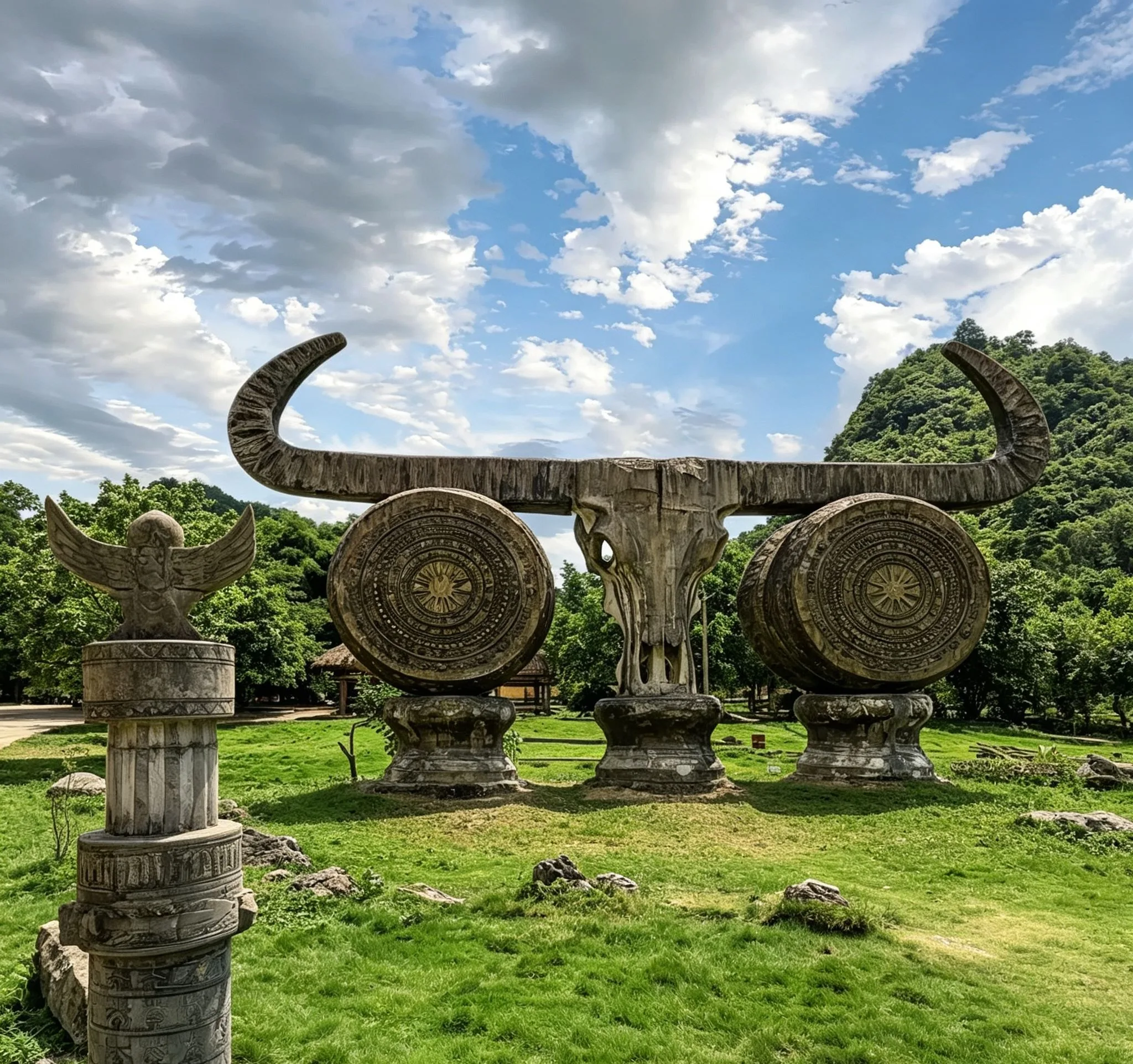
Explore the village: Village history museum, Yao medicine workshop, bull-head drum, and granary complex.
Experience intangible cultural heritage handicrafts: Bamboo weaving and tie-dyeing.
Savor local delicacies such as Yao mountain chicken and free-range chicken with wild mushrooms.
How to best enjoy the experience?
The most classic combination for visiting Yaoshan Ancient Village is to explore Xiaoqikong Scenic Area during the day and enter the village in the evening—it's only a 10-minute drive from the east gate of Xiaoqikong to Yaoshan Ancient Village.
Recommended Itinerary: Daytime: Libo Xiaoqikong Scenic Area → Evening: Yaoshan Ancient Village → Explore the village → Long table banquet → Performance + bonfire party → Overnight stay in the village → Depart the next day after experiencing a Yao bath.
Useful Information
Location: Lapian Village, Yaoshan Yao Township, Libo County, Qiannan Buyi and Miao Autonomous Prefecture, Guizhou Province
Opening Hours: 08:30–20:00
Ticket Price: Approximately 50–100 RMB per person (ticket + sightseeing bus)
Why is hiring a car suitable?
Yaoshan Ancient Village is about 35 kilometers from Libo County, but only about 5 kilometers from Xiaoqikong Scenic Area. If tourists come from Xiaoqikong, a taxi ride takes only 15 minutes. Hiring a car easily allows for a combination of "seeing the water at Xiaoqikong during the day + experiencing the culture of Yaoshan Ancient Village in the evening," making it especially suitable for tourists who want to stay in Libo for 2-3 days.
7. Huanggang Dong Village: A "Best Tourist Village" with an 800-year history
Huanggang Dong Village is located deep in the mountains of Liping County, southeastern Guizhou Province, and is one of the oldest Dong villages in Liping. Founded in the Song Dynasty, it has a history of over 800 years and is a p
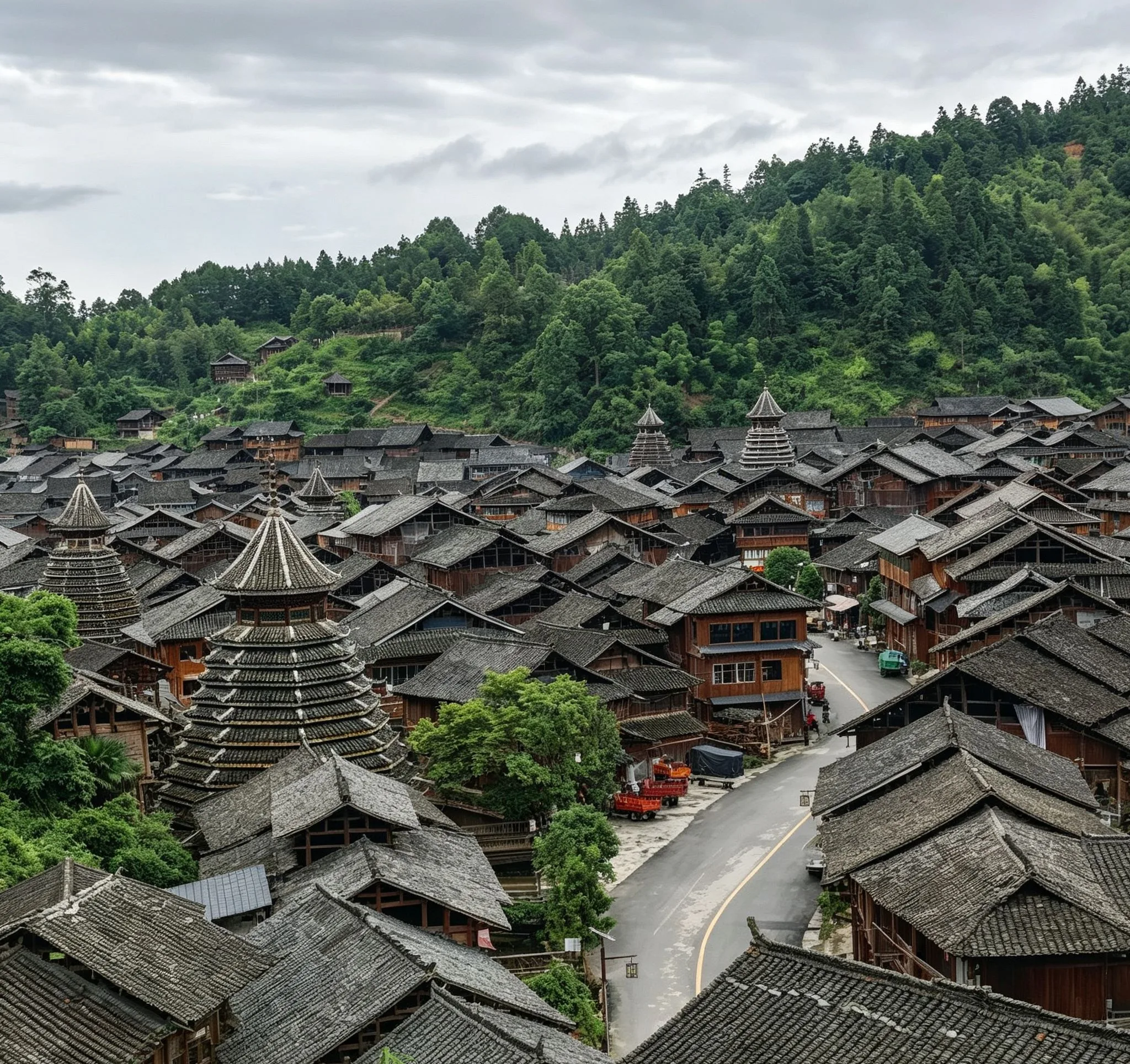
ure Dong village with more than 1,800 inhabitants. Because few outsiders have ventured there, it still maintains its traditional way of life from over a century ago.
What can you do?
Visit the five century-old drum towers—each adorned with wooden plaques representing the 24 solar terms, living fossils of Dong culture.
Climb the village entrance viewing platform for a panoramic view of the entire village.
See the 374 all-wood stilted houses—all built using traditional Dong mortise and tenon joinery, without a single nail.
Admire the rice drying racks and floating rice granaries built along the stream—these granaries, built on water, provide fire protection, insect and rodent control, showcasing the wisdom of the Dong ancestors.
Experience the male Dong folk song—Huanggang is the birthplace of this tradition.
If you're lucky, visit during festivals: the "Calling to Heaven Festival" (the most important traditional festival) on the 15th day of the sixth lunar month or the "Carrying the Official" folk activity during the Spring Festival.
Recommended itinerary: Congjiang High-Speed Railway Station / Zhaoxing Dong Village → Huanggang Dong Village → Stay overnight → Watch the morning smoke and mist → Explore the drum tower complex and villages → Listen to Dong folk songs → Depart
Useful Information
Location: Huanggang Village, Shuangjiang Town, Liping County, Qiandongnan Miao and Dong Autonomous Prefecture, Guizhou Province
Opening Hours: Open 24 hours a day
Admission: Free
Why is hiring a car suitable?
Public transportation to Huanggang Dong Village is limited (only two buses per day), and it's located deep in the mountains. Hiring a car allows for flexible arrangements, departing from Congjiang High-Speed Railway Station or Zhaoxing Dong Village, connecting Huanggang with Zhaoxing Dong Village, Tang'an Terraces, and other destinations in southeastern Guizhou.
How to choose a distinctive ancient town in Guizhou?
First time visiting Guizhou
Recommended: Qingyan Ancient Town + Xijiang Miao Village
Qingyan is suitable for a short trip from Guiyang, while Xijiang is suitable for first-time visitors to experience the scale of a Miao village and its night view.
For those who love scenic mountains, ancient towns, and night views
Recommendation: Zhenyuan Ancient Town + Wujiang Village
Zhenyuan boasts the scenic Wuyang River and its night views, while Wujiang Village offers the romantic lights of a water town in northern Guizhou. Although their styles differ, both are suitable for an overnight stay to enjoy the night views.
For those who enjoy ethnic minority cultures
Recommended: Zhaoxing Dong Village + Xijiang Miao Village + Yaoshan Ancient Village
Zhaoxing represents Dong culture, Xijiang represents Miao villages, and Yaoshan Ancient Village showcases the unique culture of the White-Trouser Yao people—the three are distinctly different and can be combined into an in-depth ethnic cultural tour.
Seeking authenticity and avoiding commercialization
Recommended: Huanggang Dong Village
Huanggang is a pure Dong village with an 800-year history and virtually no commercial development.
Best time to visit Guizhou
Best time to visit overall:
Spring and Autumn (March–May and September–November) offer comfortable temperatures and the most beautiful scenery.
Summer (June–August) is cool in Wujiang Village and Yaoshan Ancient Village (around 23°C), ideal for escaping the heat, but it coincides with peak tourist season in China, resulting in crowds and high prices.
Winter (December–February) sees fewer tourists and cheaper accommodations, but the weather is colder. Visitors can experience the Dong and Miao New Year celebrations in Zhaoxing and Xijiang.
Zhenyuan Ancient Town: Best time to visit is spring and autumn, with the evening and night views being the most captivating. A 2-day, 1-night stay is recommended to leisurely explore the old streets and enjoy the night view of the Wuyang River.
Zhaoxing Dong Village: Best time to visit is spring and autumn, with the mornings and evenings being the highlights. A 1-2 day stay is recommended, and you can also visit the Tang'an Rice Terraces along the way.
Xijiang Miao Village: Best time to visit is from March to November. The evening view from the observation deck is the most breathtaking, with thousands of lights illuminated. A 1-2 day stay is recommended.
Wujiang Village: Best time to visit is spring and autumn, and summer is also cool. The best time to enter the park is after 3 PM (a day ticket costs 80 yuan and allows you to stay until 9 PM to watch the light show and drone performance). A 1-night stay is highly recommended.
Yaoshan Ancient Village: Best time to visit is spring and autumn. The best way to experience it is to visit Libo Xiaoqikong Scenic Area during the day, enter the village around 6 PM, enjoy a long table banquet and a bonfire party, and stay overnight before leaving the next day.
Huanggang Dong Village: Best time to visit is spring and autumn. The most beautiful time to visit the viewing platform is between 5 and 7 a.m. to see the smoke and mist rising from the chimneys. It's recommended to stay for 1-2 days to experience the authentic Dong ethnic lifestyle.
Qingyan Ancient Town: Available from March to October. The early morning hours (6-8 a.m.) are the best time for photography as there are fewer people and the light is ideal. Half a day is sufficient.
Your Guizhou Trip
If you are interested in Guizhou, please contact us and tell us your itinerary, dates, and interests. We can create a customized itinerary to meet your specific needs.
Classic Itinerary
Frequently Asked Questions
Why is a chartered car recommended for Guizhou's ancient towns?
Guizhou's ancient towns are spread across mountains, valleys, and ethnic minority areas rather than clustered in one place. A chartered car helps connect towns, villages, and scenic spots directly, reducing transfer time and avoiding unreliable local transport.
Are Guizhou's ancient towns easy to reach by public transportation?
Public transportation can be limited, especially for towns outside major cities or near villages and terraced areas. In many cases, the high-speed rail station is still a separate transfer away from the ancient town, which adds time and complexity.
What makes Guizhou's ancient towns different from other ancient towns in China?
Guizhou's ancient towns are closely tied to mountain landscapes and ethnic minority culture, including Miao and Dong communities. Travelers can see stilted houses, covered bridges, drum towers, stone-paved streets, riverside night scenes, and traditional village life.
Is Qingyan Ancient Town a good first stop in Guizhou?
Yes, Qingyan Ancient Town is presented as one of the easiest ancient towns to access in Guizhou, especially from Guiyang. It works well as a first stop because it is near the provincial capital and easier to fit into a broader route.
Who benefits most from hiring a car in Guizhou?
A car charter is especially useful for travelers visiting multiple towns, carrying luggage, or wanting to combine ancient towns with villages, terraced fields, and canyons. It is also helpful for international visitors because English information and on-the-ground transport support can be limited.
More to Read


Plan Your Trip
Let us design your perfect China journey
Our trip designers respond within 24 hours with a personalized itinerary and quote.