
When planning family travel, the choice of vehicle should be based not merely on the total number of people in your party, but on a comprehensive assessment of the number of passengers, the volume of luggage, and any specific requirements. Our goal is to match you with the ideal vehicle, ensuring that all passengers and belongings are accommodated comfortably with ample space. This guide—based on the vehicle options available on the RideCN platform—outlines the capacity and intended use for 4-seater, 7-seater, and 9-seater vehicles, and explains when you might need to "upgrade" to a larger model.
First, keep one principle in mind: total number of seats ≠ number of available seats.
In a "7-seater" vehicle, only 4–5 seats are typically used by passengers during an actual trip; the remaining space is needed for luggage, strollers, or extra legroom.The "number of passengers" reported to the platform should reflect the actual number of people occupying seats; luggage is counted separately. Therefore, the vehicle assigned for your trip will generally have more seats than the actual number of passengers.
A rough but handy rule of thumb is: number of passengers + 2 ≈ the number of comfortable seats you need.
However, this rule of thumb is superseded in two scenarios: when you have a large amount of bulky luggage, or when you are carrying items such as a stroller, wheelchair, or child safety seat. If either of these applies, simply move up one tier—do not choose an option that sits right on the threshold.
4-seater sedan
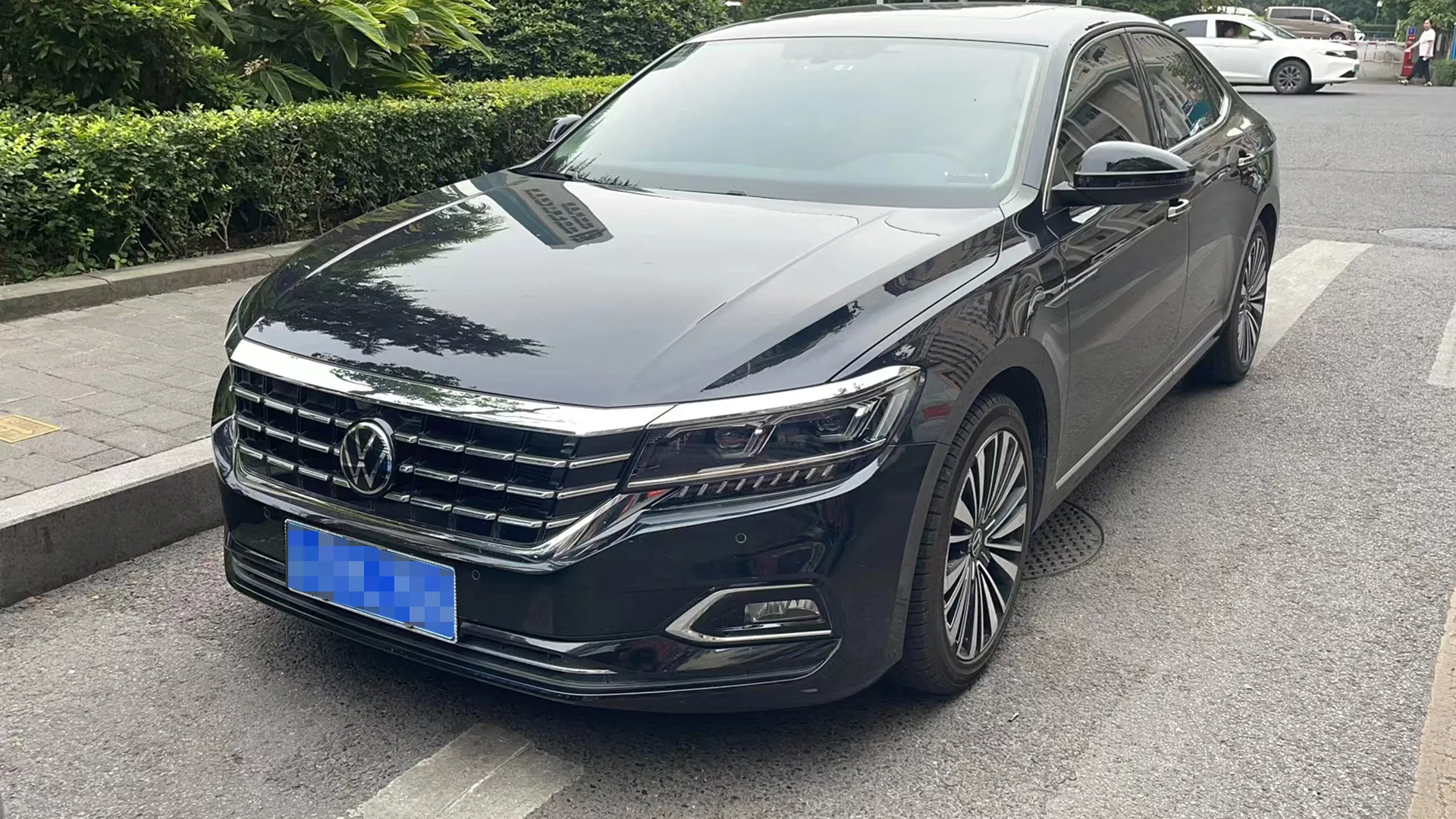
RideCN corresponds to: standard sedans and SUVs (e.g., Toyota Land Cruiser, etc., depending on the city and route).
Best suited for: 1–2 adults, with one piece of luggage (up to 24 inches) per person; ideal for airport transfers, point-to-point travel within the city, or same-day round trips with minimal baggage.
The practical boundaries of luggage:
The trunk can easily accommodate two 24-inch suitcases; any additional suitcases will have to be placed in the back seat or the front passenger seat.
Once you add items like a 28-inch large suitcase, a stroller, or the "standard travel setup"—consisting of one carry-on bag and one backpack per person—the available space in a four-seater car vanishes rapidly.
When you should not choose it:
For multi-day round trips, traveling with children or elderly parents, carrying more than two large suitcases, or any scenario where you might need to turn around to reach for items while inside the vehicle—a 4-seater car is designed for the sole purpose of efficiently getting people from point A to point B, rather than for providing a comfortable, long-duration stay inside the vehicle.
7-seater MPV
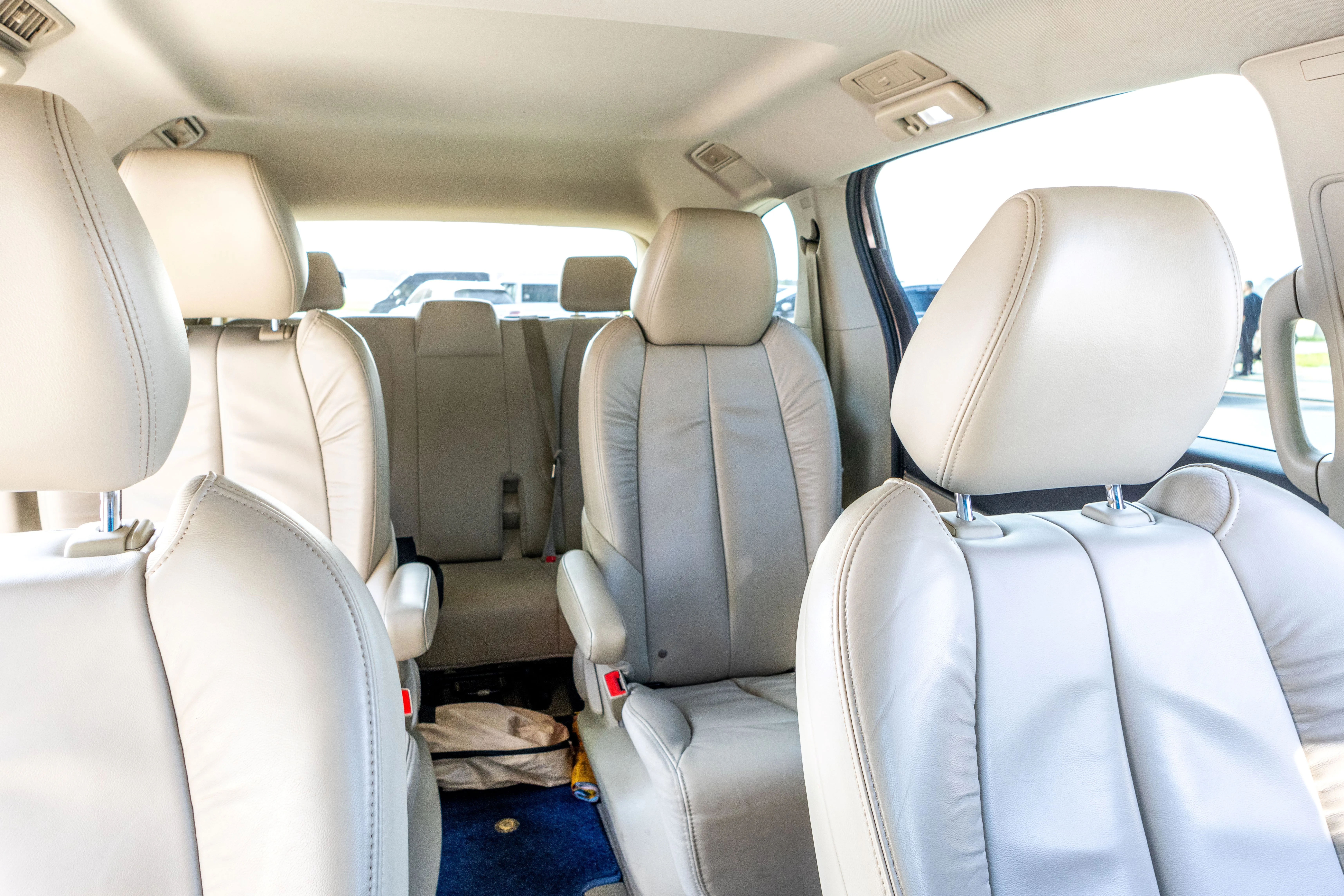
RideCN corresponds to: MPVs such as the Buick GL8
Best for: Families of 4–5 people; this is the most popular choice for family trips.
The core logic behind 7-seater vehicles:
For an MPV like the GL8, the most comfortable configuration is carrying 4–5 passengers, with the third-row seats folded down—either entirely or partially—to create a substantial amount of luggage space. When fully occupied with 7 passengers, the trunk remains usable, but it is only suitable for soft-sided bags, carry-on suitcases, or a folding stroller; if you need to accommodate seven 24-inch hard-shell suitcases, a 7-seater MPV is not the right solution.
Reference capacity: With all 7 seats occupied, the GL8’s trunk offers approximately 521 liters of space—enough to accommodate about 2–3 24-inch suitcases plus a stroller, or 9 20-inch carry-on suitcases. If you have many large suitcases, the available space will fill up very quickly.
When you shouldn't choose it:
If any of the following apply, look directly at 9-seater vehicles:
A group of 6 or more people, with each person carrying a piece of luggage 24 inches or larger;
A group of 4–5 people, but the luggage includes items such as 28-inch suitcases, a double stroller, or a wheelchair;
A need to accommodate adults in both the second and third rows for long-distance travel, without compromising on legroom.
9-seater business van
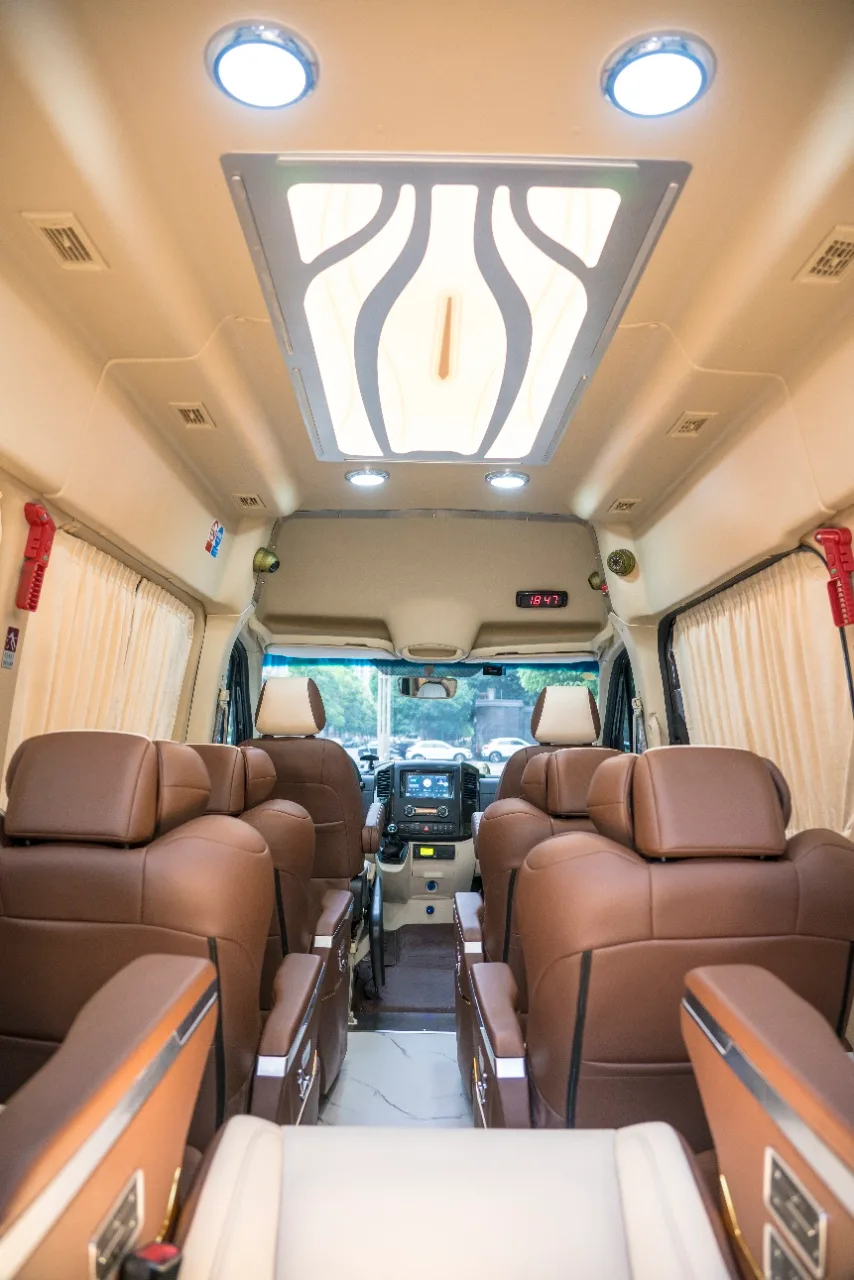
RideCN Option: 9-seater MPV / business van (e.g., long-wheelbase Mercedes-Benz V-Class, 9-seater Toyota Coaster, etc.—vehicle models vary by city and fleet availability).
Best for: Small groups of 6–8 people; or groups of 4–5 people who have a large amount of luggage, are traveling with strollers or wheelchairs, or are embarking on a multi-day, long-distance trip.
Why you should opt for a 9-seater even when not fully occupied:
Differences in spatial logic: 9-seater vehicles typically feature a dedicated luggage compartment or a deeper trunk, effectively separating the passenger area from the cargo space. A 9-seater Toyota Coaster can generally accommodate 6–8 24-inch suitcases, while the long-wheelbase Mercedes-Benz V-Class retains enough trunk space—even when fully occupied—to hold several large suitcases positioned upright.
Ease of entry and exit: The 9-seater features a taller body and wider aisles, allowing elderly passengers to reach the third row without having to climb past the front seats, while children have enough space to move around a bit inside the vehicle.
Long-distance comfort: Legroom, vibration damping, and visibility are generally superior to those of 7-seater MPVs, ensuring a comfortable ride even when traveling through suburban areas or across cities over the course of several consecutive days.
Quickly match based on scenarios
For a family of three with two 24-inch suitcases, traveling within the city or to nearby suburbs: a 7-seater MPV is ideal (with the third row folded down, there’s plenty of room for both the child and the luggage).
For 2–3 people traveling for business or with minimal luggage—moving between the airport, hotel, and meeting venues—a 4-seater sedan is sufficient for efficient, point-to-point transport.
When traveling with parents and a child (4 people total), including a folding stroller and three suitcases: opt for a 9-seater vehicle. While a 7-seater might technically fit everything, the daily hassle of folding and unfolding the stroller will quickly become tiresome.
For a group of 6–7 family members or friends, each with one piece of luggage: choose a 9-seater. A 7-seater might seem to fit 6 people perfectly, but there will be no space left once the luggage is loaded.
If you are unsure which vehicle type to choose, you can contact RideCN. Simply let our customer service team know the number of passengers and the amount of luggage you have, and they will help you select the most suitable vehicle.
Things to Know When Booking on RideCN
RideCN’s price quotes are typically based on a standard 8-hour/100-kilometer package; additional costs—such as road tolls, overtime charges, and accommodation allowances for the driver (if traveling outside the local area)—are generally billed separately. Providing full details upfront—including your complete itinerary, number of passengers, amount of luggage, and the ages of any children—ensures that the vehicle recommended to you truly meets your needs and helps avoid unexpected extra charges later on. Choosing the right vehicle is the key to a truly worry-free chartered transport experience.
Some travel tips regarding private car hire:
What Is Included in a China Private Car Tour—and What Is Not?
Driver, Guide, or Both? Choosing the Right China Travel Service
Private Driver China Cost: 2026 Price Guide
Some recommended classic itineraries:
More to Read




Plan Your Trip
Let us design your perfect China journey
Our trip designers respond within 24 hours with a personalized itinerary and quote.