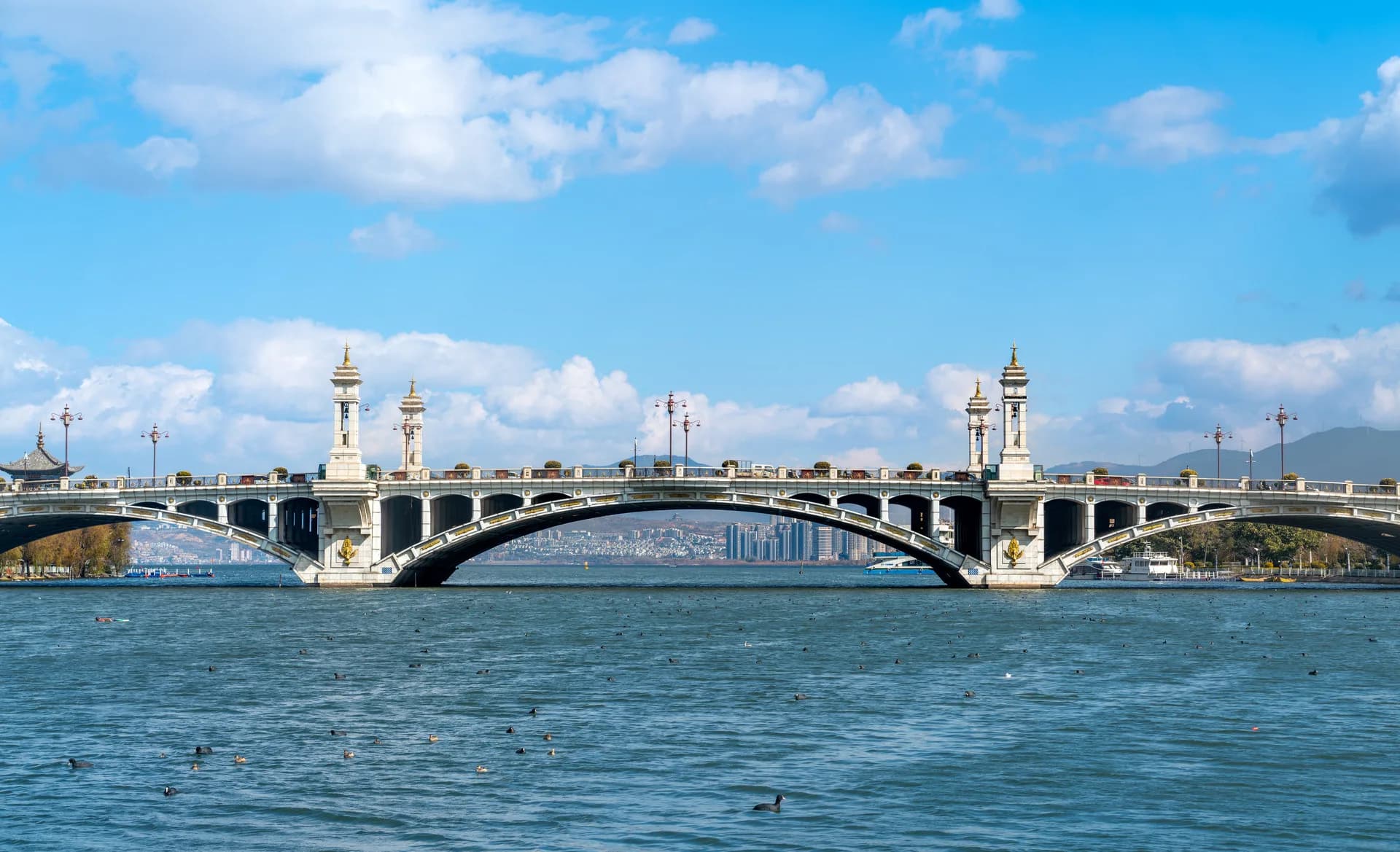
This article explains how to tour Erhai Lake by chartered car, comparing Dali’s west and east shore routes, who each route suits best, and when to combine both in one day.
A practical guide to touring Erhai Lake in Dali by chartered car, based on local expertise and route knowledge. It compares the west and east shore experiences, with practical tips from experienced guides on villages, lake views, pacing, and route choice for first-time visitors.
Erhai Lake is not just a lake suitable for "looking at the lake and taking pictures". What is really worth experiencing is the different Dali landscapes that are slowly connected along the lake shore - the reflection of Cangshan Mountain, Bai ethnic villages, rice fields, ancient towns, lakeside docks, tie-dye workshops, cafes, the East Bank Highway and the open lake view.
For first-time visitors to Dali, the most common questions when touring Erhai Lake are: Should I take the western or eastern route? What are the differences between the two routes? What can I do in a day? Is hiring a car necessary?
In short:
The West Lake route is better suited for culture, villages, Bai ethnic architecture, and a relaxed, slow-paced travel experience.
The East Lake route is better suited for lake views, highways, open vistas, photography, and sunsets.
If time permits, the two routes can be combined for a one-day loop around Erhai Lake. If time is limited, first-time visitors to Dali are advised to start with the West Lake route.
Haixi Line vs Haidong Line
West Lake Route: Bai ethnic villages, ancient towns, rice paddies, tie-dyeing, and the Cangshan Mountain and Erhai Lake all in one frame. Ideal for first-time visitors to Dali, families, cultural travel, and slow travel.
East Lake Route: Expansive lake views, lakeside road, Shuanglang, Xiaoputuo, and sunset views. Ideal for photographers, couples, small groups of friends, and anyone wanting to see lake views.
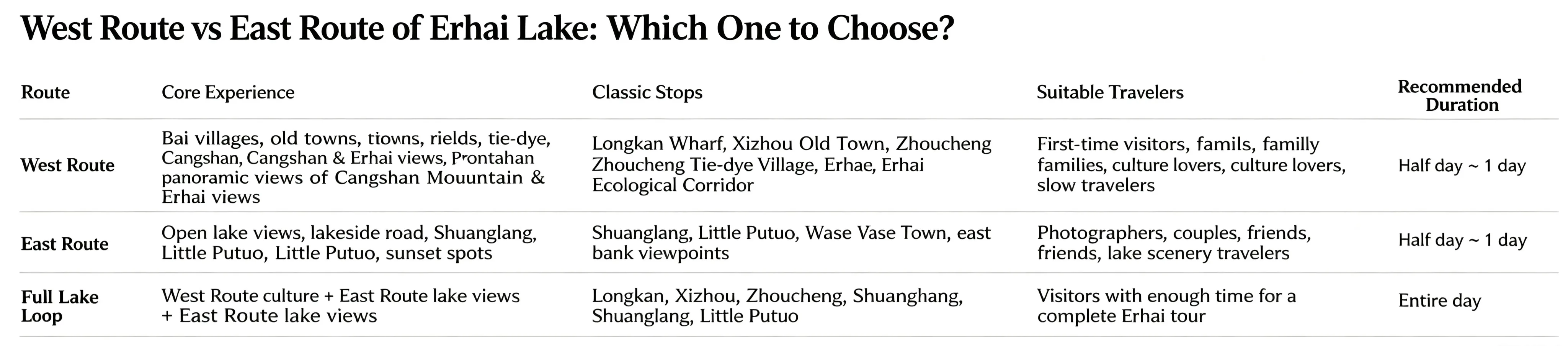
Haixi Route: The perfect cultural and leisurely travel route for first-time visitors to Dali.
The Haixi route, located on the west side of Erhai Lake and close to Dali Old Town and Cangshan Mountain, is the most recommended route for first-time visitors to Dali. The focus here is not on maximizing lake views, but rather on connecting Erhai Lake, Cangshan Mountain, Bai ethnic villages, ancient towns, rice paddies, and handicraft culture.
If tourists want to understand "why Dali is suitable for slow travel," the western coastal route offers more to offer than the eastern coastal route. It's not just about taking photos by the lake, but about seeing a more complete picture of local life.
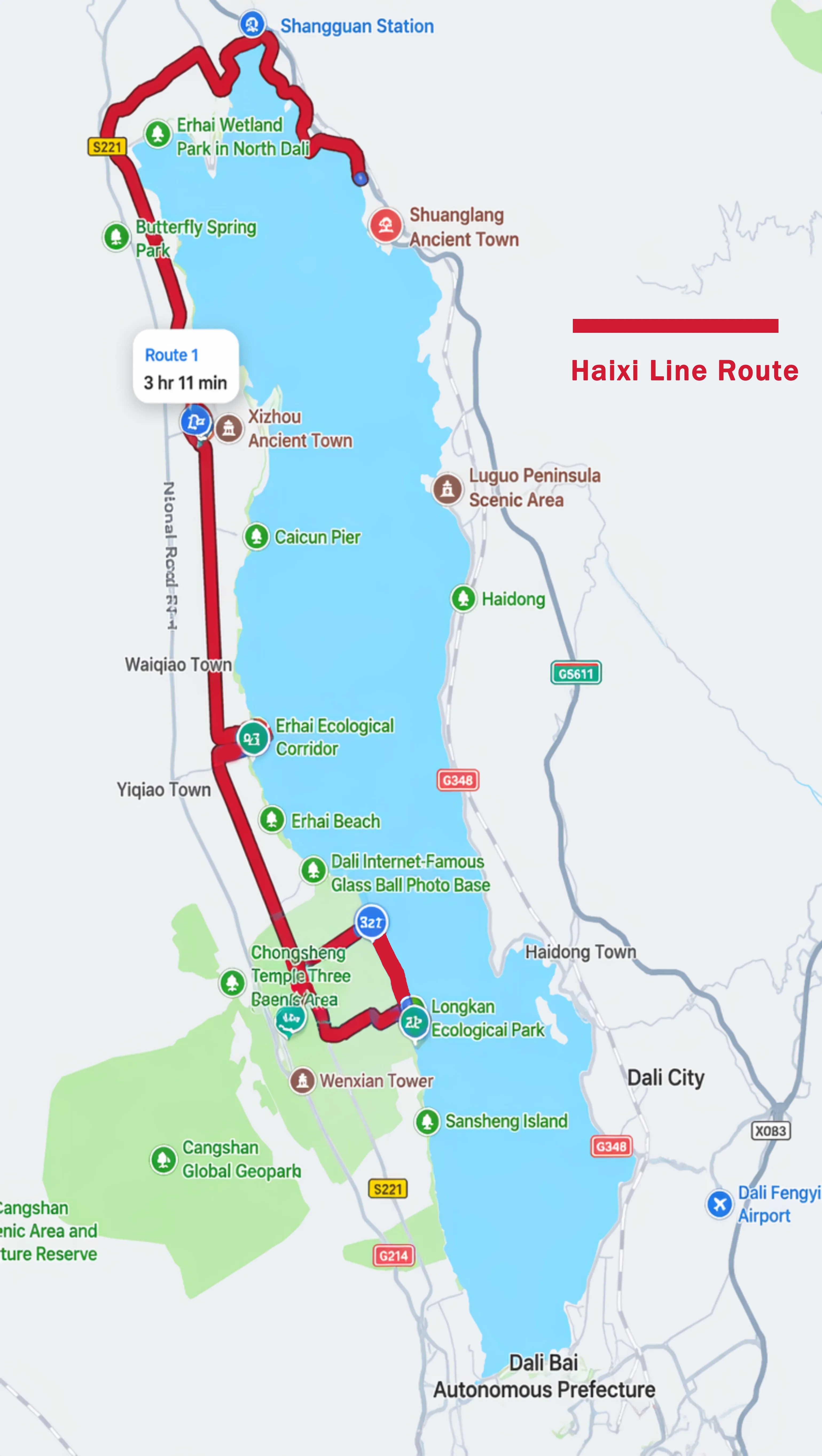
The Haixi Line offers the following experiences:
Erhai Lake at dawn
Cangshan Mountain and Erhai Lake in the same frame
Traditional Bai ethnic minority dwellings
Xizhou Ancient Town and rice paddies
Zhoucheng tie-dyeing experience
Strolling or cycling along the lakeside ecological corridor
Local snacks, cafes, and the slow pace of village life
Recommended Itinerary: Half-day to full-day tour of the Western Taiwan Straits Economic Zone
Route range: Dali Old Town → Caicun Village → Longkan Wharf → Panxi S-bend → Xizhou Ancient Town → Haishi Park → Shuanglang Ancient Town (partial section)
If you only have half a day, you can choose: Dali Old Town → Longkan Wharf → Xizhou Ancient Town → Return.
For a more enriching experience, you can add: Zhoucheng Tie-dye Village + a short bike ride along the Erhai Lake Ecological Corridor.
1. Saimura
Caicun Wharf is the closest wharf to Erhai Lake east of Dali Old Town, about two to three kilometers away. There is not much commercial noise here, only a wide view of Erhai Lake and a quiet lakeside.
How to play:
Enjoy a 270° unobstructed view of Erhai Lake and Cangshan Mountain from the Guanhai Pavilion.
Watch the sunrise in the morning—one of the best spots on the western shore of the lake.
Observe the moored boats and wetland reeds, and experience the atmosphere of a fishing village.
Recommended stay time: 30–45 minutes.
Suggestions for tourists: Caicun is less crowded than Longkan Pier and is more suitable for tourists who want a quiet experience. If you don’t want to go to crowded places, you can make this your first stop.
2. Lung Kan Wharf
Longkan Wharf is the best spot on the western shore of the Haihe River to watch the sunrise. The lake, redwood trees, boardwalk in the water, water birds, and the distant Cangshan Mountains create a very typical Dali scene. In autumn and winter, the redwoods change color, and their reflection in the water is especially beautiful.
What you can do:
Take a morning stroll along the lake and watch the sunrise.
Take photos of Cangshan Mountain and Erhai Lake together.
Observe the reflections on the lake and the water birds.
Take a leisurely walk near the ecological corridor.
Suggested stay: 30–60 minutes.
Advice for tourists: Avoid arriving at Lung Hom Pier at midday. The light is softer and there are fewer people in the early morning. For better photos, it's recommended to arrive before 7:00 AM.
3. Panxi S-bend
Panxi S-bend is the most famous cycling section on the Erhai Lake Ecological Corridor. The road stretches along the west bank of Erhai Lake, forming a beautiful S-shaped arc—on one side is the rippling Erhai Lake, and on the other side are Bai ethnic minority houses and pastoral scenery.
What you can do:
Rent a bicycle and ride along the lake.
Take photos of the S-shaped road with Erhai Lake and Cangshan Mountain in the background.
Have a coffee and relax at a roadside cafe.
Suggested stay: 30–45 minutes.
Advice for tourists: Panxi S-bend is one of the most popular photo spots in Dali, and there may be queues when it's crowded. If you want to avoid the crowds, try to go early. Also, rented cars cannot enter the ecological corridor; you need to park at the village entrance and then walk or rent a bicycle to enter.
4. Xizhou Ancient Town
Xizhou is the core of the Haixi Line. It is more authentic than Dali Ancient City—traditional Bai architecture, old streets, rice paddies, cafes, local snacks, and a more genuine village life.

What you can do:
See Bai ethnic minority houses and screen walls—the corner tower is a landmark.
Take a walk along the rice paddies (the scenery changes with the seasons—green rice, yellow rice, rapeseed flowers).
Eat Xizhou Baba—the most famous local snack, available in both sweet and savory varieties.
Experience Bai tie-dyeing.
Find a quiet teahouse or cafe to relax.
Suggested stay: 1.5–2 hours.
Advice for European and American tourists: Xizhou is not a place to stop for 20 minutes to take photos and leave. It deserves 1.5 to 2 hours to explore at a leisurely pace—first see the ancient town streets and Bai ethnic architecture, then go to the rice paddies or open areas near the village, and have lunch or coffee in Xizhou at noon.
5. Haishi Ecological Park
Haishi Park is a long, narrow peninsula extending into Erhai Lake, surrounded by water on three sides. Compared to other popular attractions around Erhai Lake, it is quieter and more natural.
What you can do:
See the "Couple Trees"—two ancient trees that have stood side by side for over a century.
Walk along the wetland boardwalk.
See the deadwood groves in the shallows.
Enjoy a 270° panoramic view of the sea and Cangshan Mountain from the peninsula's edge.
Have a picnic or relax on the lawn.
Suggested stay: 45–60 minutes.
Advice for European and American tourists: The park is free to enter. It's about a 15–20 minute ride by electric scooter from Xizhou Ancient Town, or you can take a taxi. Please note that the park may sometimes have visitor limits or require reservations; it's recommended to check in advance.
Haidong Route: The best route for lake views, highways, and sunsets.
Located on the eastern side of Erhai Lake, the Haidong route offers a wider view and is better suited for appreciating the lake, the road, the distant Cangshan Mountains, and the evening light. Compared to the Haixi route, which focuses on local culture and villages, the Haidong route is more of a scenic route.
If tourists want a stronger visual impact, lakeside cafes, a road trip feel, and expansive photos, the Haidong route is more suitable.
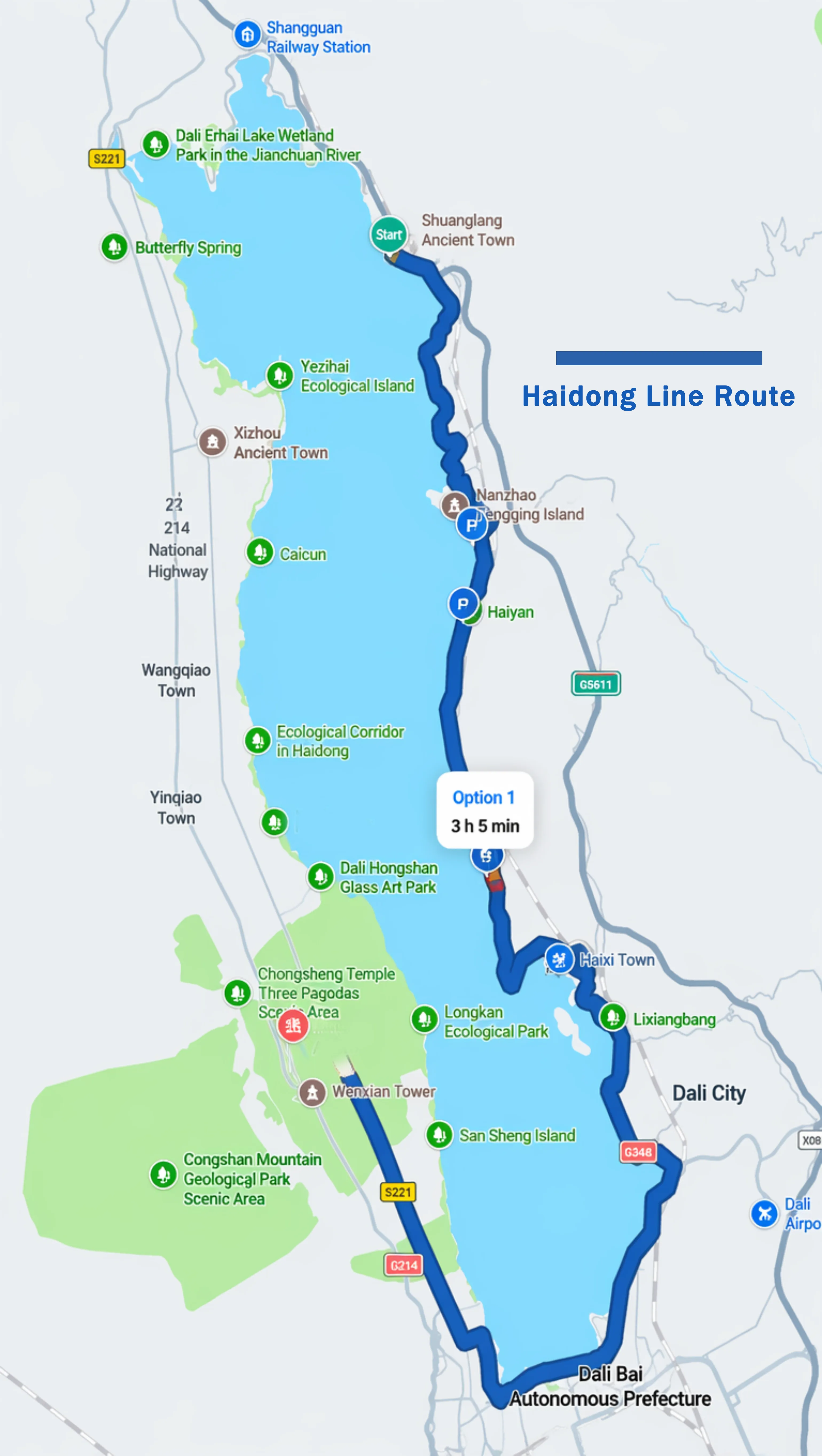
Recommended Itinerary: Half-day tour of the Haidong Line
Route: Shuanglang Ancient Town → Wase → Xiaoputuo → Haidong Town → Wenbi Village → Ideal City → Dali Ancient City
If you're starting from the old town, the journey along the Haidong line is longer, so it's not recommended to rush it. You can plan it for the afternoon, focusing on the lake views on the east bank and the sunset.
1. Shuanglang Ancient Town
Shuanglang is the most famous ancient town on the eastern shore of the sea, offering lakeside accommodations, cafes, restaurants, and expansive lake views. It is known as the "Number One Town for Cangshan and Erhai Scenery".

What you can do:
Relax and take photos at a lakeside cafe
Enjoy distant views of Cangshan Mountain and Erhai Lake
Take a leisurely stroll along the lakeside
Visit Yuji Island (free, like a small paradise)
Take a boat to Nanzhao Folk Island (entrance fee + boat ticket approximately 47 yuan)
Suggested stay: 1–2 hours.
Advice for tourists: Shuanglang is quite popular, and it can be crowded during peak season. The alleys of the ancient town are narrow, so it is recommended to only make a short stop or explore on foot. If you want a more in-depth experience, consider staying overnight in Shuanglang.
2. Wase
Wase Town is located on the eastern shore of Erhai Lake, quieter and more pristine than Shuanglang. Here, there are no crowds, only Bai ethnic villages and natural scenery.
What you can do:
Watch the fishing boats in the morning mist at Wase Pier
Visit the Luwoshan Ruins – with its abandoned window frames and natural caves, a hidden gem for Instagram-worthy photos
Watch seagulls from November to March
Suggested stay: 45–60 minutes.
Advice for European and American tourists: Wase is more suitable for tourists who want to avoid crowds and experience an authentic Bai ethnic village. If time is limited, this can be arranged together with Xiaoputuo.
3. Xiao Putuo
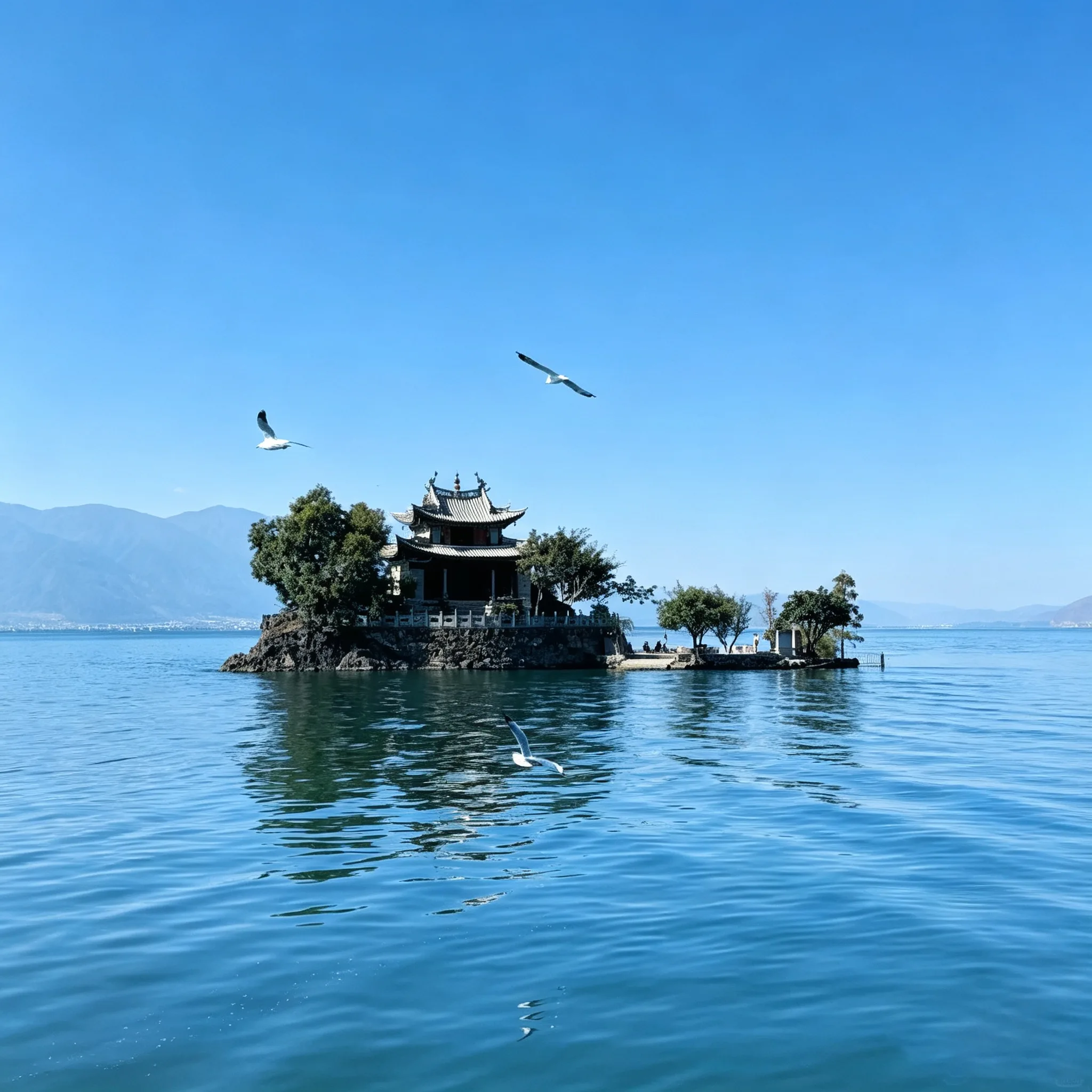
Xiaoputuo is a small island in Erhai Lake with a temple on it. It is one of the most common stops on the eastern route of the lake.
What you can do:
See the islands and temples in the lake
Take photos of the lake, distant mountains, and sky
Feed the seagulls from November to March
Suggested stay: 20–40 minutes.
Advice for tourists: Xiaoputuo is best visited briefly during a trip; it's not recommended to allocate a long time for it. Whether to take a boat to the island is up to personal preference.
4. Haidong Town and Jinshuo Island
Haidong Town boasts a 19.5-kilometer shoreline along Erhai Lake. Jinshuo Island, the largest island in Erhai Lake, is named for its resemblance to a shuttle and retains the complete traditional fishing village features of the Bai ethnic group.
What you can do:
Take a boat from Tacun Wharf to Jinshuo Island.
Take photos from the island of Ideal Beach and Cangshan Erhai Lake side by side.
See the Bai ethnic fishing village and the Ming Dynasty Guanyin Temple.
Suggested stay: Depends on whether you go to the island (approximately 1-2 hours if you do).
5. Wenbi Village
Wenbi Village has become one of the most popular photo spots along the Haidong Line in recent years. It features a rainbow-colored road, white buildings, and cliffside sea views.
What you can do:
Take photos of the Rainbow Highway—a colorful road leading directly to Erhai Lake.
Take photos in front of the white building of the Hai Zhi Chapel.
Watch the sunset at the cliffside café.
Enjoy a panoramic view of Erhai Lake from a high point in the village.
Suggested stay: 1–2 hours.
Tips for visitors: Wenbi Village is considered one of the most beautiful places on the eastern coastline. It's recommended to visit after 4 PM, as the sunset will bathe the streets in warm colors. There are many cafes in the village, perfect for sitting and watching the sunset.
6. Ideal City (Dali's "Santorini")
Ideal City is a white building complex built on a mountain, with blue roofs, irregular white walls, and gravel steps, like Santorini moved from the Aegean Sea to Erhai Lake.

What you can do:
Take photos of the white buildings and blue domes
Enjoy panoramic views of Erhai Lake from the highest viewing platform
Walk through the winding stairwells and alleyways
Watch a sunset over Erhai Lake here.
Suggested stay: 1–2 hours.
Advice for European and American tourists: Entry to Ideal Land is free, but some popular photo spots may require a fee. It's recommended to visit between 3 PM and 6 PM for the softest lighting. For best photos, wear white or blue clothing to complement the white architecture.
How should I plan my day trip around Erhai Lake?
If tourists want to experience both the West Coast and East Coast routes in one day, they can arrange it as follows:
Ancient City / Hotel → Longkan Wharf → Xizhou Ancient Town → Zhoucheng Tie-dye Village → Shuanglang → East Bank Viewpoint → Xiaoputuo → Return to Ancient City
If you want to tour around Erhai Lake, the most important thing is to save time on transportation. The advantage of hiring a car is that it reduces travel time and increases the time you can spend enjoying the attractions.
The entire loop around Erhai Lake is approximately 120-130 kilometers. If you want a more relaxed experience, you can consider splitting it into two days: Day 1: West Lake route (Longkan Wharf → Xizhou → Zhoucheng), overnight in Shuanglang; Day 2: East Lake route (Shuanglang → Xiaoputuo → return).
If time is limited, how should you choose?
Half a day: Choose the West Coast Route. Reason: The West Coast Route is closer to the ancient city, offers more content, and is suitable for first-time visitors.
Want to photograph lake views: Choose the East Coast Route. Reason: The East Coast Route offers expansive views, better suited for photographing the blue lake surface, highway, and distant Cangshan Mountains.
Bringing elderly people or children: Choose the shorter West Coast Route. Reason: The journey is relatively easy, and the stops are more suitable for rest, meals, and leisurely strolls.
Want to stay for a lakeside vacation: Choose the East Coast Route in Shuanglang. Reason: Shuanglang is more suitable for lakeside accommodations, cafes, and a slow-paced vacation.
Regarding chartering a car: Why it's worth considering
The key to a tour around Erhai Lake isn't the car ride itself, but rather stopping along the way to experience different aspects of Dali. The western route is ideal for visiting Bai ethnic villages, Xizhou Ancient Town, and experiencing tie-dye culture; the eastern route offers expansive lake views, Shuanglang, and the lakeside highway.
If tourists rely solely on hailing taxis on the spot, it's difficult for them to flexibly stop at these scattered locations. The value of chartering a car lies in connecting the stops on the west and east sides of the coast into a smooth route, allowing tourists to spend their time on lake views, ancient towns, and cultural experiences, rather than repeatedly searching for and transferring vehicles.
Which tourists are most likely to hire a car to tour Erhai Lake?
First-time visitors from Europe and America to Dali
Those who want to see both the western and eastern sections of the lake in one day
Those traveling with elderly people, children, or luggage
Those who want to take photos of the sunrise, sunset, and lakeside views
Those who want to visit multiple locations including Xizhou, Zhoucheng, Shuanglang, and Xiaoputuo
Those who are switching accommodations from Dali Old Town to Shuanglang
Those unfamiliar with Chinese ride-hailing apps and local transportation
If you're just taking a stroll from the old town to Longkan Wharf, hiring a car isn't necessary; however, if you want to connect both sides of Erhai Lake, hiring a car will be significantly more convenient. Motor vehicles are prohibited from entering the Haixi Ecological Corridor, and a chartered car will take you to the nearest attraction entrance, a walk of no more than 2 minutes. On the Haidong route, the attractions are scattered and far apart, so hiring a car or driving yourself is the most efficient way to visit them.
Simple transportation suggestions:
Western Lake Route: Suitable for cycling or hiring a car + short walking distances.
Eastern Lake Route: Hiring a car is recommended; the scenery along the way is more expansive.
Complete loop around the lake: Hiring a car is the most hassle-free option.
Recommended one-day chartered car tour in Dali
If you are interested in a private car tour in Dali, you can contact us through this website, tell us your preferences, and we will customize a private car tour just for you. You can also choose a classic itinerary.
Classic Itinerary Recommendations:
Shaxi Day Trip from Dali by Private Car
Frequently Asked Questions
Which Erhai Lake route is better for first-time visitors to Dali?
The west route is the better choice for most first-time visitors because it combines Bai ethnic villages, ancient towns, rice fields, and views of Cangshan Mountain with Erhai Lake. It is also closer to Dali Old Town, which makes the day feel more relaxed and easier to organize.
What is the difference between the west and east Erhai Lake routes?
The west route focuses more on culture, Bai architecture, slow travel, and village scenery, while the east route is known for open lake views, the lakeside highway, photography spots, and sunset scenes. Travelers often choose west for a cultural day and east for wider landscapes and iconic lake photos.
Can I see both sides of Erhai Lake in one day?
Yes, the article notes that the west and east routes can be combined into a one-day loop around Erhai Lake if time allows. If your schedule is tight, the recommendation is to start with the west route first because it offers the most balanced first experience of Dali.
Is hiring a car necessary for an Erhai Lake tour?
A chartered car is one of the most convenient ways to visit Erhai Lake because the sights are spread along both shores rather than concentrated in one area. It helps travelers stop at villages, docks, cafes, and scenic viewpoints more efficiently over a full day.
What places are usually included on an Erhai Lake chartered car tour?
Common stops mentioned in the article include Xizhou on the west side and Shuanglang and Xiaoputuo on the east side, along with rice paddies, lakeside docks, tie-dye workshops, and scenic roadside viewpoints. These stops are typically spread around the lake, so a route is planned based on whether you prefer culture or open-water scenery.
More to Read


Plan Your Trip
Let us design your perfect China journey
Our trip designers respond within 24 hours with a personalized itinerary and quote.