
This article outlines a practical Dunhuang 2 day itinerary: one day for the Mogao Caves and city sights, and one day for Mingsha Mountain, Crescent Spring, sunset, budget and booking tips.
Based on local expertise and practical tips from experienced guides, this Dunhuang guide explains how to plan two full days for Mogao Caves, Mingsha Mountain and Crescent Spring, with transport, timing, sunset strategy and a realistic RMB 500-1,200 daily budget.
If you are trying to plan a Dunhuang 2 day itinerary, the good news is that two days is enough to see the city’s biggest highlights without rushing too much. Dunhuang is compact, but its attractions are spread between the city, the desert edge, and sites outside town, so a smart route matters if you want to fit in the Mogao Caves, Mingsha Mountain, Crescent Spring, and local food.
Quick answer: the best Dunhuang 2 day itinerary is to spend one day on the UNESCO-listed Mogao Caves and the nearby museum or city sights, then use the second day for Mingsha Mountain, Crescent Spring, and sunset in the desert. Most travelers need 2 full days, a daily budget of around RMB 500-1,200 per person depending on transport style, and advance booking for the caves in peak season.
What Is the Best Dunhuang 2 Day Itinerary?
For most first-time visitors, the ideal Dunhuang 2 day itinerary balances history and scenery. Dunhuang was one of the key oasis towns on the ancient Silk Road, so the city offers both world-class Buddhist art and dramatic Gobi-desert landscapes.
Day 1: Mogao Caves + Dunhuang city
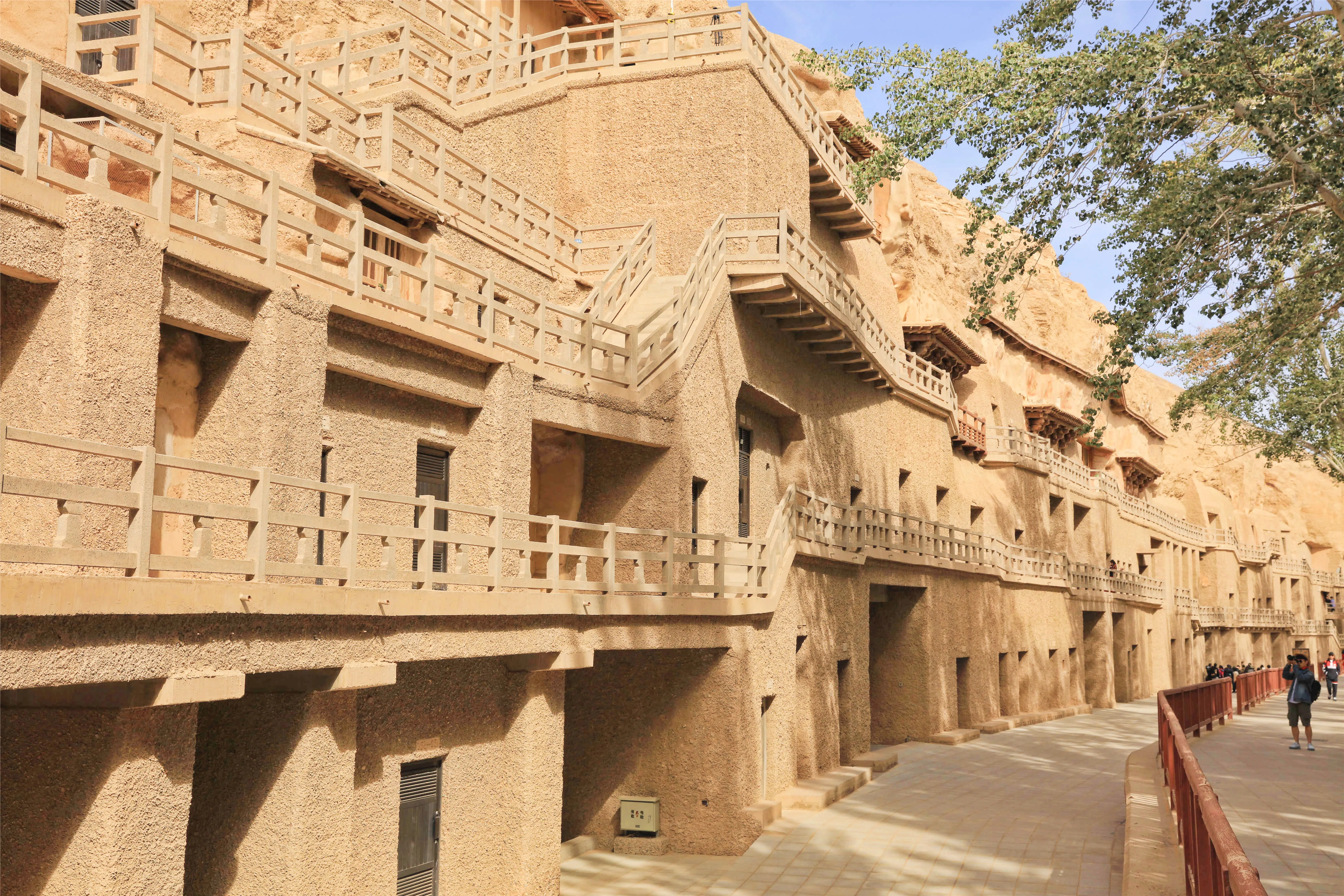
Morning: Visit the Mogao Caves. Reserve at least 3-4 hours including the digital film and shuttle transfer.
Lunch: Return to downtown Dunhuang for hand-pulled noodles, lamb dishes, or local donkey yellow noodles.
Afternoon: Explore the Dunhuang Museum or stroll Shazhou Night Market if you prefer a lighter schedule.
Evening: Try local specialties and rest early if you want a sunrise or sunset desert visit on day two.
Day 2: Mingsha Mountain + Crescent Spring
Morning or late afternoon: Head to Mingsha Mountain and Crescent Spring, about 5-6 km from central Dunhuang.
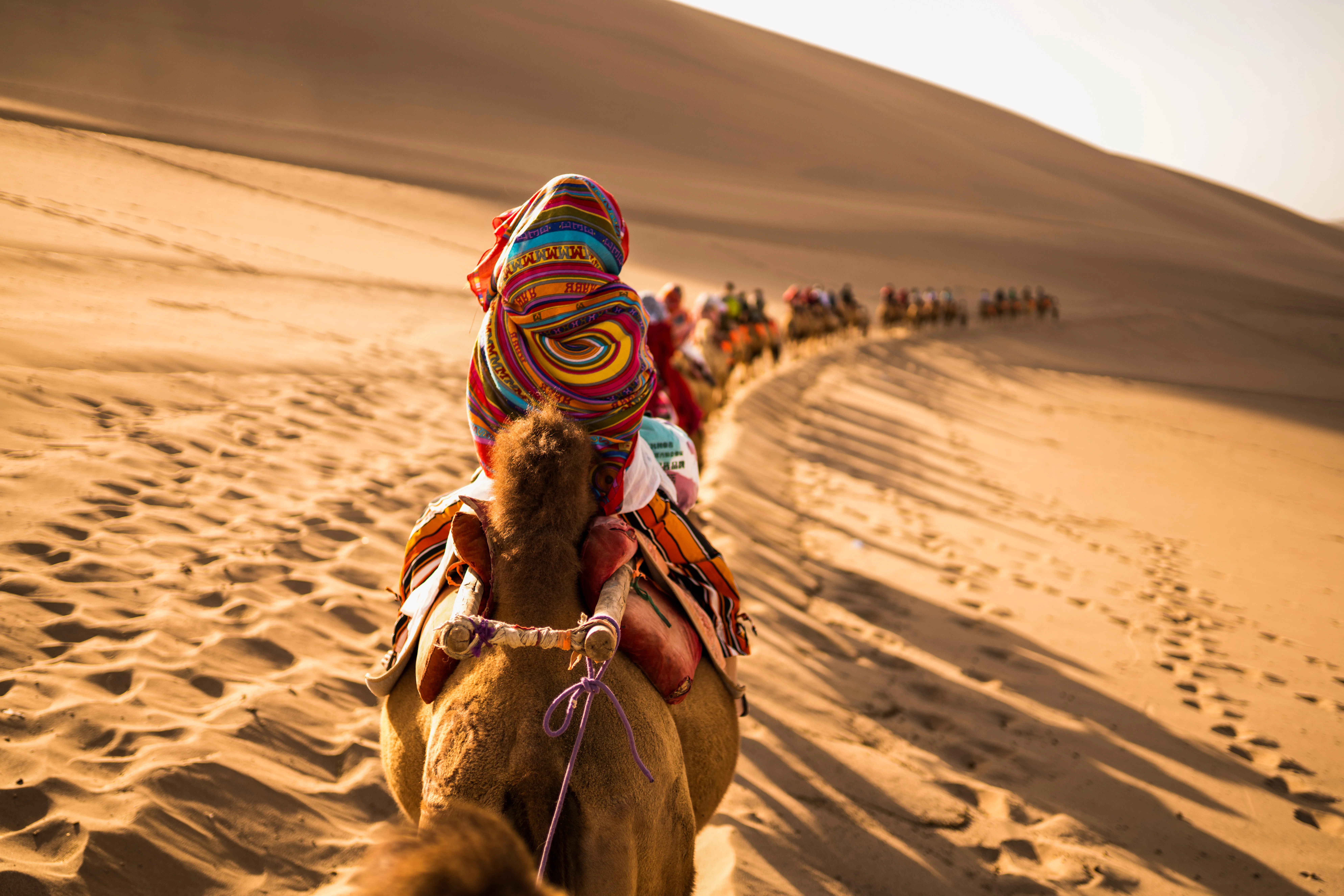
Activities: Walk, ride a camel, take a sightseeing cart, or climb sand dunes for wide desert views.
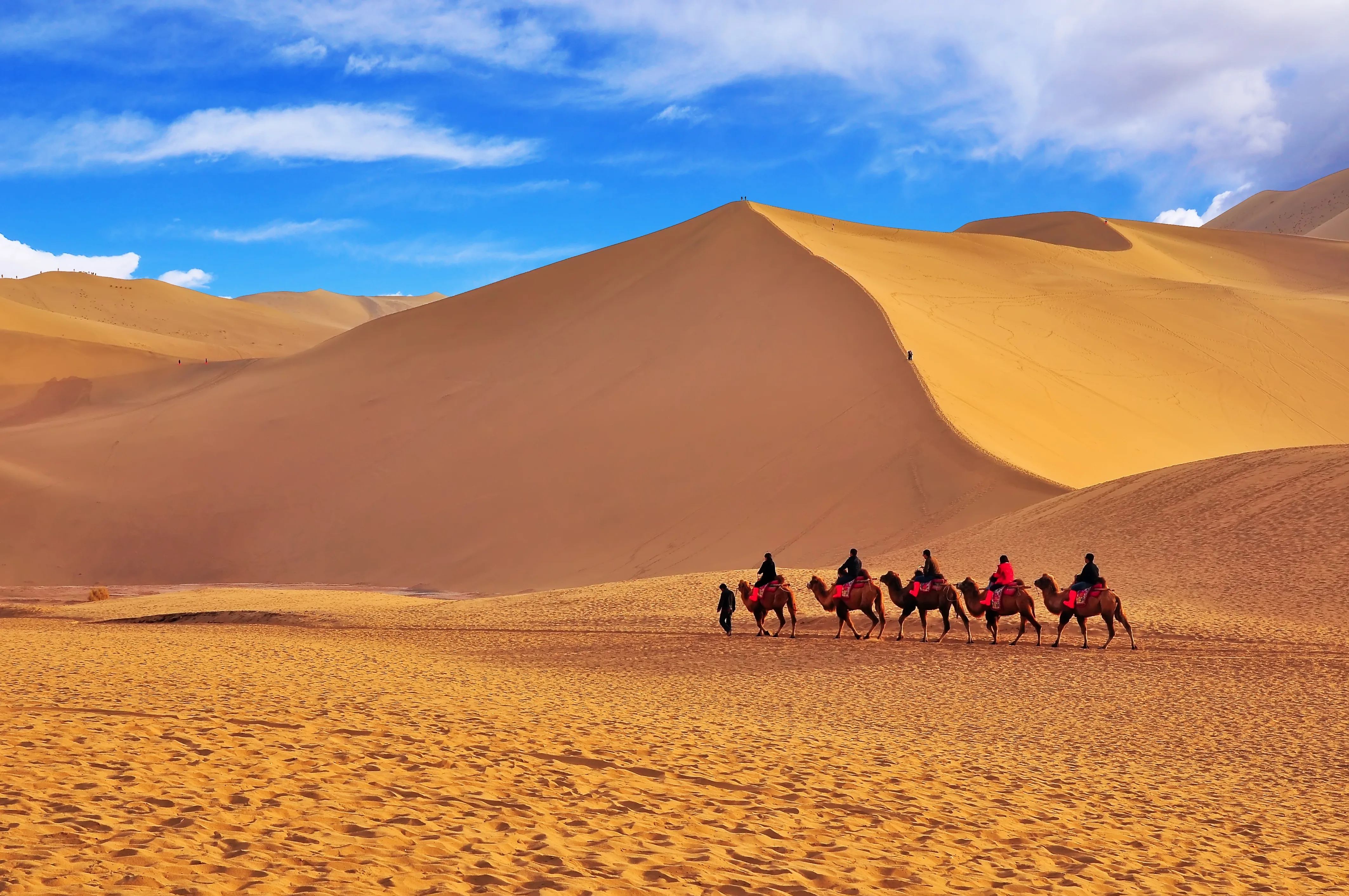
Best moment: Stay for sunset, when the light turns the dunes orange-gold and temperatures become more comfortable.
Evening: Return to town for dinner or optional night market shopping.
Expert tip: If your arrival is late on day one, swap the order. Mogao Caves require fixed ticketing and timed entry, while Mingsha Mountain is easier to visit flexibly around sunrise or sunset.
Why Should You Start With the Mogao Caves?
The Mogao Caves, also called the Thousand Buddha Grottoes, are Dunhuang’s most important cultural site and a major reason travelers come to Gansu. Located about 25 km southeast of downtown Dunhuang, the site contains hundreds of cave temples carved into cliff faces between the 4th and 14th centuries.
What makes Mogao Caves special?
A UNESCO World Heritage Site since 1987
More than 700 caves, with around 400+ containing murals and painted sculpture
Roughly 45,000 square meters of wall paintings
One of the most important surviving collections of Buddhist art in China
How does the visit work?
Visits are controlled to protect the fragile paintings. Standard entry typically includes:
Access to the digital exhibition center with introductory films
A shuttle bus to the cave area
A guided visit to a limited number of caves
In peak months, standard tickets often cost around RMB 238 for adults, while off-season prices can be lower, commonly around RMB 140. Policies can change, so travelers should always check the official booking channel before departure.
How much time should you allow?
Set aside at least half a day. From the city center, private car travel usually takes about 30-40 minutes each way. The on-site process is organized but not quick, and the educational film is worth watching because it adds historical context to the murals and statues.
Best for: history lovers, art lovers, first-time visitors
Not ideal for: travelers expecting to wander independently for hours, since access is controlled
Booking tip: Reserve several days in advance in summer holidays and Chinese national holidays
How Do You Plan Mingsha Mountain and Crescent Spring Efficiently?
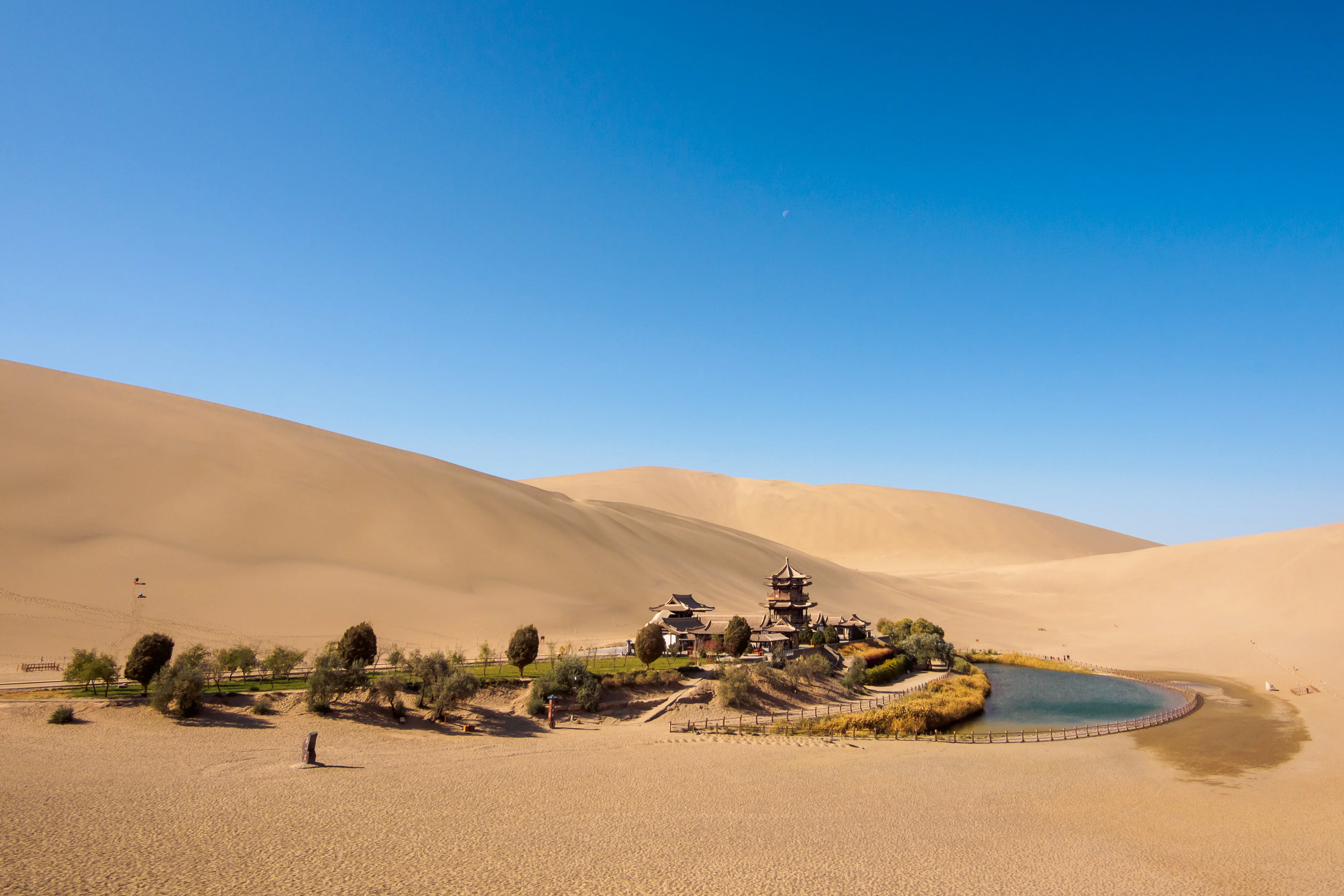
No Dunhuang 2 day itinerary feels complete without the city’s iconic desert landscape. Mingsha Mountain means “Echoing-Sand Mountain,” and Crescent Spring is the small oasis pool at its edge. The contrast between high dunes and a preserved crescent-shaped spring is what makes the area so memorable.
When is the best time to go?
The smartest time is early morning or late afternoon to sunset. Midday in summer can exceed 35°C, and the sand reflects heat strongly. Sunset is especially popular for photography and cooler temperatures.
What can you do there?
Walk to the spring and pavilion area
Climb dunes for panoramic views
Ride a camel along marked routes
Use a sightseeing cart to reduce walking
Try sand sliding in designated areas if available seasonally
How much do tickets and activities cost?
Entry prices vary by season, but many travelers should expect general admission in the range of RMB 110-120. Optional activities cost extra:
Camel ride: often around RMB 100-120
Sightseeing cart: usually around RMB 20-30
Shoe covers: a small extra fee if you want help walking on hot or loose sand
From downtown Dunhuang, the site is close enough that a taxi or private car ride is usually only 15-20 minutes. That makes it easy to schedule around meals or sunset.
Expert tip: Bring water, sunglasses, sunscreen, and a light scarf. Desert wind can pick up quickly, especially in spring, and fine sand is uncomfortable if you are unprepared.
When Is the Best Time to Visit Dunhuang for 2 Days?
Dunhuang has a dry desert climate with large day-night temperature swings. The best seasons for a relaxed Dunhuang 2 day itinerary are usually May to June and September to October.
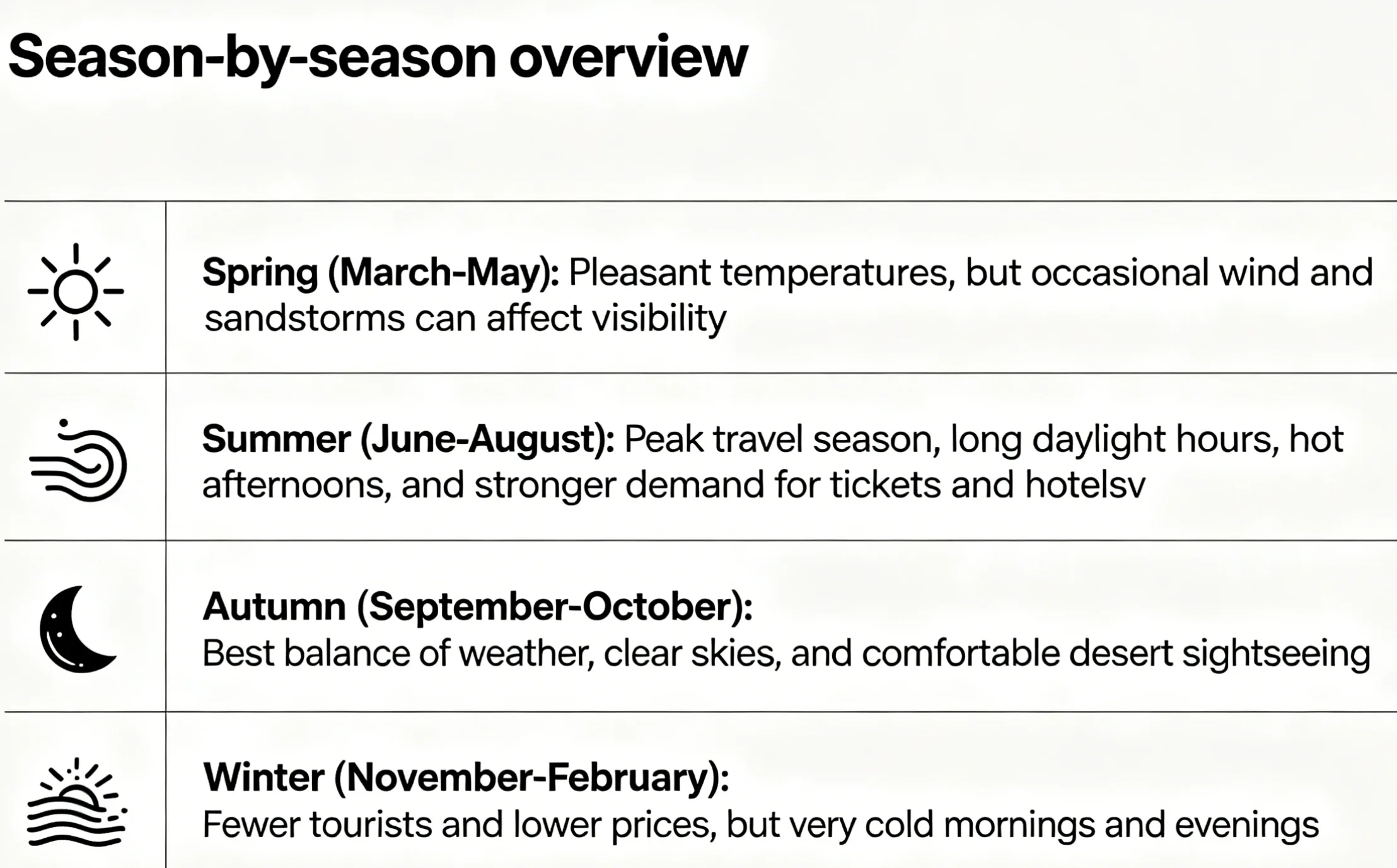
Season-by-season overview
Spring (March-May): Pleasant temperatures, but occasional wind and sandstorms can affect visibility.
Summer (June-August): Peak travel season, long daylight hours, hot afternoons, and stronger demand for tickets and hotels.
Autumn (September-October): Best balance of weather, clear skies, and comfortable desert sightseeing.
Winter (November-February): Fewer tourists and lower prices, but very cold mornings and evenings.
How many days are enough?
Two full days are enough for the essential highlights. If you want to add farther sites such as Yumen Pass, Yangguan Pass, or sections of the ancient Great Wall near Dunhuang, add a third day. Those attractions are farther from town and work better as a separate excursion.
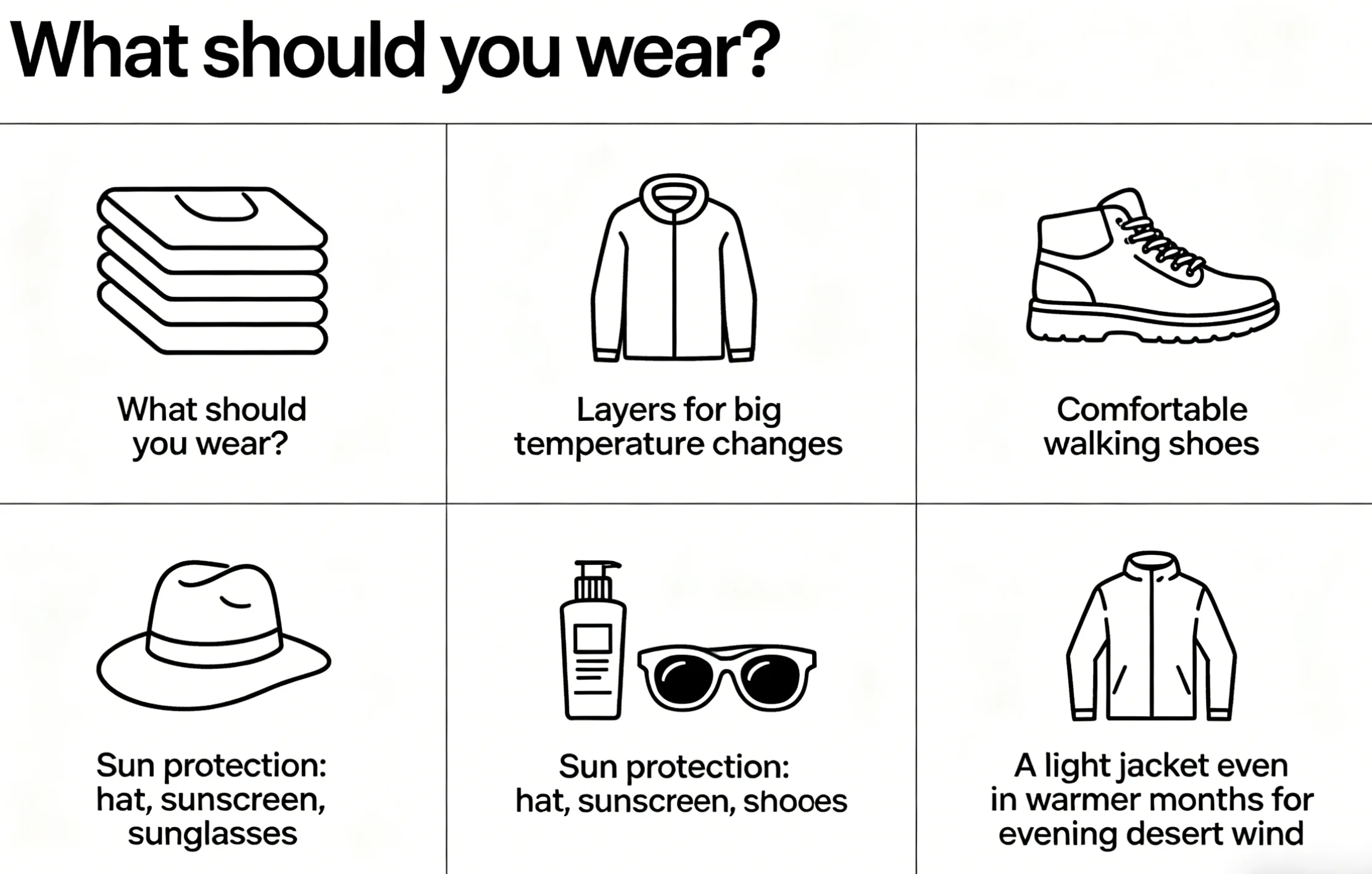
What should you wear?
Layers for big temperature changes
Comfortable walking shoes
Sun protection: hat, sunscreen, sunglasses
A light jacket even in warmer months for evening desert wind
How Much Does a Dunhuang Trip Cost?
Dunhuang is not the cheapest city in northwest China during peak season, but it is manageable for most travelers if you plan ahead. Your total depends largely on hotel choice and whether you use public taxis or a private car.
Typical 2-day budget per person
Budget traveler: RMB 500-700 excluding intercity flights or train tickets
Mid-range traveler: RMB 800-1,200
Comfort traveler: RMB 1,300+
Estimated cost breakdown
Mogao Caves: RMB 140-238
Mingsha Mountain/Crescent Spring: RMB 110-120
Local taxi rides: often RMB 15-60 depending on distance
Private airport or sightseeing car: higher, but more efficient and easier for English-speaking visitors
Meals: roughly RMB 25-80 per person per meal in casual restaurants
Mid-range hotel: often RMB 250-500 per night
Is private transport worth it?
For travelers with limited time, yes. Dunhuang’s main sights are not difficult to reach, but ticket timings, desert sunset planning, and language barriers can make logistics slower than expected. A private car is especially useful for airport transfers, family travel, and combining multiple stops smoothly in one day.
RideCN’s private car service can be a practical option if you want straightforward transfers, flexible sightseeing timing, and less stress between the Mogao Caves, city hotels, and desert attractions.
How Do You Get Around Dunhuang and What Should You Eat?
Dunhuang is small compared with major Chinese cities, so transport is not complicated. The bigger challenge is making efficient choices so you do not lose the best light of the day in transit.
Getting around Dunhuang
Taxi: easy for city-to-attraction rides; best for short distances
Ride-hailing apps: may be available, though payment and app use can be harder for foreign travelers
Private car: most convenient for timed itineraries and airport/train station pickups
Public transport: possible for some routes, but less convenient if your time is tight
Arrival options
Dunhuang is served by Dunhuang Mogao International Airport and by railway connections from cities such as Lanzhou, Jiayuguan, and Zhangye. If you arrive by overnight train, leave room for rest before climbing dunes in the heat.
What should you eat in Dunhuang?
Lanzhou-style beef noodles
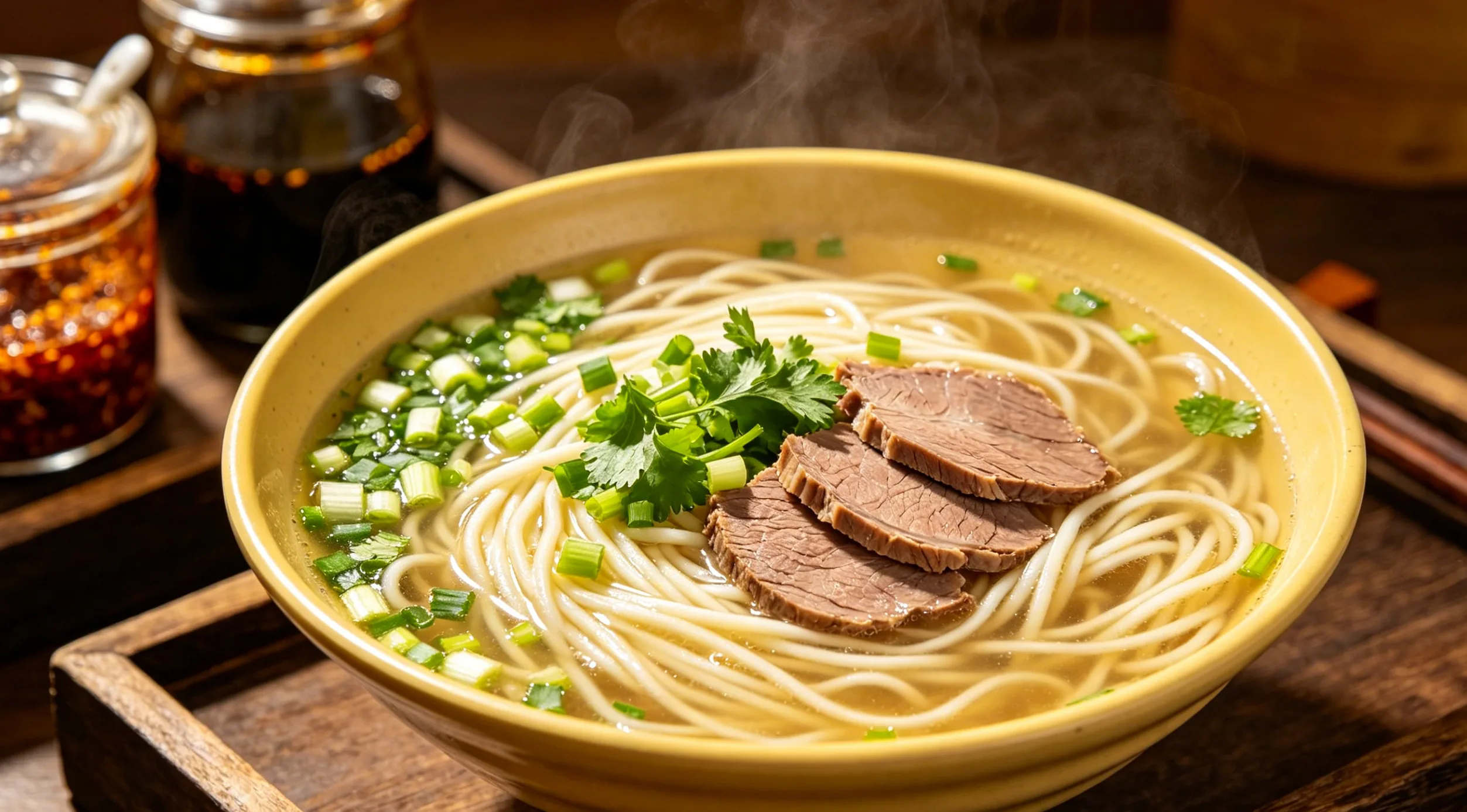
Yellow noodles with donkey meat, a regional specialty
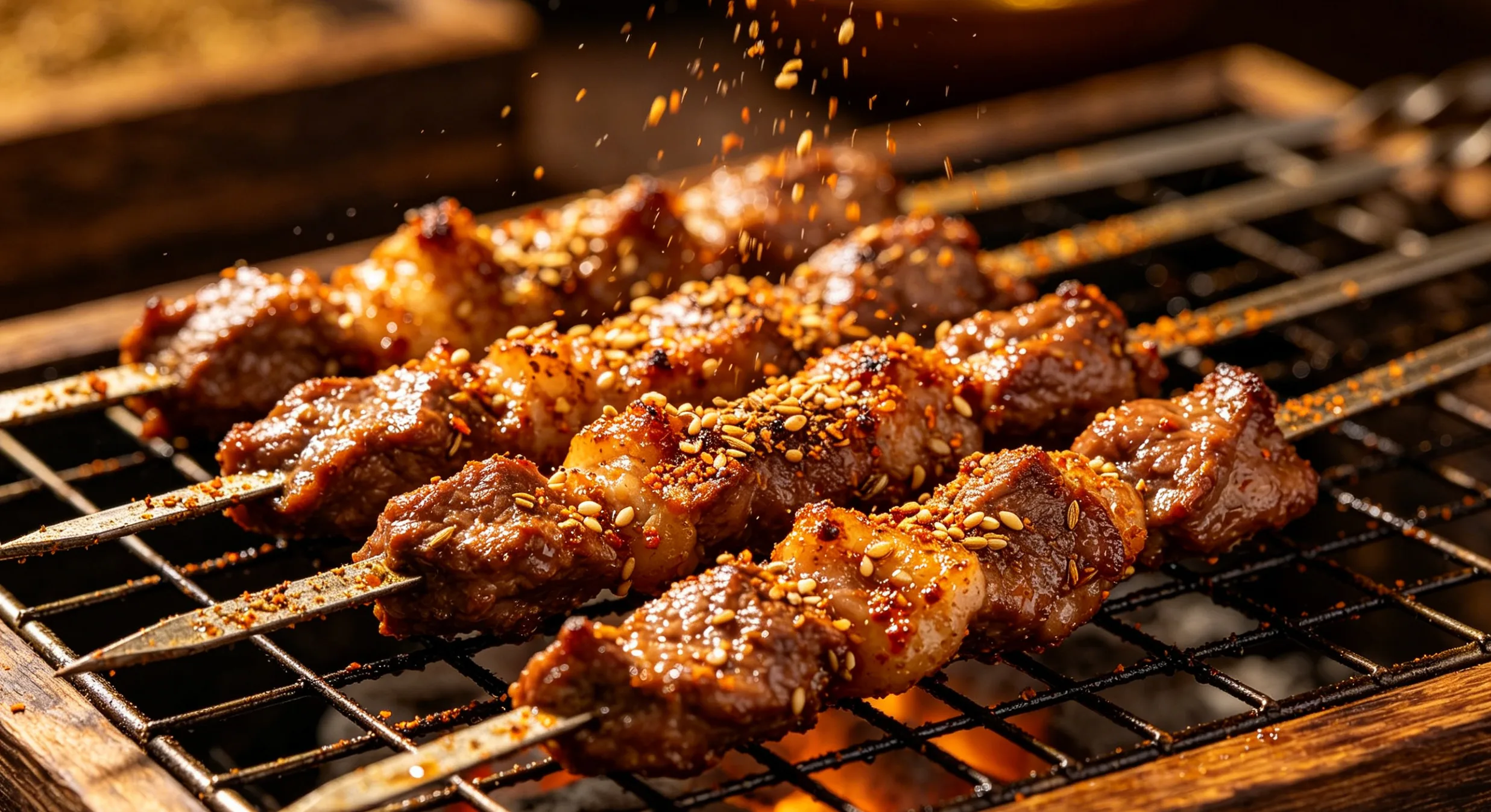
Lamb skewers and other northwest Chinese barbecue dishes
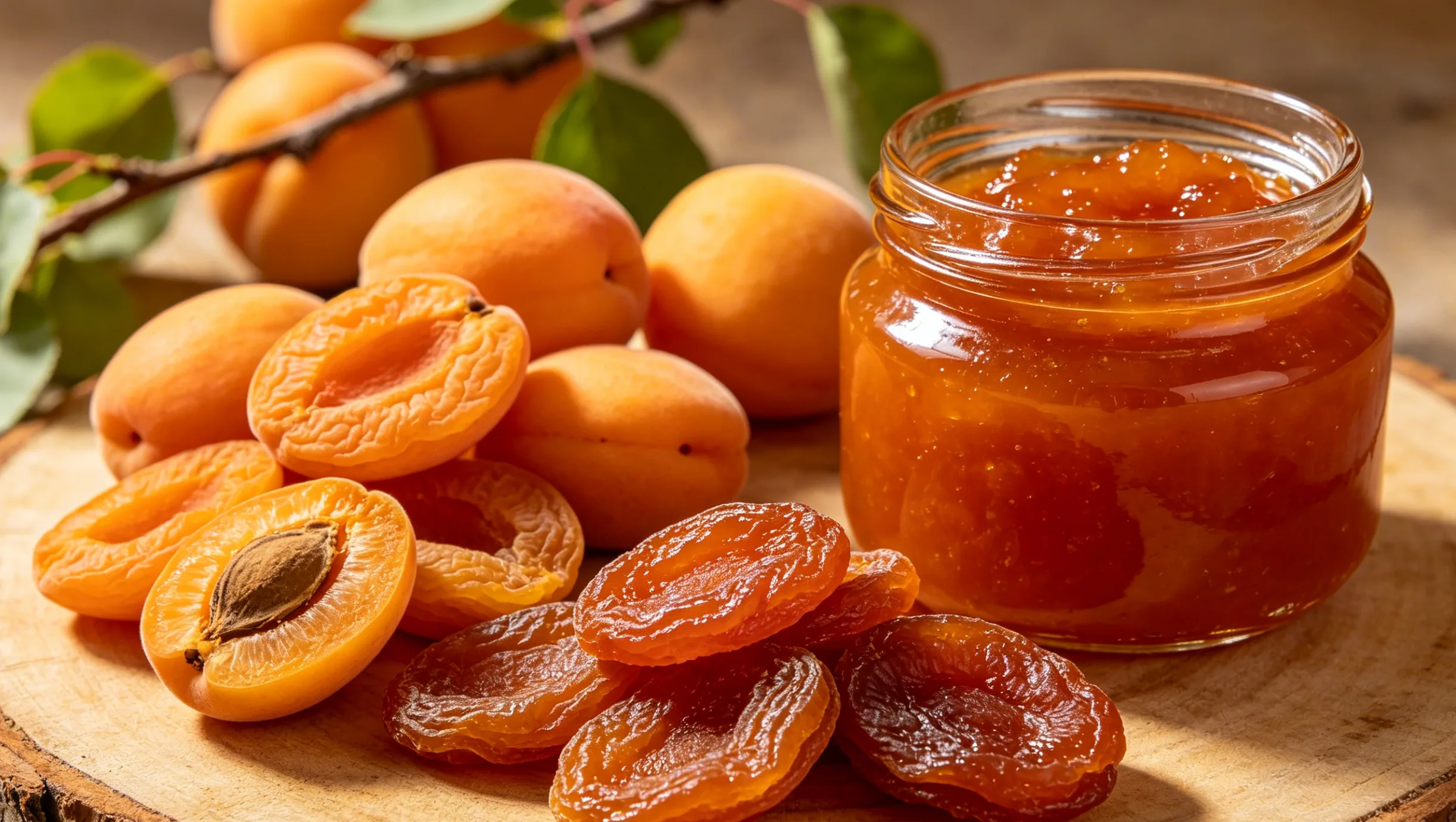
Apricot products, common in Gansu
Yogurt and local snacks from the night market
Shazhou Night Market is popular for an easy dinner stop, but prices there can be slightly higher than in ordinary neighborhood restaurants. For better value, ask your hotel for a local favorite within 1-2 km of your accommodation.
Practical Takeaways for a Smooth 2-Day Trip
If you only remember a few things when planning your Dunhuang trip, make them these:
Book Mogao Caves early, especially from June to October and during public holidays.
Use day one for culture and day two for the desert for the easiest rhythm.
Visit Mingsha Mountain in the morning or near sunset to avoid extreme heat and get better photos.
Budget around RMB 500-1,200 per person for two days excluding long-distance transport, depending on hotel and transport style.
Allow 30-40 minutes each way to Mogao Caves and around 15-20 minutes to Mingsha Mountain from town.
Wear layers and sun protection; desert temperatures change quickly between day and night.
Add a third day if you want Yumen Pass, Yangguan, or deeper Silk Road sites outside the city.
Frequently Asked Questions
How many days do I need in Dunhuang?
Most first-time visitors need 2 full days to cover Dunhuang’s main highlights without rushing. This itinerary splits the trip into one day for the Mogao Caves and city sights, and one day for Mingsha Mountain and Crescent Spring.
How long should I spend at the Mogao Caves?
Set aside 3 to 4 hours for the Mogao Caves visit. That time includes the digital film experience and the shuttle transfer, so it is best planned as a half-day activity.
How far are Mingsha Mountain and Crescent Spring from central Dunhuang?
Mingsha Mountain and Crescent Spring are about 5 to 6 km from central Dunhuang. That short distance makes them easy to pair with a late-afternoon visit and sunset in the desert.
What is a realistic budget for a Dunhuang trip?
A practical daily budget is around RMB 500-1,200 per person, depending on your transport style. Travelers using simpler transport and a lighter schedule will stay closer to the lower end, while more convenience usually pushes costs higher.
When is the best time to visit Mingsha Mountain and Crescent Spring?
Late afternoon into sunset is one of the best times to go. The dunes turn orange-gold in the evening light, and temperatures are usually more comfortable than in the middle of the day.
More to Read
Plan Your Trip
Let us design your perfect China journey
Our trip designers respond within 24 hours with a personalized itinerary and quote.