This article explains when a private car charter in Beijing is worth booking, when the subway or taxis are enough, and how costs, routes, and tourist scams affect the decision.
Based on local expertise, this guide explains how Beijing private car charters work, which travel scenarios justify hiring a car, and when public transport is sufficient. It includes practical tips from experienced guides on route planning, fatigue reduction, and common overcharging risks for foreign tourists.
Beijing's transportation system itself isn't complicated—the subway network is extensive, taxis are readily available, and many downtown areas are even within walking distance. The problem lies in Beijing's sheer size, a city that can subtly drain your energy. On a map, the Forbidden City and the Summer Palace appear to be a straight line, but in reality, a taxi ride takes 40 minutes; you plan to spend two hours at the Great Wall at Badaling, but with transportation, it takes up most of the day; you schedule four attractions in a day, only to find yourself spending most of your time checking maps and hailing taxis.
Hiring a car isn't about making you more "luxurious," but about choosing a way to reduce decision-making fatigue at the right time. This guide will honestly tell you when hiring a car is truly useful, when it's completely unnecessary, and where foreign tourists are easily ripped off.
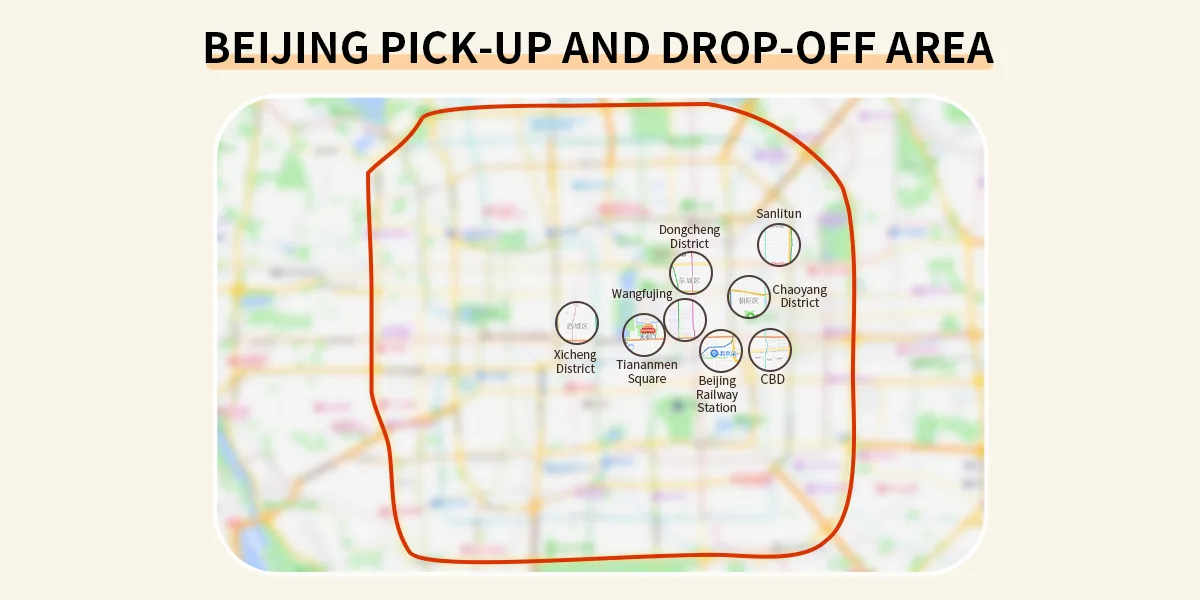
Positioning – What exactly is Beijing chartered car service?
In Beijing, "chartered car service" essentially means renting a car with a driver for a day. It's not the luxury limousine experience (although you can book a luxury car), but more like: you have a fixed route, a car exclusively for you, and a local driver, all charged by the day.
Unlike many Chinese cities, chartered cars aren't a necessity in Beijing. Most foreign tourists in Beijing for five days might only need a car for one or two days—airport to hotel, the Great Wall day, or half a day for changing hotels with extra luggage. The subway is perfectly adequate for the rest of the time.
The core problem that chartered cars solves isn't "not enough cars," but rather: a day being broken into too many segments, leading to exhaustion before money runs out.
When is chartering a car truly useful? (Specific scenario analysis)
The following scenarios are the most common for private car hire in Beijing. Based on the specific scenario, you can determine whether your Beijing tour requires a car hire and how to do so:
Scenario 1: A day trip to the Great Wall (the scenario where chartering a car is most useful)
The Great Wall is the most valuable location for hiring a car. Beijing has several sections of the Great Wall, with Badaling and Mutianyu being two of the most popular choices for foreign tourists.
Badaling Great Wall VS Mutianyu Great Wall: Which to choose?
Badaling: The most famous, home to the famous inscription "He who has not climbed the Great Wall is not a true man." The downside is the crowds, especially during holidays, with long queues for photos.
Mutianyu: It is a bit further away (about 70 kilometers), but there are relatively fewer tourists, the scenery is more pristine, and the vegetation is better.
Chartering a car to the Great Wall VS Public transportation: A comparison of actual experiences
If you are traveling to the Great Wall in groups of 3 or fewer, you can take a taxi to Badaling Great Wall for about 240 RMB round trip. If you have more time, you can take the subway to Beijing North Station or Qinghe Station, then take the high-speed train to Badaling Great Wall Station (about 30 minutes, 25 RMB), and then walk 20 minutes to the Great Wall. The entire journey will take about 2.5 hours, not including taxi waiting time.
To get to Mutianyu, you can take the "Mu Bus" directly from Dongzhimen to the scenic area (about 1.5 hours, 12 RMB). The departure times are fixed, so if you live far away, you'll need to get up very early. Alternatively, you can take a taxi for about 260 RMB round trip, which will take about 3 hours, excluding taxi waiting time.
Chartering a car to Badaling or Mutianyu is simple. You just need to choose your desired departure time, and the driver will be waiting at your hotel. You don't need to worry about wasting time waiting for transportation or not being able to get a taxi. You can just relax and enjoy your trip. The charter fee is ¥700 for a 5-seater car. If you have 4 people, it will only cost around ¥180 per person. In return, you'll have more time to sleep and play, avoid crowded buses, and not have to rush for the last train. Whether this is worth the money depends on how much you value your time and energy.
Recommended car rental options for Great Wall Motors in Beijing:
Great Wall Full-Day Private Excursion

Beijing Great Wall Tour & Forbidden City by Car

If this is your first time visiting Beijing, you are short on time, and you are unfamiliar with Beijing's transportation system, we recommend that you hire a car to save time on transportation. If you have plenty of time, are traveling alone, or are traveling in a group of three or fewer, we suggest that you travel independently, as the cost will be cheaper than hiring a car.
Route Selection Suggestions:
If choosing Badaling: Public transportation is the most convenient, but it's also the most crowded and commercialized. Private vehicles are fine; drive directly to the parking lot (parking fee 20 RMB), then take a shuttle bus or walk to the entrance. Getting into Beijing from Badaling via the highway is the smoothest, making it a "transportation model" for Beijing.
If choosing Mutianyu: Fewer tourists than Badaling, with more pristine scenery. Chartered drivers are usually familiar with Mutianyu's parking lots and routes, but if you're using public transportation, you'll need to take a long-distance bus to Huairou and then transfer to a local car, which is inconvenient. Chartering a car is a more hassle-free option, and the cost is similar to Badaling.
If choosing Simatai/Jinshanling: More suitable for overnight stays or early departures. Public transportation is almost nonexistent, so chartering a car is essential. The one-way trip from the city center to Jinshanling takes over 2 hours, so you must depart early to ensure a day trip. Simatai is adjacent to Gubei Water Town, making it suitable for a day trip combined with a visit to the water town.
Scenario 2: Airport/train station pick-up and drop-off (the pain point is the "last five kilometers")
Beijing has two international airports, and the choice of airport and arrival time will directly affect your travel plans—especially when you have just landed from a long-haul international flight and are still jet-lagged.
Beijing Capital International Airport (PEK): Approximately 32 kilometers from the city center. Under normal traffic conditions, a taxi ride takes 40-60 minutes and costs 50-100 yuan. The Airport Express subway line takes 20-25 minutes directly to Dongzhimen (a major transportation hub in the city center) and costs 25 yuan.
Beijing Daxing International Airport (PKX): Further away—approximately 50 kilometers. A taxi ride takes over 1.5 hours and costs 100-170 yuan. The Daxing Airport Express takes approximately 20 minutes to Caoqiao Station (where you can transfer to Line 10) and costs 25-35 yuan.
When is it reasonable to hire a car or not?
Not hiring a car: If you arrive during the day and your destination is along a subway line, the Airport Express + Subway is the most economical and efficient option. Both airport express lines are reliable, clearly marked, and have English signage. In this case, we recommend against hiring a private car.
Choosing a Private Car: If you arrive in Beijing at night and are traveling with family, we recommend hiring a private car. It's more comfortable. While airport buses operate at night, there's a waiting time (the same applies to taxis, but if you arrive at Beijing Capital International Airport, which is closer to the city center, a taxi is recommended). Furthermore, they don't go directly to your hotel. Imagine yourself carrying luggage and family, tired from searching at night; hiring a car can save you a lot of trouble.
Scenario 3: Multi-attraction day (multiple destinations in different geographical areas on the same day)
Beijing's core attractions (Tiananmen Square/Forbidden City, Jingshan Park, Beihai Park, Shichahai, Nanluoguxiang, Yonghe Temple, Temple of Heaven) can actually be connected by the subway. The extensive Beijing subway network can basically cover everything you want to go.
So why do people still charter cars? The core reason is simple: efficiency.
The Reality of Public Transportation
Let's assume you plan to visit the Yonghe Temple, Forbidden City, Temple of Heaven, and Bird's Nest/Water Cube in one day. This is a common one-day itinerary for many foreigners:
From the Yonghe Temple, take Line 5 to Dongsi, transfer to Line 6 to Chaoyangmen, then transfer to Line 2 to Qianmen. From there, walk to the Meridian Gate entrance of the Forbidden City (40 minutes one way, 4 yuan).
From the Forbidden City (Shenwu Gate), to get to the Temple of Heaven, take bus 101 or Line 8 (about 30 minutes, 3 yuan).
From the Temple of Heaven to the Bird's Nest/Water Cube, take Line 5 and transfer to Line 8 (about 40 minutes, 5 yuan).
The total cost of public transportation for the day is approximately 15 yuan, but you'll spend at least 2.5-3 hours on the road, not including the time spent walking from the subway station to the entrance of each attraction. The transfers alone from the Forbidden City to the Temple of Heaven can be quite frustrating.
Of course, you can also choose to take a taxi, but you need to know that Beijing is the capital of China and receives a large number of visitors every day, so you may face the situation of not being able to hail a taxi, or waiting for an order to be accepted for more than 20 minutes.
What does chartering a car solve?
A 5-seater sedan can be chartered for a whole day (8 hours, 800-1000 yuan), taking you directly to the entrances of various attractions. After your visit, you return to the car; you don't need to check navigation, find the next subway line, or explain to the ride-hailing driver which gate you're at—the car is just waiting outside. For those planning to visit three or four scattered attractions in a day, chartering a car can save you at least two hours of energy and time.
Recommended itinerary for sightseeing in Beijing:Beijing City Highlights Tour - Full-Day Private Car
Option 4: Day Trip Around Beijing (Chengde Mountain Resort, Tianjin, Qinhuangdao, etc.)
If you plan to visit nearby cities within a limited travel time, then hiring a car is relatively cost-effective. But let's first distinguish between different types.
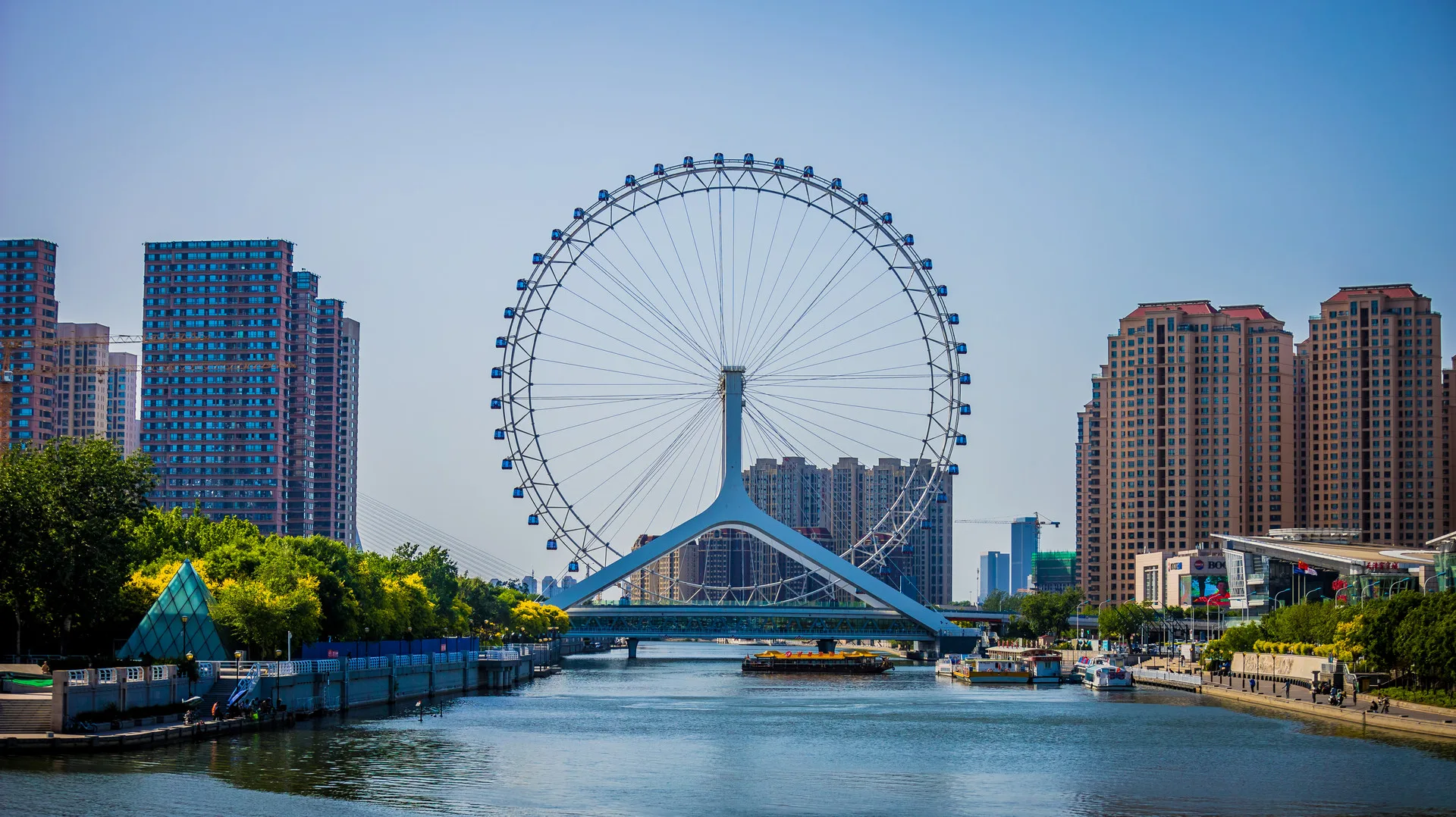
Tianjin: The high-speed train from Beijing South Station to Tianjin Station takes about 30 minutes and costs approximately 55 yuan per person. After exiting the station, you can take the subway or walk to see the Five Avenues, the Italian Style Town, and the Tianjin Eye. A round-trip high-speed train ticket for two people costs 220 yuan + 50 yuan for local transportation in Tianjin, for a total cost of about 270 yuan. Chartering a 5-seater car to Tianjin for a day trip costs about 1000-1200 yuan – a significant price difference. However, if you have a group of 4-5 people, the difference narrows to 190-250 yuan per person vs. 70-80 yuan per person for high-speed train + local transportation. The difference is essentially whether you're willing to spend an extra 100 yuan or so for the convenience of "not having to carry luggage or rush to the train station at any time."
Chengde Mountain Resort: The high-speed train journey from Beijing Chaoyang Station to Chengde South Station takes about 1 hour and costs approximately 85 yuan. A taxi from the station to the Mountain Resort takes about 20 minutes. The total cost of public transportation is approximately 100-120 yuan per person. Chartering a car costs between 1200-1800 yuan (because Chengde is significantly farther than Tianjin). Therefore, chartering a car is only recommended for small groups of 4 or more people.
Recommended private car hire for travel from Beijing to Tianjin:Tianjin Private Tour from Beijing - 8 Hours
When is it completely unnecessary to hire a car?
Hiring a car isn't a panacea. In many cases, it's better not to hire one.
Scenario A: Visiting only one or two attractions in the city center (e.g., the Forbidden City + Jingshan Park + Hutongs)
The Forbidden City is located in one district, only about 5 kilometers from east to west. It's just two stops on subway line 1 or 8. Even after visiting all the attractions, the distance doesn't change much. Anyone with average physical fitness can walk to all three attractions, including subway transfers, and might only need to take a taxi back to the hotel once.
Scenario B: Traveling alone with a limited budget
Hiring a car is only cost-effective when shared among multiple people. Hiring a car for one person costs 600-800 yuan per day, which doesn't make sense economically. Besides, the Beijing subway is very comfortable; a 40-minute ride can pass quickly while listening to music or using your phone. Hiring a car for a single person is rarely a reasonable need.
Scenario C: You have a great sense of rhythm but are terrible with directions, yet you know how to use Didi.
The English version of Didi in Beijing is very user-friendly; English addresses are automatically translated into Chinese. Alipay or WeChat Pay can be linked to foreign credit cards, and the fare is deducted directly from the app after the trip, eliminating the need for cash or Chinese communication. If you know how to use Didi, independent travel in Beijing is not difficult, and you don't need to hire a car.
Scenario D: You're staying in Beijing for more than 5 days with a very relaxed itinerary.
If you're staying in Beijing for more than a week, leisurely exploring the hutongs in the morning and going to cafes in the afternoon, this relaxed pace doesn't require a car. It's better to hire a car for one or two days to visit distant attractions (Great Wall, Ming Tombs, Wildlife Park), and within the city, the subway + Didi combination is very flexible.
Costs – How much does it cost to charter a car?
If you are interested in hiring a car, then you should know the approximate cost.
The following prices are approximate for a day trip within the city:
5-seater sedan (2-3 people, minimal luggage): Approximately 900-1000 RMB/8 hours
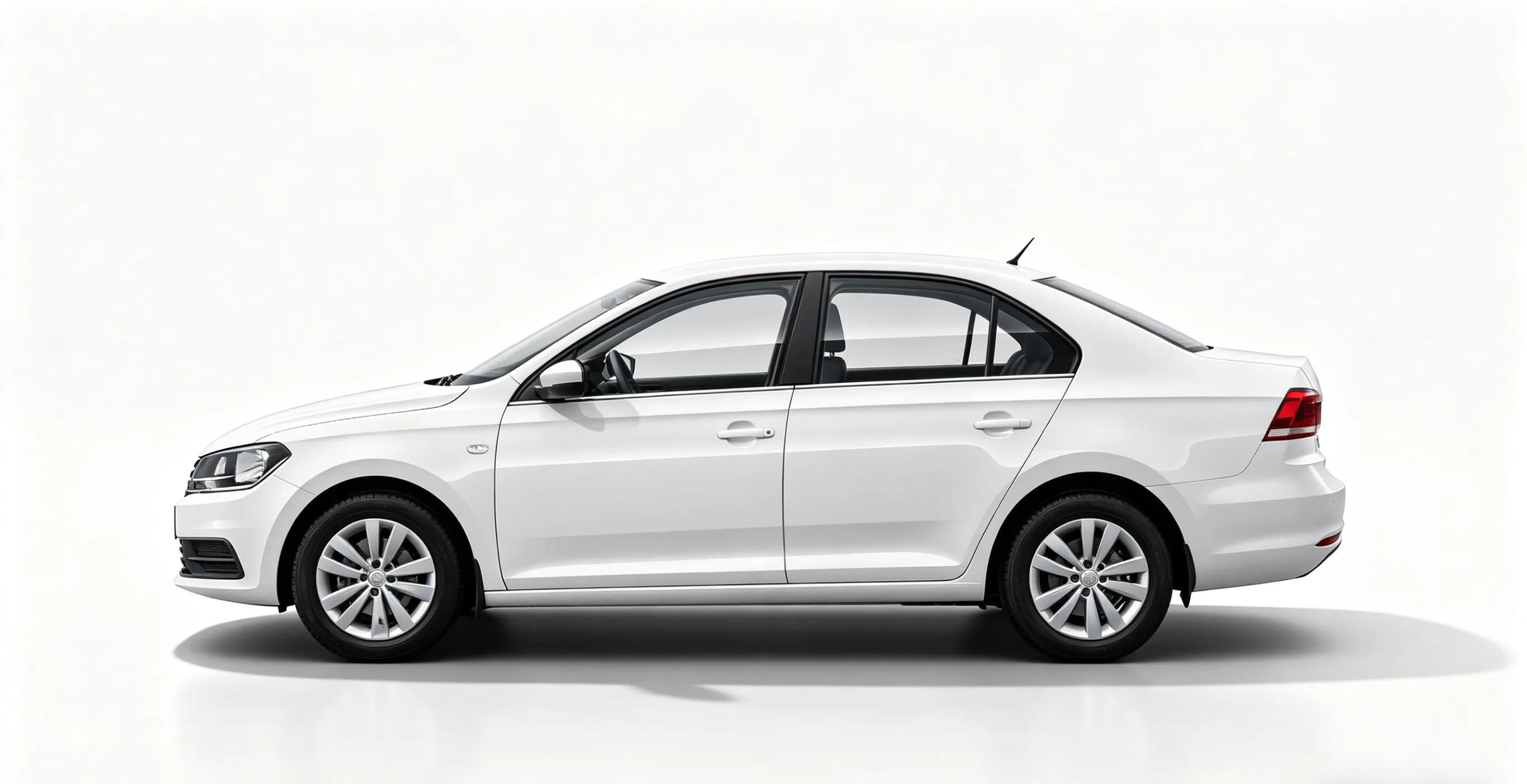
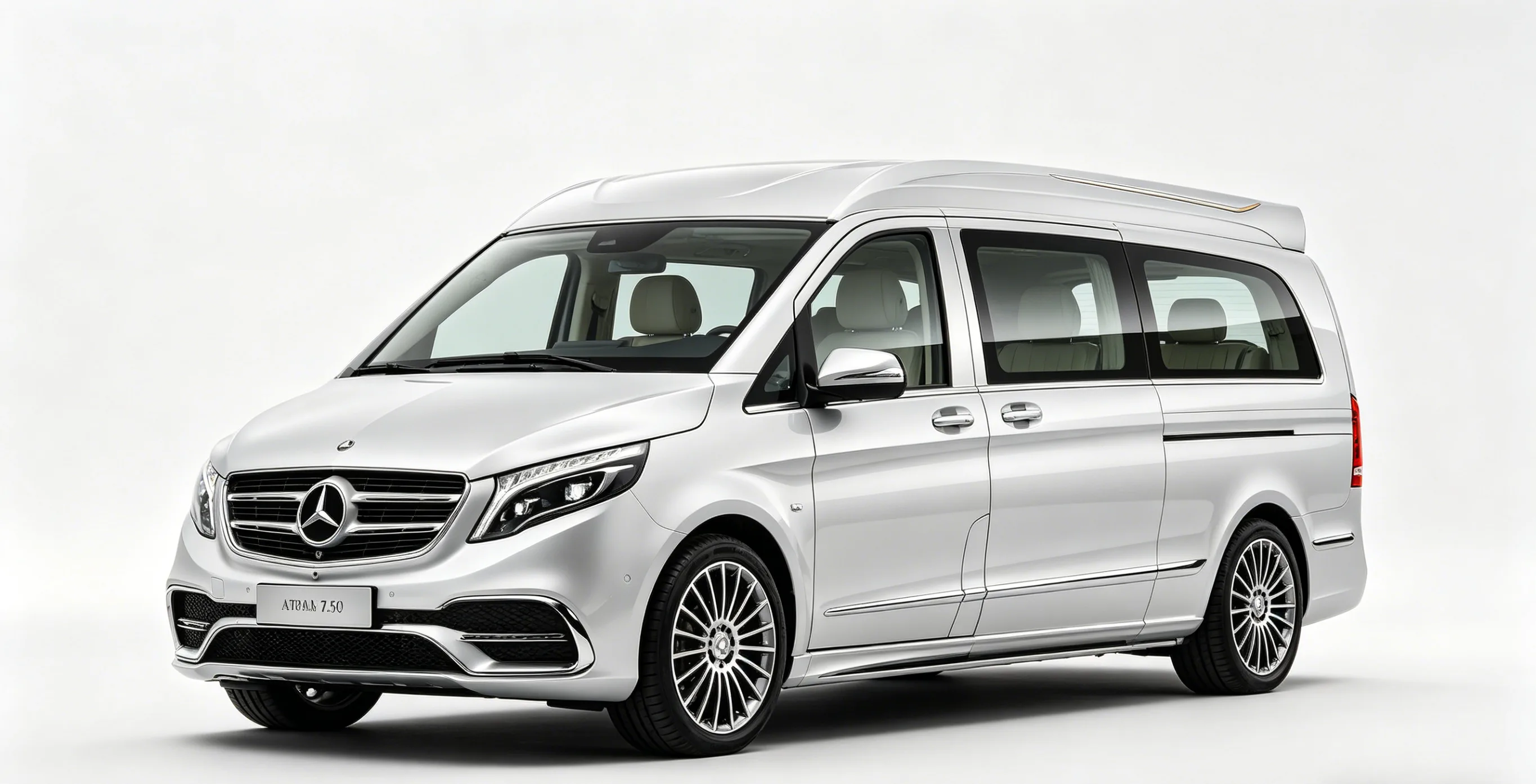
7-seater minivan/MPV (4-6 people, family trip): Approximately 1000-1200 RMB/8 hours
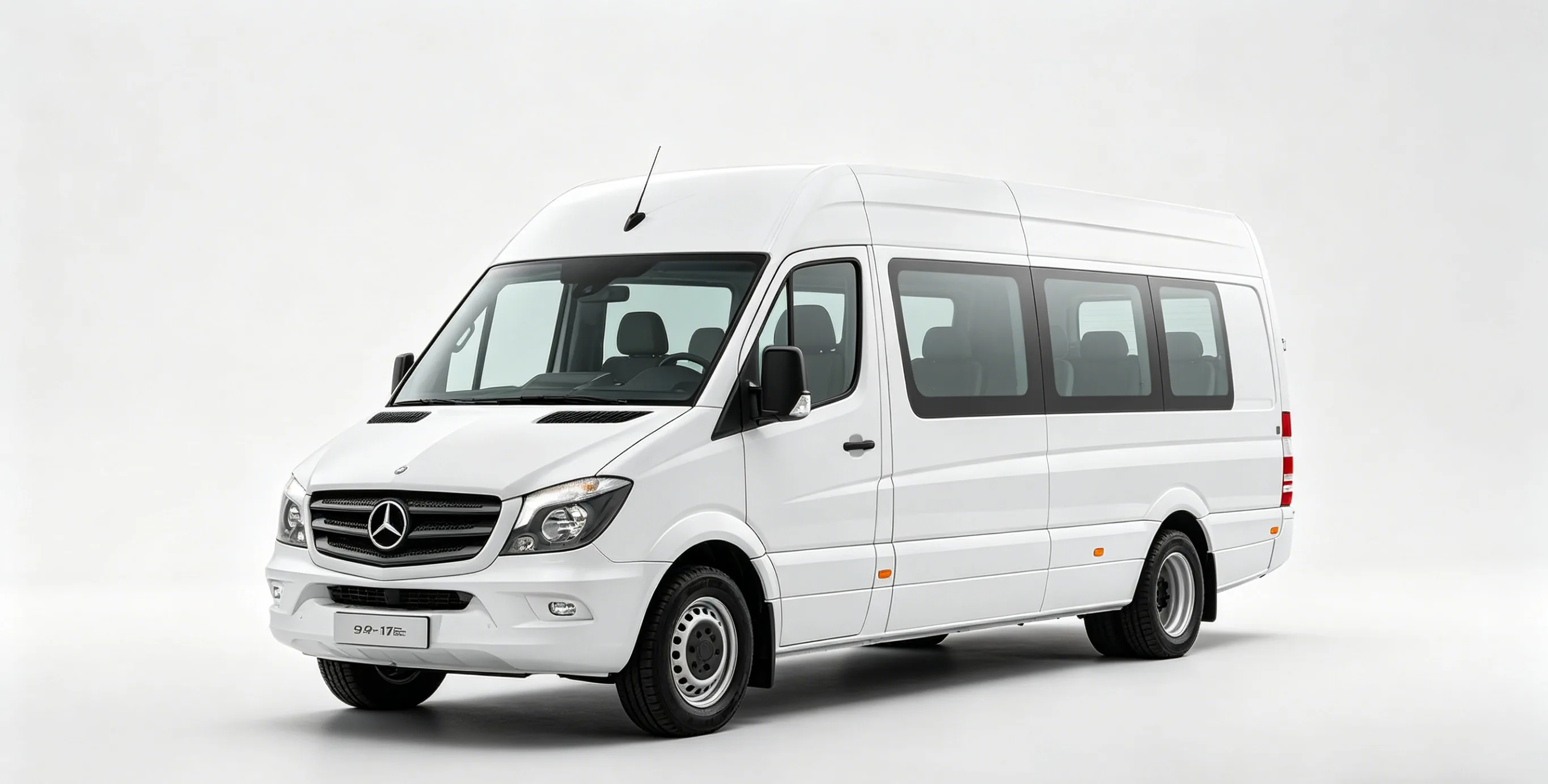
9-13 seater minibus (6 or more people): Approximately 1400-2000 RMB/day
Beyond the standard package (8 hours or 100 kilometers):
Overtime fee: Approximately 100 RMB/hour
Excess mileage fee: Approximately 2-5 RMB/kilometer
If you choose to charter a car, you can learn how to choose a car for your multi-day trip in Beijing by booking a one-day car rental in the city. If you prefer independent travel but are worried that some attractions are too far away, you can choose to spend a day chartering a car to visit them. If you prefer the comfort of a multi-day trip, you can also choose to charter a car for multiple days.
Hidden fees that they won't tell you unless you ask.
This is the root of almost all car rental disputes. Cheap quotes often hide traps.
1. Tolls (Highway Fees): Going to the Great Wall or Badaling requires taking the highway, costing approximately 40-60 yuan round trip. A day trip to the suburbs might cost 100-150 yuan in tolls. When booking, be sure to ask whether the price includes tolls. Whether it's "included" or "not included," make sure it's written in the contract.
2. Parking Fees: Parking fees at Beijing's scenic spots are calculated hourly. Parking at the Summer Palace costs approximately 6-12 yuan per hour, and at the Temple of Heaven Park, it costs approximately 5-10 yuan per hour. If you park at 3-4 different locations a day, the total parking fees could reach 50-80 yuan. These fees are generally not included in the base price.
3. Driver's Meal Allowance: Many charter companies won't tell you this upfront, but they expect you to cover the driver's lunch expenses. The standard is usually 30-60 yuan per meal. This isn't mandatory, but it's a common practice. You should confirm whether it's included in the quote or if you need to pay separately.
4. Overtime/Excess Mileage Fee: If you are going on routes to the suburbs (such as to Chengde), the mileage can easily exceed 100 kilometers. The excess distance will be charged per kilometer, potentially amounting to hundreds or even thousands of yuan. Confirm the mileage standard before departure.
5. Night Service Fee and Holiday Surcharge: Many companies charge an additional 20%-50% for chartering a car between 10 PM and 6 AM. During peak seasons such as May Day, National Day, Spring Festival, and summer vacation, prices may increase by 30% to 60%, or even higher. If traveling during peak season, book at least one week in advance and lock in the price.
Language Issues: What if the driver doesn't speak English?
This is a major concern for many foreign tourists. To be honest, the vast majority of drivers in Beijing don't speak English, or only very basic English. Don't expect to be able to discuss the history of courtyard houses or why the bricks at Badaling are gray with them in English.Here are some ways to reduce communication problems with your driver:
Write down all the necessary information in advance:
The hotel's full name and Chinese address, the Chinese names of attractions, pick-up and drop-off times—write them on a piece of paper or save them in your phone's notes app. Show it to the driver, and he'll understand immediately.
Use translation apps
Google Translate and Microsoft Translate both support real-time conversation mode. After downloading, they can be used offline (if you don't have a local data plan). If you have WeChat, you can also translate chats within WeChat.
You can request an "English Speaking Driver" when booking.
Some platforms now list "English Speaking Driver" as a service provider. However, be aware that this service usually costs 20%-30% more. If you don't rely heavily on English, it's unnecessary to spend this extra money.
Here are the pinyin for some commonly used phrases:
“等一下” → děng yīxià
“请停在这里” — qǐng tíng zài zhèlǐ
“我要去厕” — wǒ yào qù cèsuǒ
“我们霏当时出发? — wǒmen jǐ diǎn chūfā?
Before you set off, use Baidu Maps or Gaode Maps to search for the Chinese names of all the places you want to go, and save screenshots. The driver will know where to go just by looking at the screenshots—it's much clearer than explaining with English words and gestures.
Recommended Apps/Websites/Emergency Contact Methods
The following tools and platforms may be useful when traveling in Beijing; you can download them in advance:
Essential Apps
Didi (International Version): The most important ride-hailing app. You can register with an international mobile number and link an international credit card. The interface is entirely in English; you can also find your destination by directly entering the pinyin name. This step is especially crucial if you have trouble with WeChat/Alipay.
Alipay (International Version): Used for payments, ride-hailing, and booking group tickets, but you need to complete passport verification. Domestic policies are becoming increasingly friendly to overseas tourists, and Alipay is simplifying this process. If you have trouble with verification, remember to prepare cash.
Baidu Maps/Amap: Install the Chinese map app beforehand. Amap is much more accurate than Google Maps in urban areas, provided you have a local data SIM card or eSIM.
Google Translate/Microsoft Translate: Download the Chinese and English language packs beforehand; they can be used offline.
China Railway 12306: This is the official channel for booking high-speed rail tickets.
Emergency Contact
General First Aid/Police Calls within China: 110 (Police), 120 (Ambulance)
Beijing Tourism Complaints and Assistance: 12345 (You can call and ask for a transfer or someone to pick you up in English)
Airport Flight Information – PEK (Beijing Capital International Airport): 010-96158; PKX (Beijing Daxing International Airport): 010-96158 (General hotline, same as Beijing Capital International Airport)
Recommended private car rental itineraries in Beijing
If you are interested in private car hire for Universal Studios Beijing, we recommend:
Universal Studios Beijing Tour - Private Car Day Trip
If you are interested in the Great Wall and enjoy visiting ancient towns, then we recommend:
Simatai Great Wall Tour Beijing to Gubei Town
In Beijing, hiring a car is a tool, not a "value-added service" touted by travel agencies. It solves specific travel problems: long distances, multiple transfers, tight schedules, heavy luggage, and fatigue for the elderly and children. If you don't encounter these problems, hiring a car will only cost you more money and less freedom.
But if you do encounter these pain points—remember, the daily fuel cost of a car might be enough for a round-trip high-speed train ride to the Great Wall plus a Peking duck meal. The issue isn't the quality of the car, but what you gain in return: less travel fatigue? More time to see the sights? Or finally, no more dragging your suitcase around the airport terminal late at night waiting for a bus?
Frequently Asked Questions
What is a private car charter in Beijing?
In Beijing, a private car charter usually means booking a car with a driver for a fixed route or a full day. It is mainly used for convenience and time savings rather than luxury, especially on long sightseeing days.
Do I need a private car charter for my whole Beijing trip?
Usually no. For many travelers staying about five days, one or two charter days are enough, such as an airport transfer, a Great Wall day trip, or a hotel change day with heavy luggage.
When is the best time to hire a private car in Beijing?
A private car is most useful on days with long distances or multiple stops. Common examples include visiting the Great Wall, transferring between hotels with luggage, or combining attractions that look close on a map but take 40 minutes or more by road.
Can I visit the Great Wall from Beijing without a private car?
Yes, but transport can take up much of the day. If you plan to spend only around two hours at Badaling, a private car can reduce transfers and make the day less tiring.
Is a private car charter better than the subway in Beijing?
Not always. The subway is extensive and works well for many central sightseeing days, but a charter is better when your itinerary is fragmented and you would otherwise spend too much time checking maps, hailing taxis, and crossing the city.
More to Read

Plan Your Trip
Let us design your perfect China journey
Our trip designers respond within 24 hours with a personalized itinerary and quote.