
This article explains who Yunnan's off-the-beaten-path travel is best for and why chartered cars are the most practical way to reach scattered villages, ancient towns, and mountain routes.
This guide explains Yunnan off-the-beaten-path travel based on local expertise and practical tips from experienced guides. It covers which travelers benefit most from a chartered car and why private transport works better than public transit for scattered villages, ancient towns, tea areas, and mountain roads.
Yunnan Province is one of the most geographically and culturally diverse provinces in China. The vast majority of first-time Chinese and foreign tourists choose the "golden route" of Kunming, Dali, Lijiang, and Shangri-La. But what truly leaves travelers with unforgettable memories are often the quieter, more pristine, and more vibrant small towns, ancient villages, terraced fields, and mountain roads.
What kind of tourists are suitable for off-the-beaten-path travel in Yunnan?
Yunnan's off-the-beaten-path destinations aren't for those who just want a quick checklist. They're better suited for travelers who want to slow down, experience local life, and appreciate natural scenery and cultural details.
Suitable for:
Tourists visiting China for the second time who want to avoid overly popular routes;
Tourists visiting Yunnan for the first time who don't want to just see the main streets of Dali and Lijiang;
Those who enjoy ancient towns, villages, lakes, tea plantations, and ethnic minority cultures;
Photography enthusiasts who want to see quieter mornings, sunsets, and rural scenery;
Families or small groups who want to minimize transfers and waiting times;
Those wanting to take in-depth trips around Dali, Lijiang, Kunming, or Pu'er;
Those interested in the Ancient Tea Horse Road, and the cultures of the Bai, Naxi, Hani, and Yi ethnic groups.
If tourists only plan to stroll around Kunming city, Dali Old Town, or Lijiang Old Town, they don't actually need to hire a car. Hiring a car in Yunnan is more suitable for travel outside cities, between ancient towns, through mountain villages, and for cross-regional travel.
Why are less-visited destinations in Yunnan more suitable for chartered car services?
The biggest characteristic of off-the-beaten-path travel in Yunnan is that it is "beautiful, but scattered." Many destinations are worth visiting on their own, but public transportation is not convenient—few services, many transfers, and inconvenient to carry luggage.
Specific problems that chartering a car can solve:
Direct departure from the hotel, eliminating the need for repeated trips to the bus station;
Connecting multiple towns, villages, and viewpoints;
Easy to carry luggage;
Adjustable stop time based on weather, lighting, and tourist stamina;
Suitable for photographers to stop by the roadside, lakeside, and village entrances—stop whenever a good view appears;
Reduces language barriers and the burden of using Chinese transportation apps (such as Didi, Gaode Maps, etc.);
Suitable for seniors, children, or tourists who don't want frequent transfers;
Chartered drivers are usually familiar with the roads;
8 carefully selected off-the-beaten-path destinations
1. Jianshui – A perfect blend of history, ancient architecture, and a slow-paced lifestyle
Who is it suitable for: Culture lovers, ancient architecture enthusiasts, foodies, family travelers, and people who enjoy quiet walks.
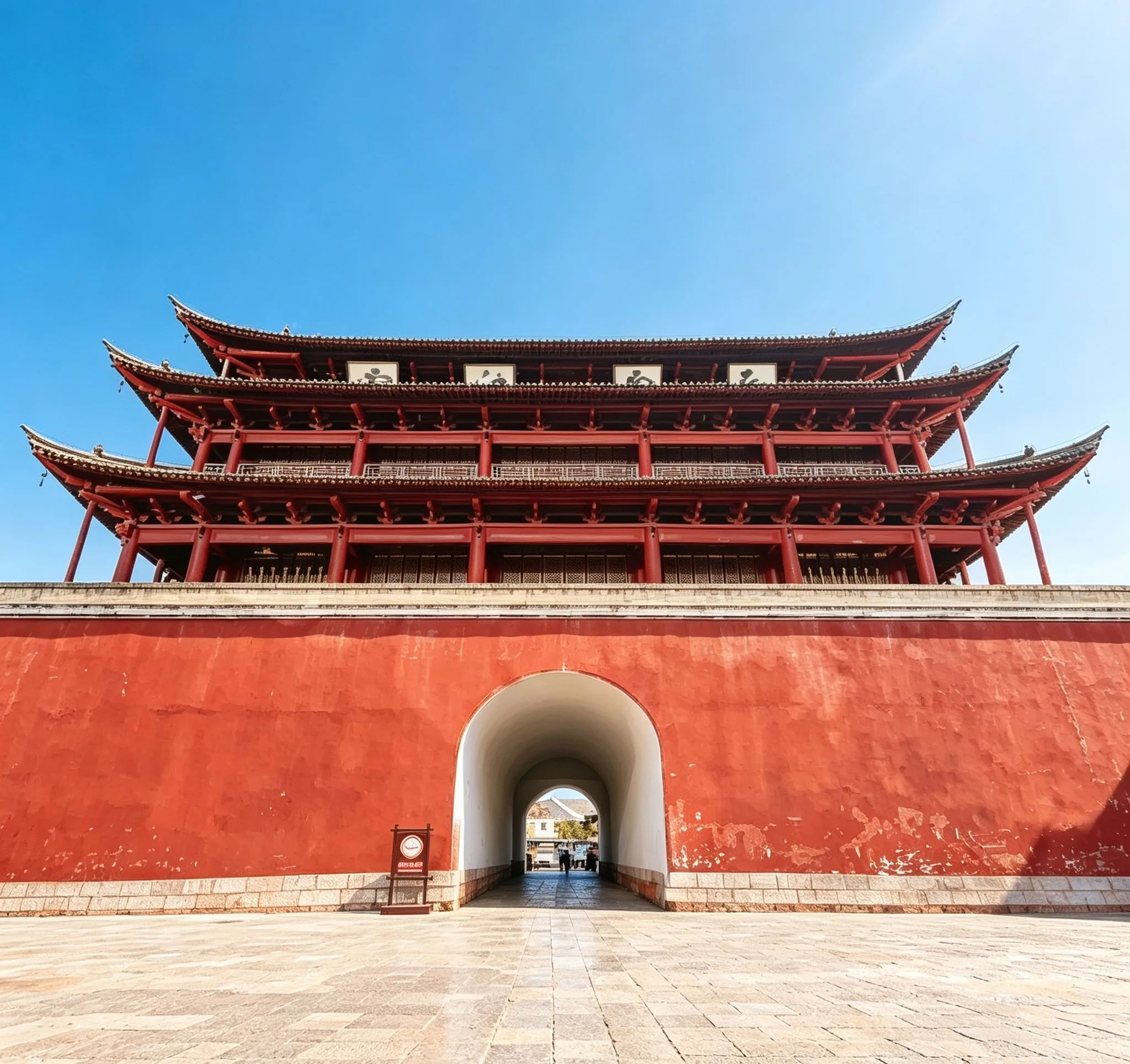
The ancient city gates, Confucian temple, Zhu Family Garden, and Qing Dynasty residences in Jianshui all retain an authentic atmosphere of daily life. Jianshui tofu is a specialty of Yunnan, and the street-side grilled tofu stalls are social gathering places worth sitting down and experiencing.
Key Highlights
Jianshui Ancient City: Free admission. The main streets are pedestrianized. It's recommended to visit in the early morning or evening to avoid the midday sun.
Zhu Family Garden: A wealthy merchant's residence from the late Qing Dynasty, blending Jiangnan and Yunnan styles. Tickets are required, and a guided tour is highly recommended (in Chinese; translation apps are available).
Jianshui Confucian Temple: Second in size only to the Confucius Temple in Qufu, it features a Pan Pool and ancient cypress trees, allowing visitors to experience the influence of Confucianism in the frontier region.
Shuanglong Bridge: Located in the west of the city, free admission. Best time for photography is around sunset.
Tuanshan Folk Village: About 13 kilometers from the ancient city, it's a well-preserved Han Chinese immigrant village characterized by its "buildings within buildings and courtyards within courtyards." A chartered vehicle is required to reach it.
Transportation
It only takes 2-2.5 hours to drive from Kunming to Jianshui Ancient City.
Local restaurants mostly serve steamed chicken in a clay pot, grass sprouts, and grilled tofu, with a preference for mild flavors.
2. Yuanyang Rice Terraces – A pilgrimage site for photographers
Suitable for: Scenery and nature lovers, people who like unique landscapes, and people who are willing to get up early to wait for the sunrise.
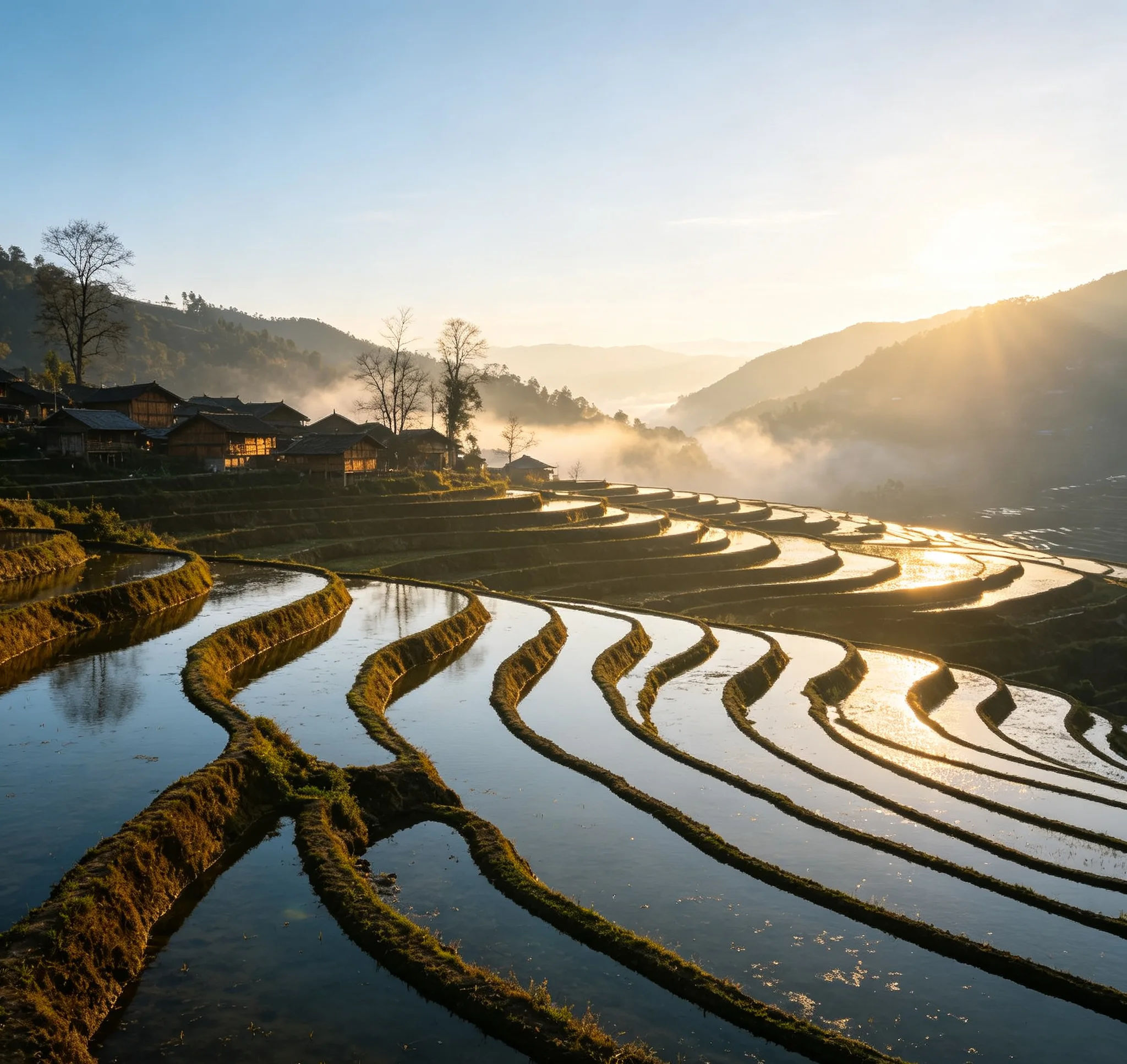
The Yuanyang Hani Rice Terraces are a World Cultural Heritage site, renowned for their beauty achieved through the combination of paddy fields, clouds and mist, light and shadow, and ethnic villages. Irrigation takes place from November to April each year, during which the terraces reflect the morning and evening light like mirrors, creating a rich tapestry of colors.
Key Viewpoints
Duoyishu Terraces: Prime sunrise viewpoint; frequent cloud cover and mist. Multiple viewing platforms; advance booking recommended.
Bada Terraces: Sunset viewpoint; expansive views, terraces extending into the valley.
Tiger's Mouth (depending on opening hours): Formerly a classic sunset spot, but recent geological hazards suggest it may be dangerous; inquire with local authorities beforehand.
Aichunlan Terraces: The rice paddies appear blue under specific morning lighting; less popular.
Hani Villages (e.g., Azheke): Preserves mushroom-shaped houses; accessible on foot for a taste of traditional life.
Transportation
The drive between viewpoints in Yuanyang often takes 20-40 minutes, and the mountain roads are winding. It takes about 4.5 hours from Kunming to Yuanyang, about 1.5 hours by high-speed rail to Jianshui, and then about 2.5 hours by chartered car to Xinjie Town in Yuanyang. The four main viewpoints are scattered in different directions, and there are no regular bus services. Chartering a car within the scenic area is the most convenient option.
Most accommodations are located on the mountainside or in villages, and vehicles may not be able to reach the door directly, so it's best to ask about the walking distance in advance.
3. Weishan – The most underrated day trip from Dali
Suitable for: People who want to stay in Dali for a few more days and want to try something different; travelers who enjoy visiting farmers' markets, eating local snacks, and seeing old houses.
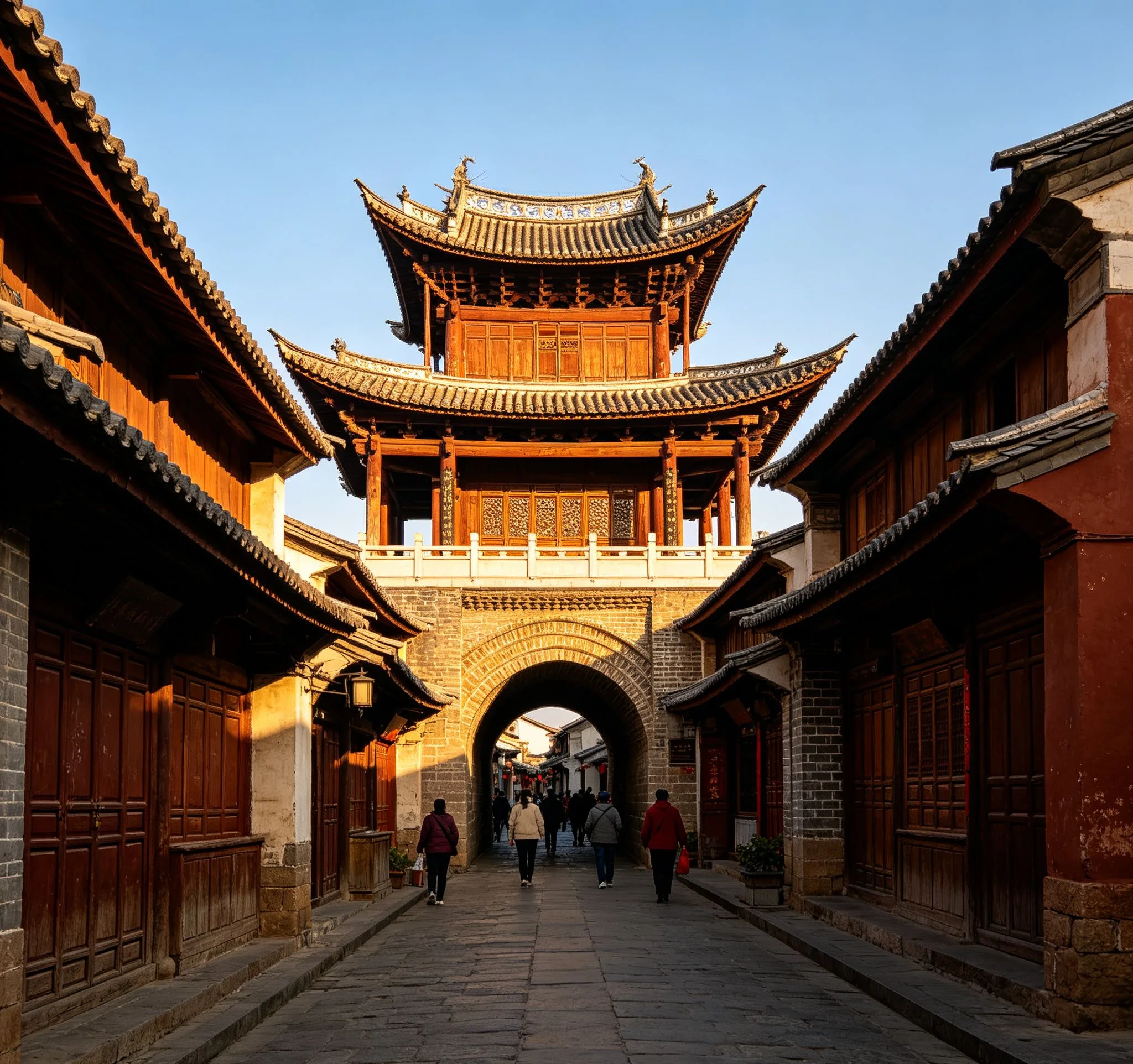
Weishan is the birthplace of the Nanzhao Kingdom, and its ancient city is more pristine than Dali's. The shops lining the main street still serve local residents—selling farm tools, herbs, candied fruits, and handmade noodles. Weishan braised pork rice noodles are a famous Yunnan snack, with tender meat and a rich broth. North of the ancient city lies Weibaoshan, a renowned Taoist mountain with ancient temples from the Ming and Qing dynasties, perfect for a half-day hike.
What's worth seeing in Weishan?
Nanzhao Culture: Weishan has a close historical relationship with the Nanzhao Kingdom, making it suitable for tourists interested in Yunnan history. It adds a cultural dimension beyond Dali.
Old Streets and City Gates: Weishan Ancient City features old streets, city gates, and traditional alleyways, perfect for leisurely strolls. It's less commercialized than popular ancient cities.
Weishan Local Delicacies: Weishan is great for food experiences, such as braised pork rice noodles, local rice noodles, snack stalls, and restaurants in the old streets. For foreign tourists, these places offer a more authentic experience than trendy restaurants.
How to best enjoy your trip?
Weishan is suitable for a half-day or full-day trip from Dali. You can depart at 9:00 AM, have lunch in Weishan enjoying local snacks, and return to Dali in the afternoon or continue in another direction. Motor vehicles are prohibited within the ancient city; it is recommended to park outside and enter on foot.
Transportation and Distance
From Dali: Take the high-speed train to Weishan Station (about 30 minutes), then take a taxi for 10 minutes into the city. Chartering a car saves time waiting for buses and transfers, and allows for flexible stops at Weibaoshan or Donglianhua Village, areas where public transportation is extremely inconvenient.
There's a market every Sunday, which is very lively, but traffic can be congested, so it's recommended to leave early. Weishan Ancient City is free to enter, but Weibaoshan Mountain requires a ticket.
4. Tengchong – Heshun Ancient Town + Volcanic Geothermal Park
Who is it suitable for: History and culture lovers, geological and natural wonder seekers, hot spring healing travelers, families, and people who enjoy slow-paced, in-depth travel.
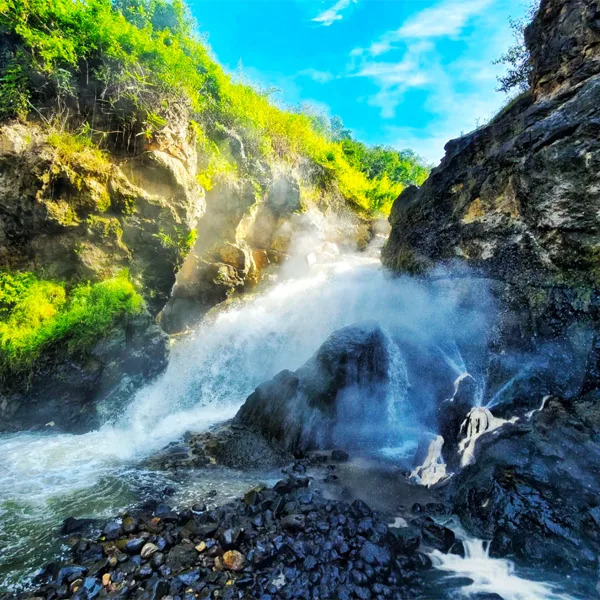
Tengchong, located in western Yunnan Province near the Myanmar border, is a unique small town that blends border scenery, overseas Chinese culture, volcanic geology, and hot spring health resorts. The Tengchong Volcanic Geothermal National Geopark is a rare spectacle in China where volcanoes and geothermal activity coexist, boasting 97 Cenozoic volcanoes and year-round boiling geothermal hot springs.
What's worth seeing in Tengchong?
Heshun Ancient Town: Quieter than Lijiang and Dali, featuring overseas Chinese culture, a library, old houses, and waterside villages. Entrance fee is 55 yuan; it's recommended to spend a full day exploring.
Rehai Hot Springs: Tengchong boasts abundant hot spring resources, making it ideal for winter travel. Rehai is a representative hot spring resort.
Volcanic Geological Landscapes: Featuring volcanic landforms and geological landscapes.
Beihai Wetland: Ideal for viewing wetlands and natural scenery.
Why is hiring a car the best way to explore Tengchong?
Tengchong's three core attractions—Heshun Ancient Town, the Volcanic Geological Park, and Rehai Scenic Area—are located in different directions from the city center and are some distance apart. While public transportation exists (such as buses and tourist lines), the frequency is limited and it cannot connect multiple attractions.
How to best enjoy Tengchong?
A minimum of 2-3 days is recommended. It's not suitable for a short trip to Dali and Lijiang; it's better suited as an in-depth destination in western Yunnan.
5. Baisha Ancient Town & Yuhu Village – The Naxi Hometown Closest to Jade Dragon Snow Mountain
Who is this suitable for: cultural enthusiasts, photographers, people who enjoy the atmosphere of quiet ancient towns, travelers who want to avoid the hustle and bustle of Lijiang Ancient Town, and people interested in Naxi culture.
Baisha Ancient Town and Yuhu Village are both located near Lijiang. Compared to Lijiang Old Town, they are quieter and more suitable for experiencing Naxi culture and the backdrop of Jade Dragon Snow Mountain.

What's worth seeing?
Naxi culture and murals: Baisha is an important area of Naxi culture and was once the original capital of the Naxi Kingdom.
Snow-capped mountain views: On a clear day, Baisha offers a stunning backdrop of Jade Dragon Snow Mountain, perfect for photography.
Yuhu Village, located at the foot of Jade Dragon Snow Mountain, features distinctive stone houses, village roads, and a beautiful snow-capped mountain backdrop.
Transportation and Distance
From Lijiang: Baisha Ancient Town is about a 40-minute drive from Lijiang Ancient City. Yuhu Village is about a 20-minute drive from Baisha.Seamless chartered car service: Easily complete the "Lijiang → Baisha → Yuhu → back to Lijiang" route in one day without worrying about waiting for a car or transferring.
How to best enjoy the trip?
Baisha and Yuhu Village can be visited in half a day or a full day. It's recommended to go to Baisha in the morning and Yuhu Village in the afternoon, or combine them with a trip to Yulong Snow Mountain.
6. Puzhehei – A Slow-Motion View of Karst Countryside
Who is it suitable for: travelers who love the scenery of water towns and do not want to climb mountains, families, people who enjoy boating and wetland ecology, and in-depth travelers who want to escape popular routes.
Puzhehei, located in Wenshan Prefecture, Yunnan Province, is a less-traveled destination suitable for tourists who appreciate nature, villages, and lake scenery. It shares some similarities with Guilin and Yangshuo—both feature karst peaks and waterways—but Puzhehei is more rural and quieter.

What's worth seeing in Puzhehei?
Lakes and Karst Peaks: The heart of Puzhehei is its lakes, wetlands, peaks, and villages. It's perfect for boating, walking, and photography.
Villages and Countryside: The villages, fields, and waterfront life here are ideal for slow travel. Don't treat it like a typical tourist attraction with a quick in-and-out pace.
Seasonal Scenery: Summer is famous for its lotus flowers, but the lakes and peaks can be enjoyed in other seasons as well. Foreign tourists should familiarize themselves with the seasonal differences beforehand and not expect year-round scenery from summer photos.
Practical Scenarios for Chartering a Car
Puzhehei has a high-speed rail station (Puzhehei Station), about a 1.5-hour train ride from Kunming. However, the station is about 20 kilometers from the scenic area, and the various attractions within the scenic area (Xianrendong Village, Puzhehei Village, Qinglong Mountain, Swan Lake, Bailong Lake) are quite far apart, with limited shuttle bus services. A chartered car driver can pick you up at the high-speed rail station and then take you to your accommodation, the pier, and viewpoints in sequence, waiting for you at the agreed time.
The lotus flowers are most beautiful during the lotus season (June-August), but there are many tourists. In September and October, there are fewer people and the sky is clear and the clouds are high.
7. Nuodeng Ancient Village – A thousand-year-old Bai ethnic village hidden in the mountains
Nuodeng Ancient Village, located in Yunlong County, Dali, is a more secluded and tranquil Bai ethnic minority village. It is famous for its salt well history, mountain village setting, and Nuodeng ham. It is not a typical "refined ancient town," but a genuine mountain village.
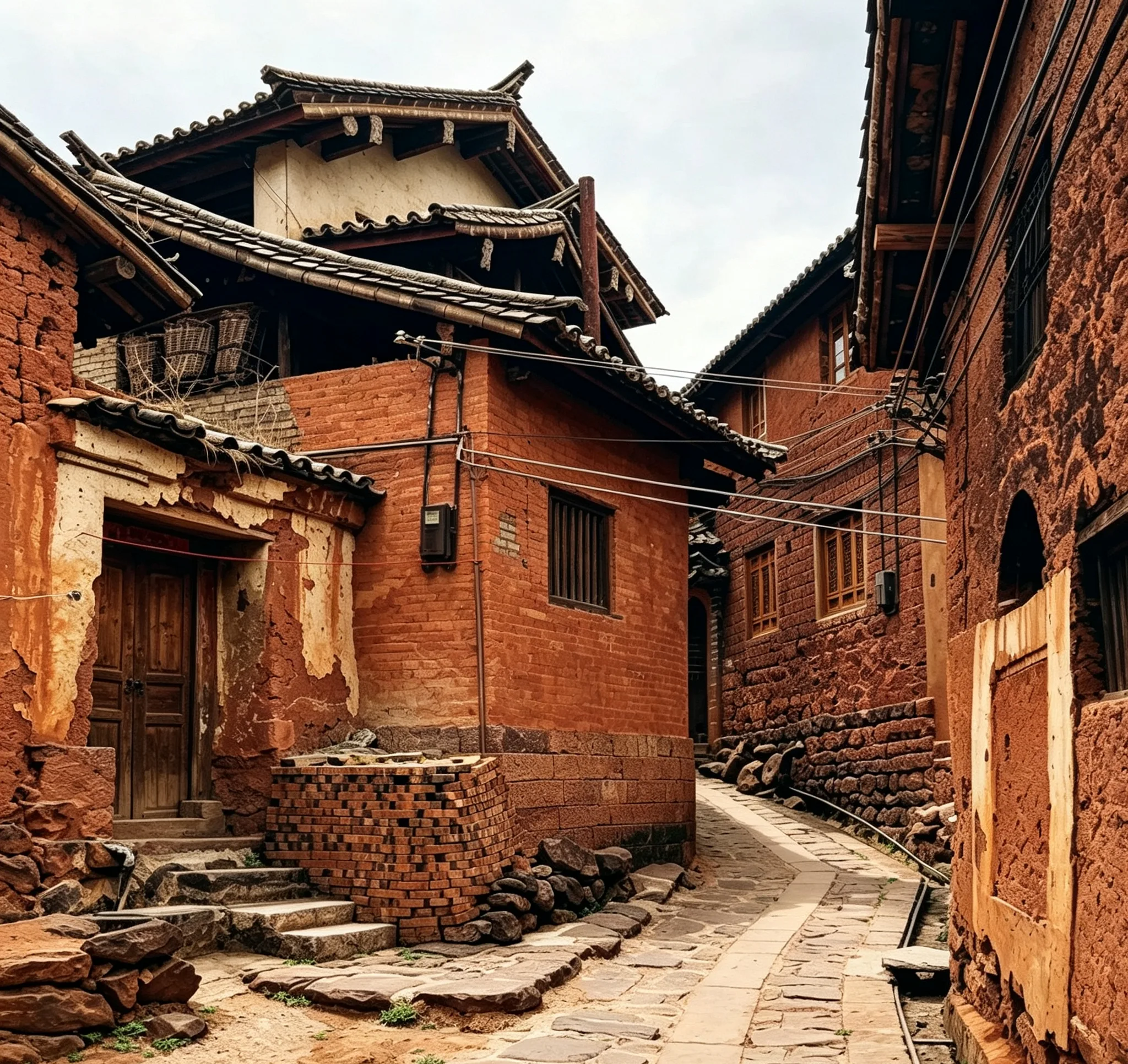
What's worth seeing in Nuodeng?
A Bai ethnic village nestled on a hillside: Nuodeng village is built into the mountainside, with stone-paved roads, old houses, ancestral halls, and terraced hillsides unfolding in layers. Visitors need to walk uphill, making it more suitable for travelers with good physical fitness.
The history of salt wells and ancient roads: Nuodeng prospered due to the salt industry, with a recorded history of 1146 years. It's a good place to learn about Yunnan's inland trade, salt well culture, and the history of Bai ethnic villages.
Nuodeng ham: Nuodeng ham is a representative local food. For foreign tourists, it's a starting point for understanding local cuisine and mountain life.
Transportation and Distance
Nuodeng is quite far from Dali (approximately 2.5 hours by car from Dali), and public transportation is not very convenient for foreign tourists. Chartering a car allows you to travel directly from Dali towards Yunlong, with stops arranged according to road conditions. Due to the long journey, a day trip is not recommended—it's too rushed.
How to plan a less-traveled chartered car route in Yunnan?
Route 1: Kunming — Jianshui — Yuanyang (Culture + Terraced Fields, 3–4 days)
Suitable for first-time visitors to Yunnan who want to avoid overly popular spots.
Day 1: Pick up from Kunming Airport or High-Speed Railway Station and depart for Jianshui.
Day 2: Depart from Jianshui in the morning, first visit a village in Tuanshan Village, then head to Yuanyang.
Day 3: Early morning sunrise photography at Duoyishu Viewpoint.
Day 4 (Optional): If staying overnight in Yuanyang, you can photograph the sunrise again before returning to Kunming.
This route is suitable for travelers who enjoy the combination of historical architecture and natural landscapes and do not mind long-distance travel, especially photography enthusiasts.
Route 2: Dali — Weishan — Shaxi — Lijiang (slow travel through ancient towns, 4–5 days)
Day 1: Depart from Dali and tour along the west bank of Erhai Lake.
Day 2: Drive to Weishan Ancient Town in the morning.
Day 3: Depart from Dali to Shaxi.
Day 4: In the morning, you can continue exploring the surrounding villages of Shaxi or visit the Shibaoshan Grottoes.
Day 5: Free time in Lijiang, or continue north to Shangri-La.
This route takes no more than 3 hours to drive each day, making it suitable for slow travelers who prefer the atmosphere of small towns, don't rush to see the sights, and want to deeply experience the culture of the Ancient Tea Horse Road.
If tourists are interested in tea culture or hot springs and volcanoes, they can make separate arrangements for Pu'er or Tengchong. It is not recommended to cram them together with the short trips to Dali and Lijiang—the distance is too far and too much time will be spent on the road.
Pu'er Route (3-4 days): Pu'er City → Jingmai Mountain Ancient Tea Forest → Tea Factory Experience → Ethnic Minority Villages
Tengchong Route (3-4 days): Heshun Ancient Town → Rehai Hot Spring → Volcanic Geological Park → Beihai Wetland
Practical tips for travelers
1. Language Communication
Drivers generally have limited English proficiency. It is recommended to write down the daily itinerary, attraction names, and time requirements in Chinese in advance, save it in your phone's notes, and show it to the driver.
Download a translation app (such as Google Translate or Microsoft Translate) and download an offline Chinese language pack in advance.
2. Booking and Fees
Charter fees are usually calculated by day or kilometer and include fuel, tolls, and parking fees, but may not include the driver's meals and accommodation. It is recommended to book through travel agency recommendations or reputable platforms.
3. Road Conditions and Comfort
The roads in Yunnan's mountainous areas are winding and prone to motion sickness; it is recommended to bring motion sickness medication.
It is best to keep daily driving time under 4-5 hours; otherwise, the travel experience will be diminished.
4. Cash and Payments
WeChat/Alipay are widely used, so it is recommended to prepare some cash.
One-day chartered car tour recommendations
If you are interested in a day trip by private car, please contact us. We can customize an itinerary to suit your preferences. You can also choose your preferred destination in Yunnan for a day trip by private car.
Classic travel recommendations
Frequently Asked Questions
Who is off-the-beaten-path travel in Yunnan best for?
It suits travelers who want to slow down and explore beyond Kunming, Dali, Lijiang, and Shangri-La. The article specifically recommends it for second-time China visitors, photographers, families, small groups, and travelers interested in villages, lakes, tea plantations, and ethnic minority culture.
Do I need a charter car for Yunnan travel?
If you only plan to stay within Kunming city, Dali Old Town, or Lijiang Old Town, a charter car is usually unnecessary. It becomes much more useful for trips between ancient towns, mountain villages, rural scenic areas, and cross-regional routes where public transport involves multiple transfers.
Why are hidden destinations in Yunnan better reached by private car?
Many of Yunnan's quieter scenic areas are beautiful but widely scattered, with limited public transport and inconvenient connections. A charter car reduces waiting time, avoids repeated transfers, and makes it easier to carry luggage between stops on mountain and village routes.
What kinds of places does this Yunnan guide focus on?
The guide focuses on small towns, ancient villages, terraced fields, tea-growing areas, lakes, and mountain roads rather than standard city checklists. It also highlights deeper cultural travel connected to the Ancient Tea Horse Road and Bai, Naxi, Hani, and Yi communities.
Is a Yunnan charter car a good option for families or small groups?
Yes, the article identifies families and small groups as a strong fit because private transport minimizes transfers and waiting. That matters more on rural Yunnan routes, where destinations are spread out and public transport can be infrequent.
More to Read



Plan Your Trip
Let us design your perfect China journey
Our trip designers respond within 24 hours with a personalized itinerary and quote.