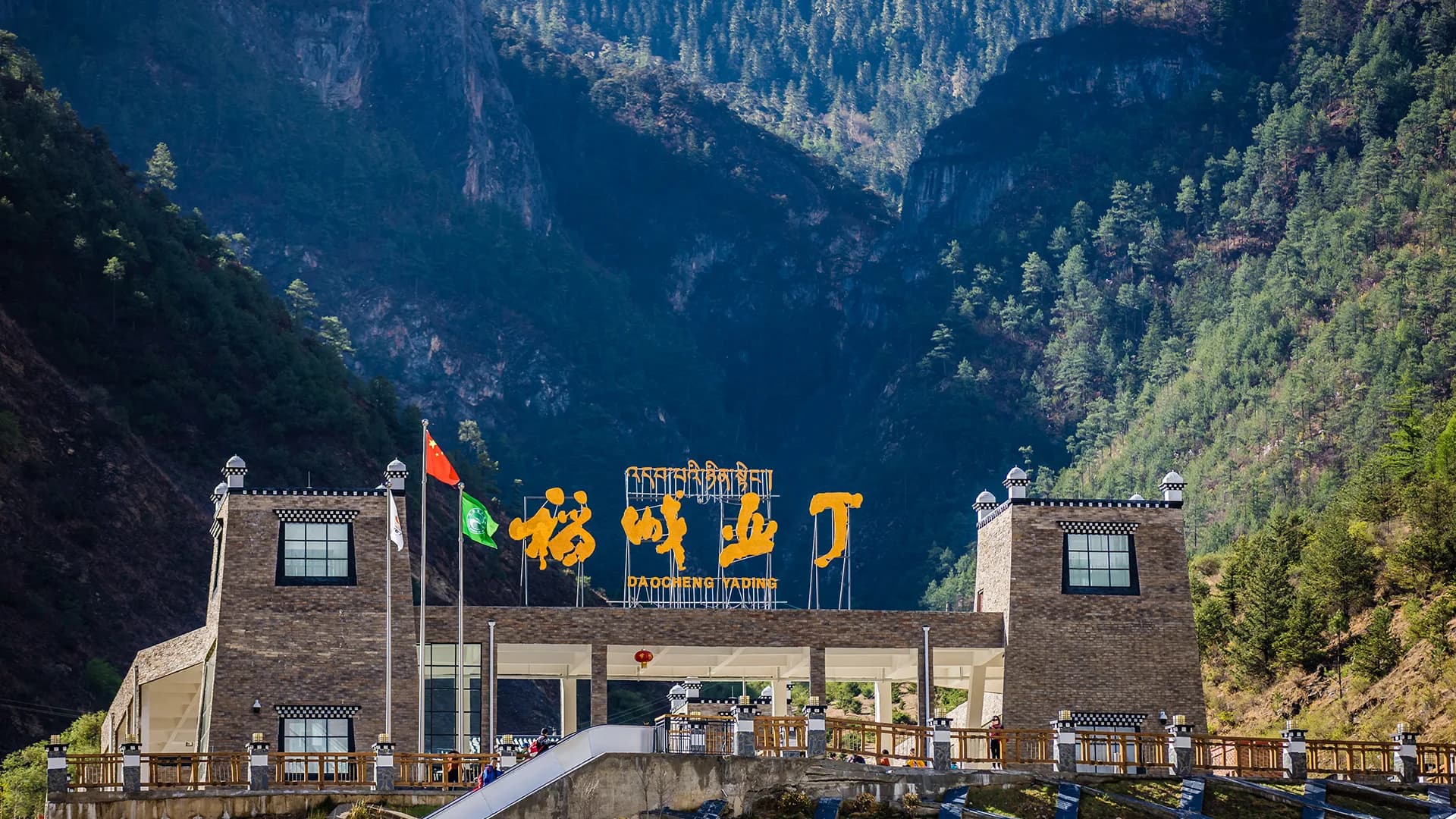
Daocheng Yading is not your average mountain resort. It's a scenic belt comprised of snow-capped mountains, lakes, meadows, and Tibetan villages on the western Sichuan plateau. For travelers, the biggest challenge here is often not distance or language—but altitude.
If you bring the pace of city travel to Daocheng Yading, you're likely to experience headaches, fatigue, and insomnia on your first day, forcing you to stay in your hotel and miss out on the scenery.
A wiser approach is to accept this: at high altitudes, "slow" is true speed.
This guide will be based on practical experience, showing you how to visit scenic spots, choose transportation, and plan routes to conserve your energy for the most beautiful scenery, rather than wasting it on the journey or suffering from altitude sickness.
What kind of place is Daocheng Yading?
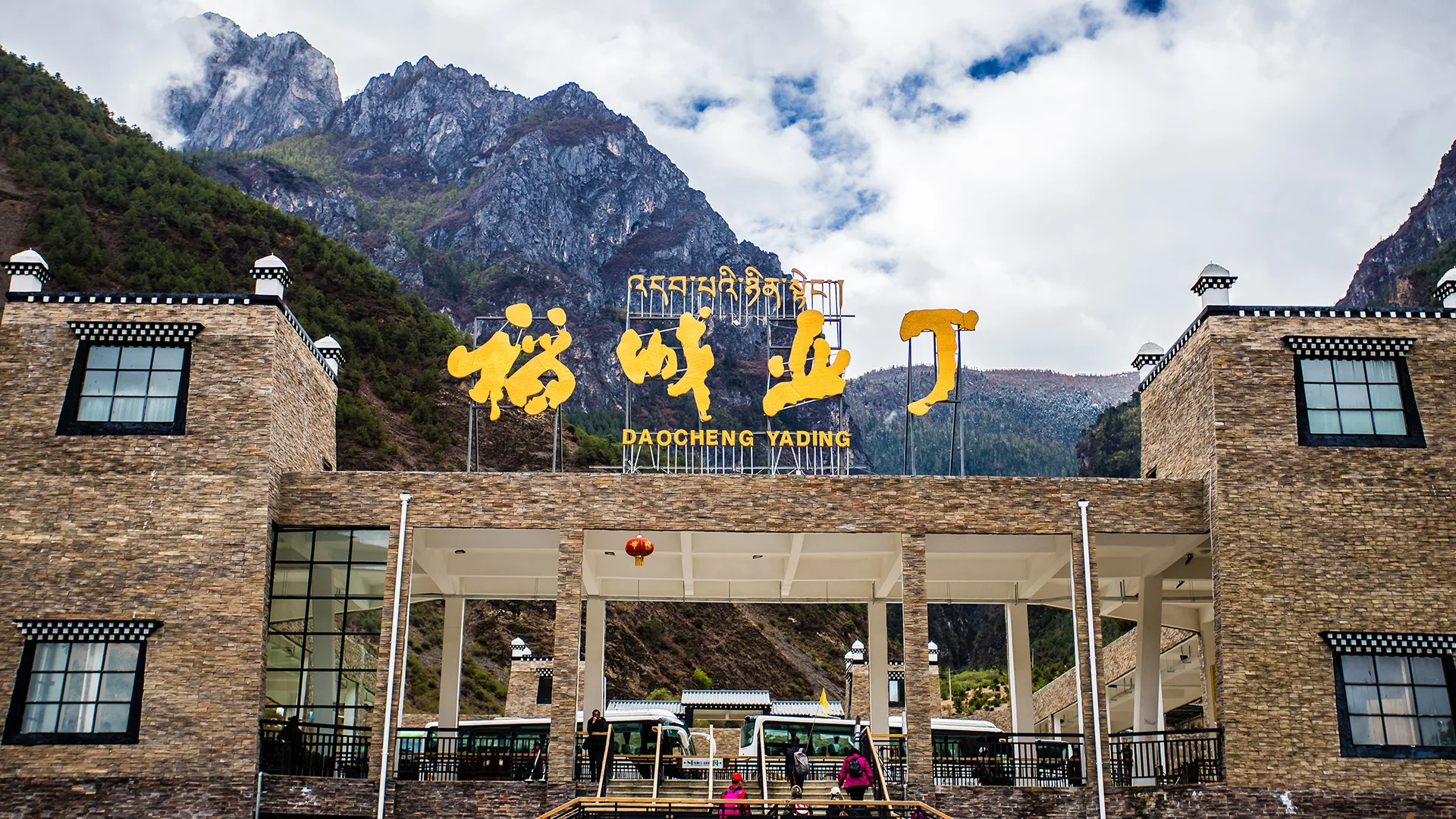
The core of Daocheng Yading is a high-altitude valley system, ranging in elevation from approximately 2,900 meters to 4,700 meters. Upon entering the scenic area, you'll need to transfer to a sightseeing bus and then proceed on foot. The experience here isn't simply about "arriving—taking photos—leaving," but rather about walking, acclimatizing, and patiently waiting for the weather.

Who would prefer this place?
For those who love snow-capped mountains, lakes, forests, and plateau scenery—this landscape combination is highly representative of western China.
For those interested in photography and outdoor hiking—even short routes offer many photogenic angles.
For those wanting to experience the nature and culture of western Sichuan and Tibet—the Tibetan villages, prayer flags, and white stupas along the way are unique cultural elements.
For those who have already visited Chengdu, Lijiang, and Shangri-La and want to see more of western scenery—Daocheng Yading is more pristine and tranquil than these places.
The core landscape of Daocheng Yading
Three sacred mountains
Xiannairi(仙乃日) – The easiest snow-capped mountain to see. Its reflection can be seen from the direction of Pearl Lake, making it a good spot to admire on the first day of entering the scenic area.
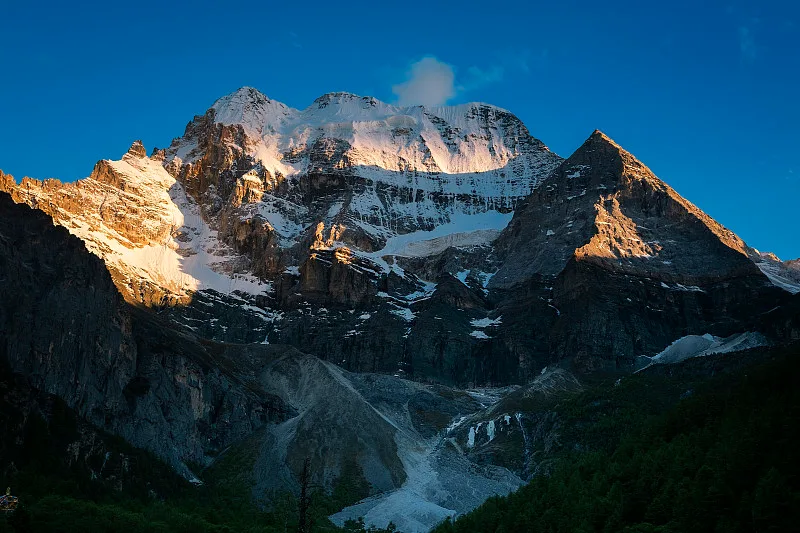
(Image source: Internet)
Yangmaiyong(央迈勇) – Its shape is exceptionally elegant; many travelers consider it the most beautiful of the three sacred mountains. The best viewing point is from the direction of Luorong Pasture.
Xianuoduoji(夏诺多吉) – Often seen alongside canyons and meadows, adding depth and dimension to the entire Yading landscape.
Yading Scenic Area: Short-distance vs. Long-distance, which to choose?
Short Route (Chonggu Temple — Pearl Lake)
Difficulty: Low to Moderate
Altitude: Approximately 4000–4100 meters
Hiking Time: 2–3 hours (including stops)
Suitable for: First day in the scenic area, average physical condition, traveling with family, unpredictable weather
Scenery: Views of Mount Xiannairi and Pearl Lake
Long Route (Luorong Pasture — Milk Lake — Five-Color Lake)
Difficulty: High
Altitude: Ascends from approximately 4200 meters to 4700 meters
Hiking Time: 6–8 hours round trip
Suitable for: Those who have completed the short route and are in good condition, without significant altitude sickness, and in clear weather
Scenery: More breathtaking. The colors of Milk Lake and Five-Color Lake are beautiful under the sunlight.
Very important reminder:
Milk Lake and Five-Color Lake are not "must-do" attractions. Many travel guides list them as must-sees, but in high-altitude areas, safety is always the top priority.
Please do not hike long distances if you experience: significant headache, nausea, chest tightness, difficulty breathing, or leg weakness.
The experience of long distance hikes will be significantly diminished in bad weather (heavy rain, dense fog, strong winds), and the slippery paths will make them even more dangerous.
You can ride a horse for a section (from Luorong Pasture to near Milk Lake), but you will still need to hike the final steep section on your own.
The most important decision: How to get to Daocheng Yading?
The Most Important Decision: How to Get to Daocheng Yading?
There are three main ways to get to Daocheng Yading from Chengdu: by plane.
By Plane (Chengdu → Daocheng Yading Airport)
Advantages: Fast. The flight time is approximately one hour, ascending from an altitude of 500 meters to 4411 meters (one of the highest civilian airports in the world).
Disadvantages: Drastic altitude change. Many travelers experience significant altitude sickness within hours of landing, with symptoms including headache, nausea, and shortness of breath. You may need to rest in your hotel for a full day, or even longer.
Suitable for: People with extremely limited time (e.g., only 3-4 days) who are well-prepared to cope with altitude sickness. However, it is not recommended as the first choice for a first-time high-altitude trip.
Besides airplanes, there are also bus options, but these are more complicated for foreign tourists. Chinese tourists can also choose to travel by car to explore western Sichuan.
How do I get to Daocheng Yading Scenic Area?
The distance from the airport to Yading Scenic Area (where the visitor center is located in Shangri-La Town, at an altitude of about 2,900 meters) is about 120–130 kilometers, and the journey takes 2.5–3 hours by car.
There are three main options: chartered car, airport shuttle bus, and shared ride/taxi. For foreign travelers, chartered car is often the most comfortable option.
1. Charter a car (highly recommended)
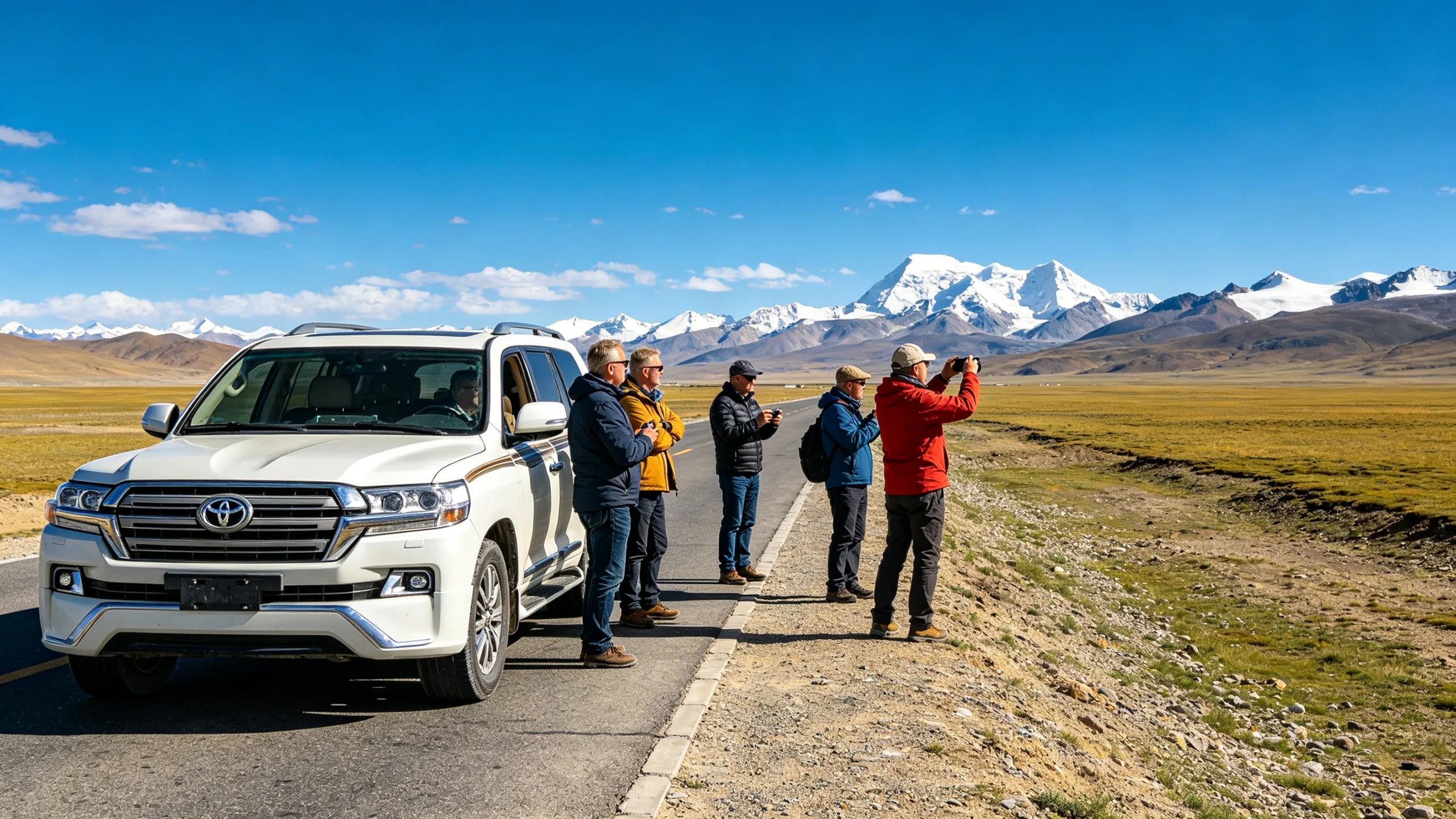
Why is chartering a car more suitable for high-altitude environments?
You can easily acclimatize to the altitude. A flight from Chengdu (500 meters) to 4411 meters takes only one hour, leaving almost no time for your body to adjust. A chartered car allows you to stop anytime along the way: get out, walk around, drink hot water, take deep breaths – these actions help your body adjust.
Adjust your pace according to your physical condition. If someone in your group experiences headaches or nausea after landing, a chartered car can drive more smoothly, and you can even drive to a lower altitude area to rest before continuing. You decide the pace, not the driver.
No luggage burden. Carry your own luggage onto the bus? At 4400 meters, bending over to lift boxes can worsen altitude sickness. The chartered car driver will help you load and unload the vehicle and take you directly to your hotel.
Avoid transfers. Airport buses usually only go to Daocheng County (3700 meters), and you'll need to find another vehicle to Shangri-La Town (another hour). A chartered car goes directly from the airport to your booked hotel in Shangri-La Town, eliminating transfers.
Controllable in-vehicle environment. You can adjust the air conditioning, open the windows for ventilation, and slow down the vehicle.
Language is convenient. You can book an English-speaking tour guide in advance through a travel agency, or at least you don't have to worry about buying the wrong ticket or getting off at the wrong stop.
2. Airport Shuttle Bus
Advantages: Cheap fare (about 35-85 yuan), fixed schedule (usually coordinated with flight arrival time).
Disadvantages: The bus cannot stop midway. If you experience altitude sickness on the bus, you'll have to endure it. The bus may be crowded and poorly ventilated. Departure times may not be punctual to allow you to collect your luggage or use the restroom.
Who is this suitable for: solo backpackers with a very limited budget who are confident in their ability to adapt to high altitudes.
3. Carpooling/Taxi
At the airport exit, local drivers may offer shared rides, costing approximately 100-150 yuan per person to Shangri-La Town.
Potential issues:
You may need to wait for the bus to fill with 3-4 people, which could take 20-40 minutes. Standing and waiting at an altitude of 4400 meters is physically demanding.
Luggage space is limited; it may not be enough if there are many people.
The driver may not stop midway as requested, as he needs to accommodate other passengers.
Language communication may be difficult; the price needs to be agreed upon beforehand (to avoid additional charges upon disembarkation).
Suitable for: Those who don't mind waiting and can negotiate with the driver on the spot.
Foreign driver's licenses are generally not recognized in western Sichuan, and the journey from the airport to the scenic area involves traversing mountain roads at an altitude of over 4,500 meters, with unfamiliar road conditions, the possibility of encountering herds of yaks, and unpredictable weather. Absolutely not recommended.
How many days should I spend at Daocheng Yading Scenic Area?
3 Days: Only suitable for flights with limited time.
If you are arriving at or departing from Daocheng Yading Airport, you can arrange your trip as follows:
Day 1: Arrive in Shangri-La Town, acclimatize, no sightseeing planned.
Day 2: Enter Yading Scenic Area, choose either the short or long route (choose one, don't do both).
Day 3: Return trip.
Honest assessment: This itinerary is quite tight, leaving insufficient time for acclimatization. If you have more flexibility, it is recommended to add an extra day.
4 Days: The Most Recommended Introductory Rhythm
This is the itinerary most first-time visitors to Daocheng Yading should consider:
Day 1: Arrive in Shangri-La Town, complete rest and acclimatization.
Day 2: Yading Short Route (Chonggu Temple + Pearl Lake)
Day 3: Yading Long Route (Luorong Pasture + Milk Lake/Five-Color Lake depending on physical condition)
Day 4: Return trip
Why recommend 4 days? You have a full day for acclimatization, the short and long routes are separated to avoid excessive fatigue, and the return trip isn't too rushed.
5-6 Days: Gradually Entering from Chengdu
If you're starting from Chengdu, it's not recommended to drive directly to Daocheng Yading in one day. A more comfortable approach is to travel in segments:
Day 1: Chengdu → Kangding / Xinduqiao
Day 2: Xinduqiao → Litang → Daocheng / Shangri-La Town
Day 3: Short Yading Route
Day 4: Long Yading Route
Day 5-6: Return trip in segments or continue to other destinations
Advantages of this route: More natural altitude acclimatization, and views of the Sichuan-Tibet Highway, grasslands, Tibetan villages, and the scenery of Litang along the way. Although it takes longer, it's less physically and mentally stressful.
Where is a good place to stay in Daocheng Yading?
Shangri-La Town (also known as Riwa Town) – Highly recommended for first-time visitors
Altitude: Approximately 2900 meters
Advantages: Close to the entrance of Yading Scenic Area (approximately 10-15 minutes drive), with a wide variety of accommodation and dining options, and a relatively low altitude.
Suitable for: Most travelers, especially those visiting high altitudes for the first time.
Daocheng County
Altitude: Approximately 3700 meters
Advantages: Lower altitude than Shangri-La Town (this needs confirmation—Daocheng County's altitude is actually approximately 3700 meters, while Shangri-La Town's is approximately 2900 meters, so Shangri-La Town is lower), suitable as a transitional area.
Disadvantages: Longer driving distance to Yading Scenic Area.
Suitable for: People coming from the Chengdu direction who want to stay overnight in Daocheng County to acclimatize before heading to Shangri-La Town the next day.
Yading Village
Altitude: Approximately 3900 meters
Advantages: Beautiful scenery, accommodation within the scenic area
Disadvantages: Higher altitude, relatively limited accommodation, greater physical stress
Suitable for: People with high-altitude experience who want to save time traveling in and out of the scenic area each day. Not recommended for first-time visitors to high-altitude areas.
High Altitude Travel: Truly Useful Advice
Each of the following points is based on firsthand experience from many travelers, so please pay close attention!
Avoid taking long hot showers on the first day. Hot water dilates blood vessels, which may trigger or worsen altitude sickness.
Do not drink alcohol. Alcohol interferes with the body's adaptation to the low-oxygen environment.
Drink plenty of warm water. The air at high altitudes is dry, and dehydration can worsen headaches.
Avoid strenuous exercise. Walk and speak slowly.
Go to bed early. Sleep quality is usually poor at high altitudes, so try to ensure sufficient rest.
Do not schedule high-intensity hiking on the first day, even if you feel good.
Bring warm clothing. You can experience all four seasons in a single day in Daocheng Yading.
Reduce intensity if you experience significant discomfort. Taking a day off is not a waste; pushing yourself may lead to more serious problems.
Sichuan chartered car travel recommendations
If you are interested in chartering a car for your trip in Sichuan, please contact us and tell us your interests, schedule, and we will customize your itinerary according to your preferences.
Recommended classic chartered car itineraries
Jiuzhaigou Huanglong Tour Aba - 3 Days Private Car
Bipenggou Tour from Chengdu by Private Car
Panda Base Leshan Tour Chengdu Private Day Trip
Frequently Asked Questions
1. How high is the altitude of Daocheng Yading? Will I experience altitude sickness?
Daocheng County: Approx. 3700 meters
Shangri-La Town (Recommended Accommodation): Approx. 2900 meters
Yading Scenic Area Short Route (Pearl Lake): Approx. 4000–4100 meters
Yading Scenic Area Long Route (Milk Lake, Five-Color Lake): Maximum altitude approx. 4700 meters
Most travelers who fly directly from low altitudes experience some degree of altitude sickness, with common symptoms including headache, fatigue, shortness of breath, and restless sleep. However, altitude sickness is not always severe. By ascending slowly, getting plenty of rest, drinking plenty of water, and avoiding strenuous exercise, most people can adapt.
2. Do foreign tourists need special documents to visit Daocheng Yading?
In most areas, this is not required, but you must comply with China's basic entry and exit regulations, such as holding a valid passport and visa (or visa-free entry permit) to enter the country normally, and abide by local laws and regulations during your trip.
3. How are the network and cell phone signals?
4G signal (China Mobile/China Telecom/China Unicom) is available in most areas of Shangri-La Town, Daocheng County, and Yading Scenic Area.
Signal may be weak or nonexistent during long hikes (near Milk Lake and Five-Color Lake).
Recommendation: Download offline maps (such as Gaode or Baidu Maps offline packages) before departure. Inform your family of your itinerary and do not rely entirely on your phone's navigation.
4. What to do if you experience severe altitude sickness?
Stop ascending, rest, and use supplemental oxygen. If you vomit or become disoriented, immediately descend to an altitude below 3000 meters (return to Shangri-La town or lower).
5.What essentials should I bring?
Warm jacket, sunscreen, sunglasses, raincoat, trekking poles, thermos, energy snacks, oxygen cylinder (buy locally).
More to Read


Plan Your Trip
Let us design your perfect China journey
Our trip designers respond within 24 hours with a personalized itinerary and quote.